|
|
|
|
Classic Bikes
Custom Bikes
Individual
Racing Bikes AJP
AJS
Aprilia
Ariel
Avinton / Wakan
Bajaj
Benelli
Beta
Bimota
BMW
Brough Superior
BRP Cam-Am
BSA
Buell / EBR
Bultaco
Cagiva
Campagna
CCM
CF Moto
Combat Motors
Derbi
Deus
Ducati
Excelsior
GASGAS
Ghezzi Brian
Gilera
GIMA
Harley Davidson
Hero
Highland
Honda
Horex
Husaberg
Husqvarna
Hyosung
Indian
Jawa
Kawasaki
KTM
KYMCO
Laverda
Lazareth
Magni
Maico
Mash
Matchless
Mondial
Moto Guzzi
Moto Morini
MV Agusta
MZ / MuZ
NCR
Norton
NSU
Paton
Peugeot
Piaggio
Revival Cycles
Roland Sands
Royal Enfield
Sachs
Sherco
Sunbeam
Suzuki
SWM
SYM
Triumph
TVS
Ural
Velocette
Vespa
Victory
Vincent
VOR
Voxan
Vyrus
Walt Siegl
Walz
Wrenchmonkees
Wunderlich
XTR / Radical
Yamaha
Zero
Video
Technical
Complete Manufacturer List
|
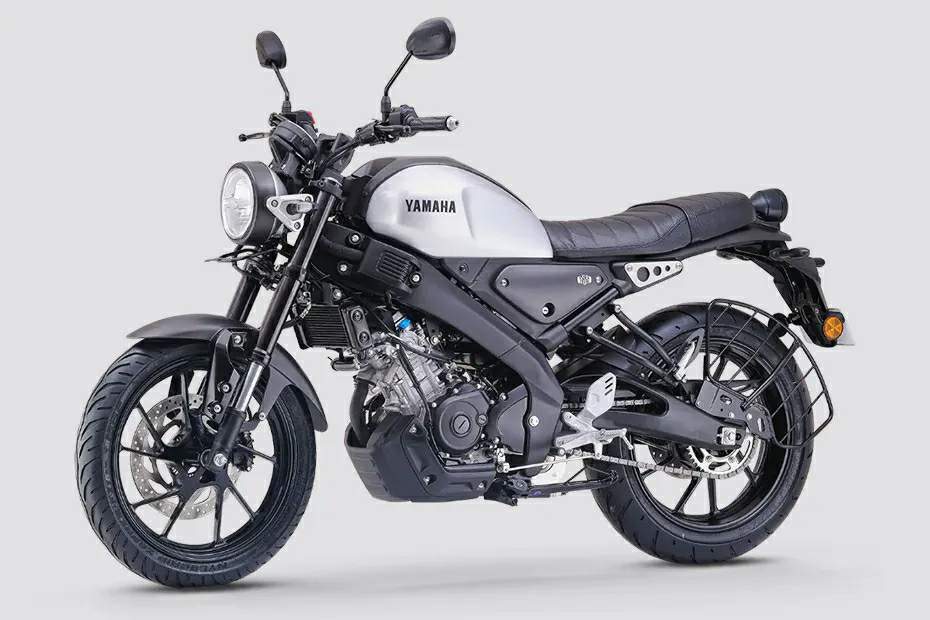
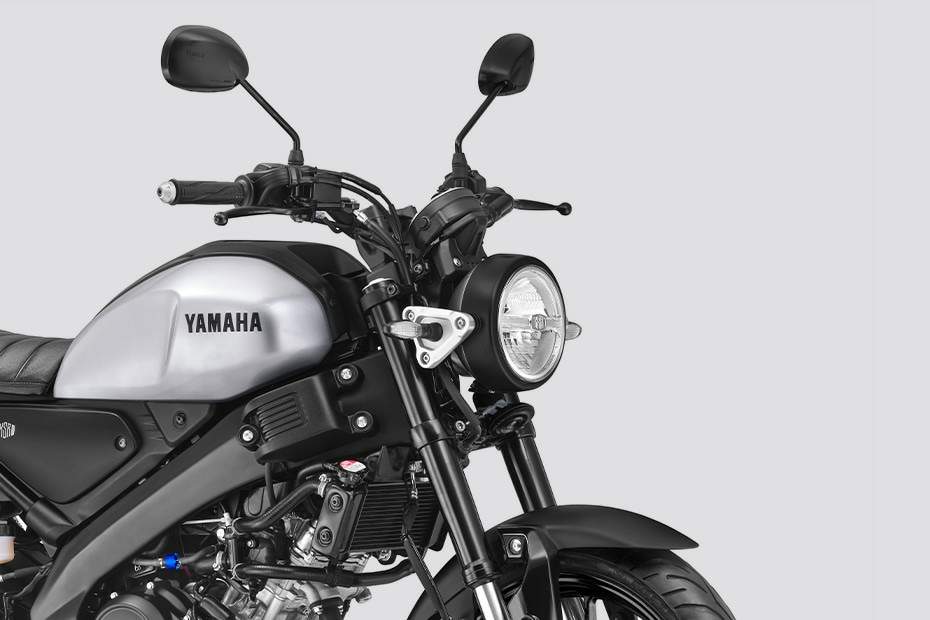
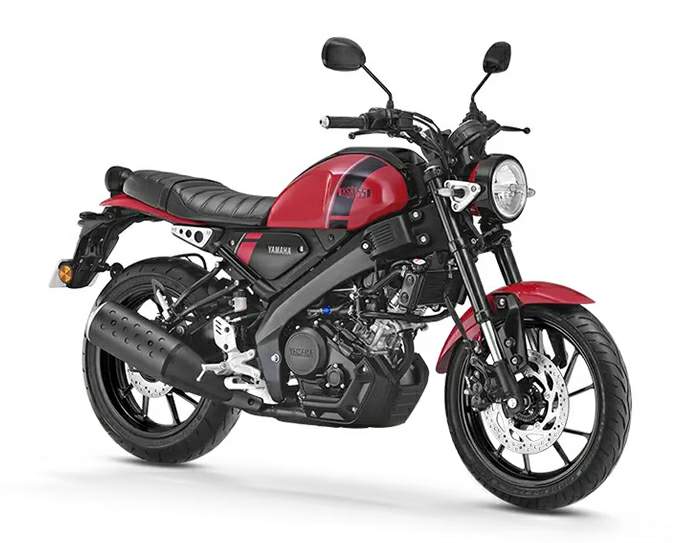
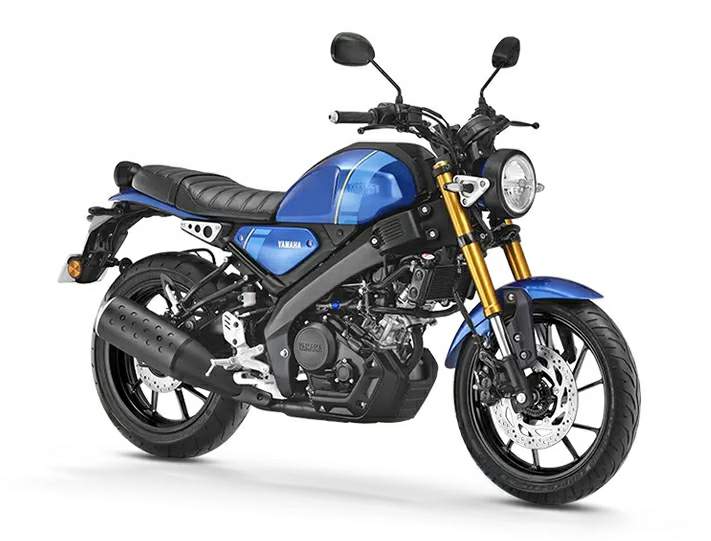
Yamaha XSR 155 ABS
Yamaha is bringing its smallest Sport Heritage roadster to the United States for the 2027 model year. The XSR155, a compact neo-retro single already popular across Asia and newly introduced in Japan, is set to join Yamaha’s U.S. lineup, potentially replacing the long-running V-Star 250 as the brand’s entry-level road-only motorcycle.
Background and positioning It has been on sale in markets such as Indonesia, India, Thailand, and the Philippines for several years (with roots going back to around 2019 in some regions). Yamaha launched a Japan-spec version in June 2026 as the first “kei-ni-rin” (light two-wheeler, roughly 125–250 cc class) model in the XSR series. The 2027 U.S. arrival was confirmed through NHTSA VIN decoder filings that list the XSR155 alongside other Jakarta-built models such as the R3, MT-03, XMAX, and WR125R. Notably, the V-Star 250 is absent from those 2027 documents.
Engine and performance Claimed outputs vary slightly by market: A six-speed gearbox with an Assist & Slipper (A&S) clutch is standard. Real-world performance is described as eager and fun rather than outright fast—capable of comfortable highway speeds in markets where it is allowed, with strong fuel economy often reported in the high 40s to low 50s mpg (or equivalent). Curb weight typically falls between 134–137 kg (295–302 lb), keeping the bike extremely manageable. Chassis, handling, and equipment Ergonomics favor an upright, compact riding position with a relatively low 810 mm (about 31.9 in) seat height, making it approachable for a wide range of riders. Instrumentation is typically a circular LCD display; LED lighting is standard front and rear. Some markets add Bluetooth connectivity for call/SMS alerts and other smartphone features via Yamaha’s Y-Connect app.
Design and character Market context and appeal Exact U.S. pricing, final power figures, and color options had
not been officially announced as of mid-August 2026, but the VIN data confirms
its place in the 2027 lineup. For riders seeking an approachable, characterful
alternative to larger cruisers or more aggressive sport bikes, the 2027 Yamaha
XSR155 looks set to deliver classic style with modern usability in a very light
package.
|
|
|
Any corrections or more information on these motorcycles will be kindly appreciated. |