|
|
|
|
Classic Bikes
Custom Bikes
Individual
Racing Bikes AJP
AJS
Aprilia
Ariel
Avinton / Wakan
Bajaj
Benelli
Beta
Bimota
BMW
Brough Superior
BRP Cam-Am
BSA
Buell / EBR
Bullit
Bultaco
Cagiva
Campagna
CCM
CF Moto
Combat Motors
Derbi
Deus
Ducati
Excelsior
Fantic
GASGAS
Ghezzi Brian
Gilera
GIMA
Harley Davidson
Hero
Highland
Honda
Horex
Husaberg
Husqvarna
Hyosung
Indian
Jawa
Kawasaki
KTM
KYMCO
Laverda
Lazareth
Magni
Maico
Mash
Matchless
Mondial
Moto Guzzi
Moto Morini
MV Agusta
MZ / MuZ
NCR
Norton
NSU
Paton
Peugeot
Piaggio
Revival Cycles
Roland Sands
Royal Enfield
Sachs
Sherco
Sunbeam
Suzuki
SWM
SYM
Triumph
TVS
Ural
Velocette
Vespa
Victory
Vincent
VOR
Voxan
Vyrus
Walt Siegl
Walz
Wrenchmonkees
Wunderlich
XTR / Radical
Yamaha
Zero
Video
Technical
Manufacturer List Contact
|
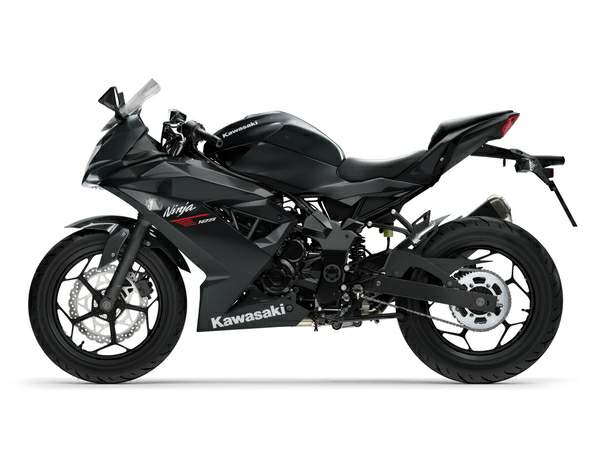
Kawasaki Ninja 125
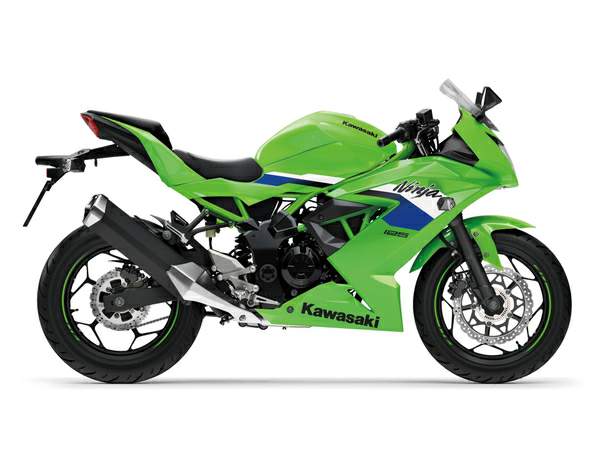
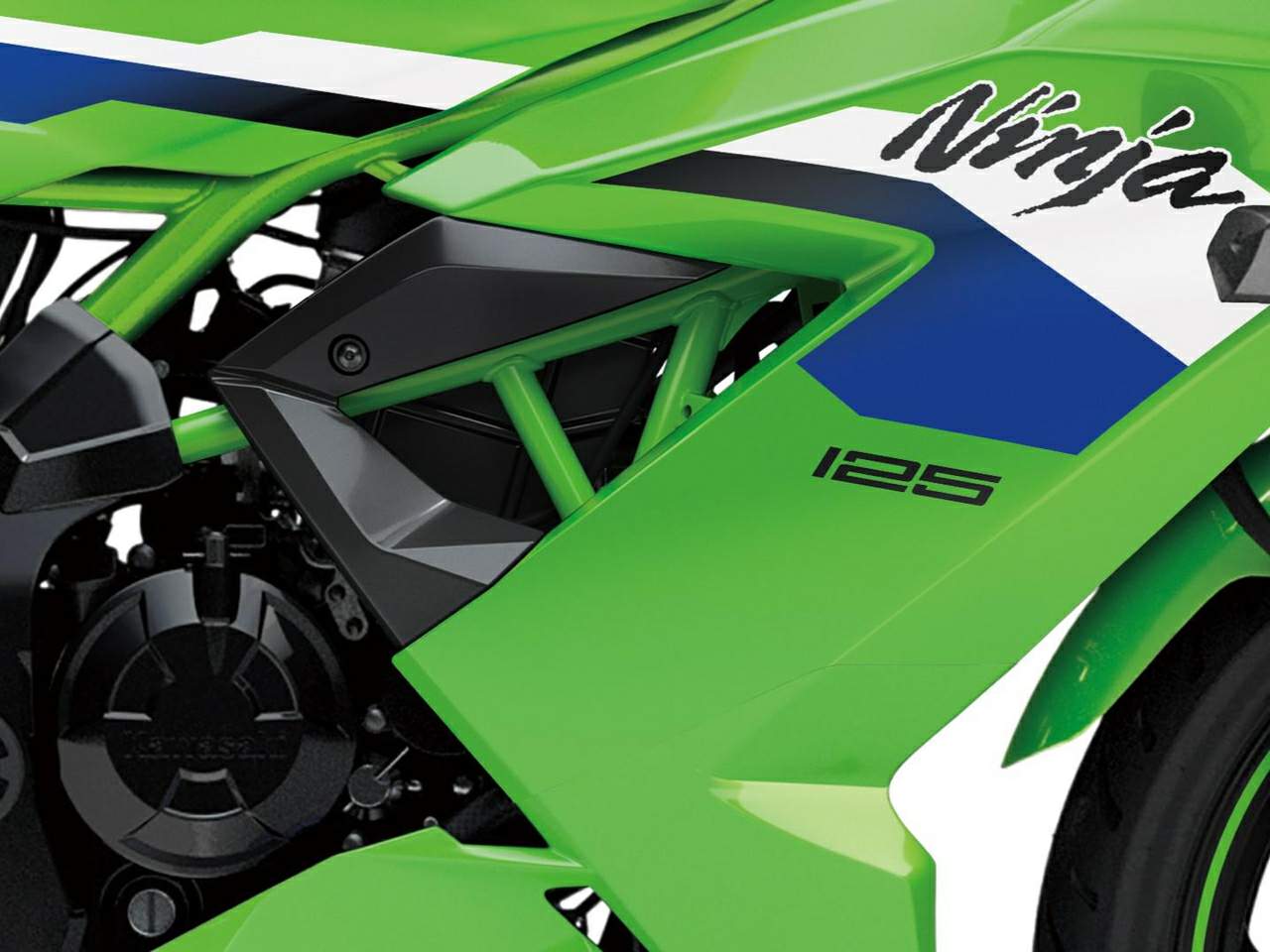
Kawasaki’s Ninja name carries serious heritage in the supersport world, and the European-spec Ninja 125 brings that racing-inspired character down to the accessible 125cc class. As of September 2026, the 2027 model continues the successful full-size formula of recent years with no major mechanical overhaul announced. It remains a proper motorcycle rather than a scaled-down learner bike, sharing its core platform with the Z125 while wearing distinctive full fairing bodywork.
The Ninja 125 is designed as an ideal first step into the Kawasaki Ninja family for A1 licence holders. It combines the presence and engineering quality of larger Ninjas with manageable performance, making it suitable for new riders while still delivering the sharp looks and engaging ride that Ninja fans expect.
Design and Styling
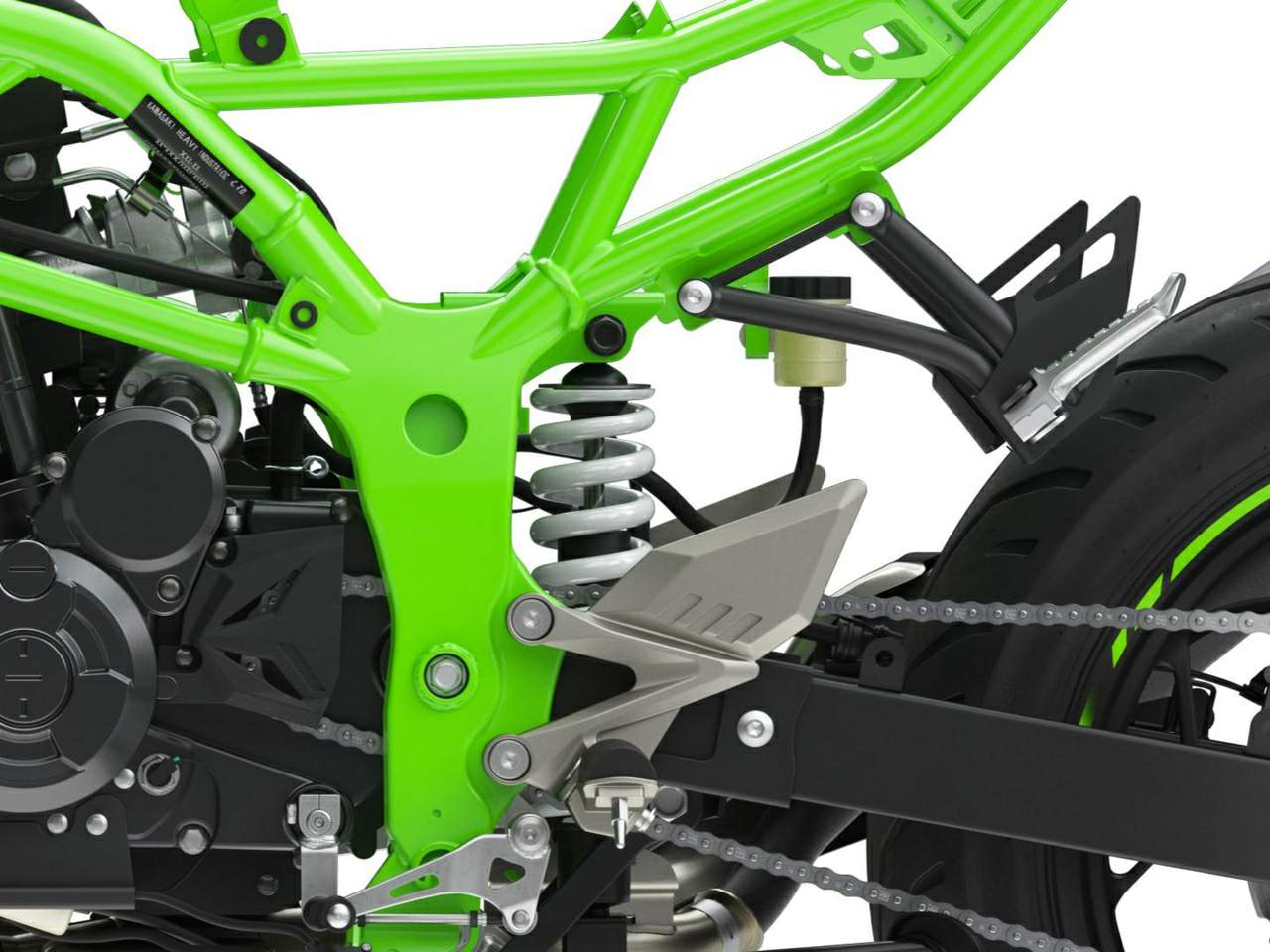
It sits on a tubular steel diamond-type frame similar to that used on higher-end Kawasaki models, contributing to both its visual presence and structural integrity. An optional higher ERGO-FIT seat (approximately +20 mm) is available for taller riders seeking a more comfortable or commanding position.
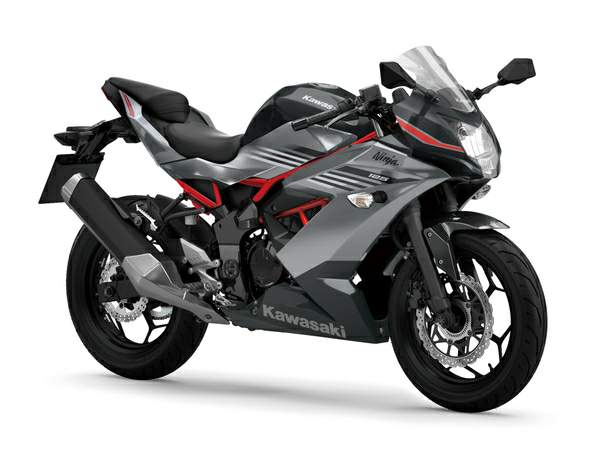
Colour options for 2027 are expected to follow Kawasaki’s usual annual refresh pattern. Previous model years featured schemes such as Lime Green, Metallic Graphite Gray/Metallic Spark Black, and Ebony/Metallic Carbon Gray. Specific 2027 liveries will be confirmed closer to wider availability.
Engine and Performance
The engine is tuned for usable low-to-mid-range flexibility combined with a strong top-end pull, offering the classic Ninja “urge” in a beginner-friendly package. Fuel consumption is excellent at around 2.7 l/100 km, with CO₂ emissions of approximately 61 g/km (Euro 5+ compliant). The 11-litre tank supports a practical range of over 400 km under ideal conditions.
Chassis, Suspension and Brakes
This setup delivers light, nimble handling ideal for learning, combined with enough composure for more confident riders on twisty roads or in urban traffic.
The supersport-inspired riding position is more
committed than the upright Z125, with a lower handlebar and
sportier ergonomics, yet it remains accessible for newer riders.
A fully digital instrument panel provides clear information.
|
|
|
Any corrections or more information on these motorcycles will be kindly appreciated. |