|
|
|
|
Classic Bikes
Custom Bikes
Individual
Racing Bikes AJP
AJS
Aprilia
Ariel
Avinton / Wakan
Bajaj
Benelli
Beta
Bimota
BMW
Brough Superior
BRP Cam-Am
BSA
Buell / EBR
Bullit
Bultaco
Cagiva
Campagna
CCM
CF Moto
Combat Motors
Derbi
Deus
Ducati
Excelsior
Fantic
GASGAS
Ghezzi Brian
Gilera
GIMA
Harley Davidson
Hero
Highland
Honda
Horex
Husaberg
Husqvarna
Hyosung
Indian
Jawa
Kawasaki
KTM
KYMCO
Laverda
Lazareth
Magni
Maico
Mash
Matchless
Mondial
Moto Guzzi
Moto Morini
MV Agusta
MZ / MuZ
NCR
Norton
NSU
Paton
Peugeot
Piaggio
Revival Cycles
Roland Sands
Royal Enfield
Sachs
Sherco
Sunbeam
Suzuki
SWM
SYM
Triumph
TVS
Ural
Velocette
Vespa
Victory
Vincent
VOR
Voxan
Vyrus
Walt Siegl
Walz
Wrenchmonkees
Wunderlich
XTR / Radical
Yamaha
Zero
Video
Technical
Manufacturer List Contact
|
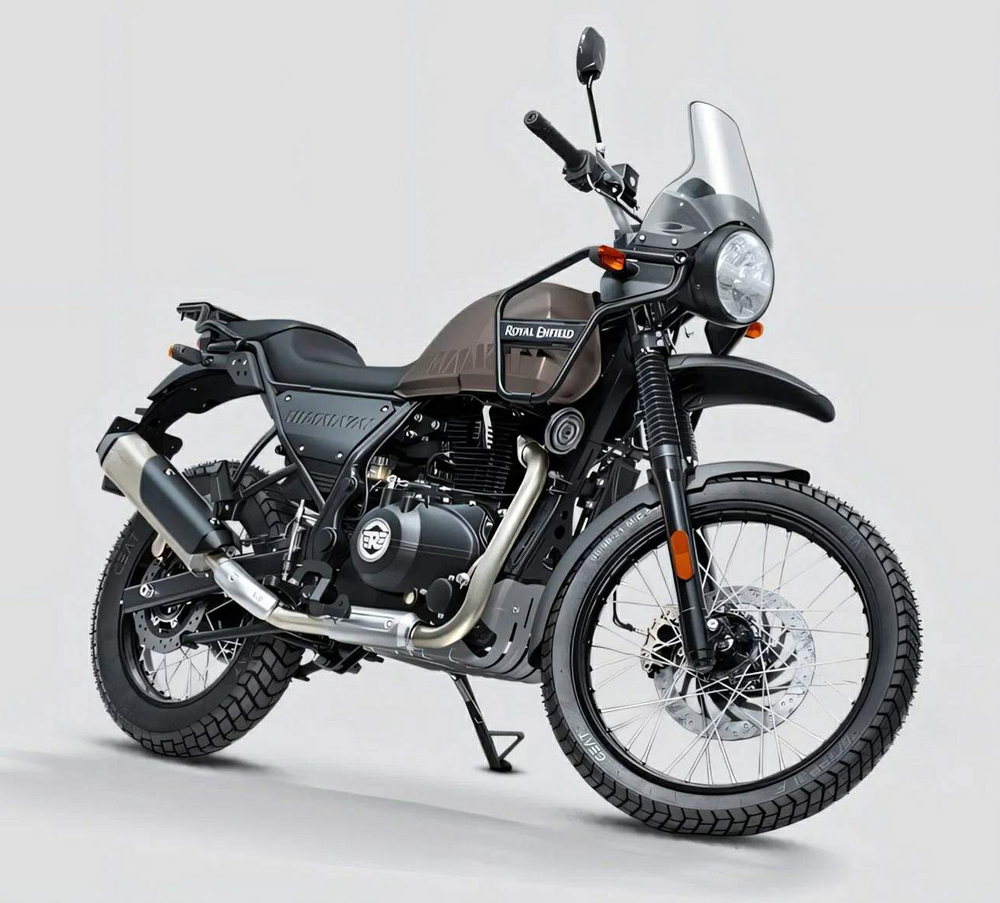
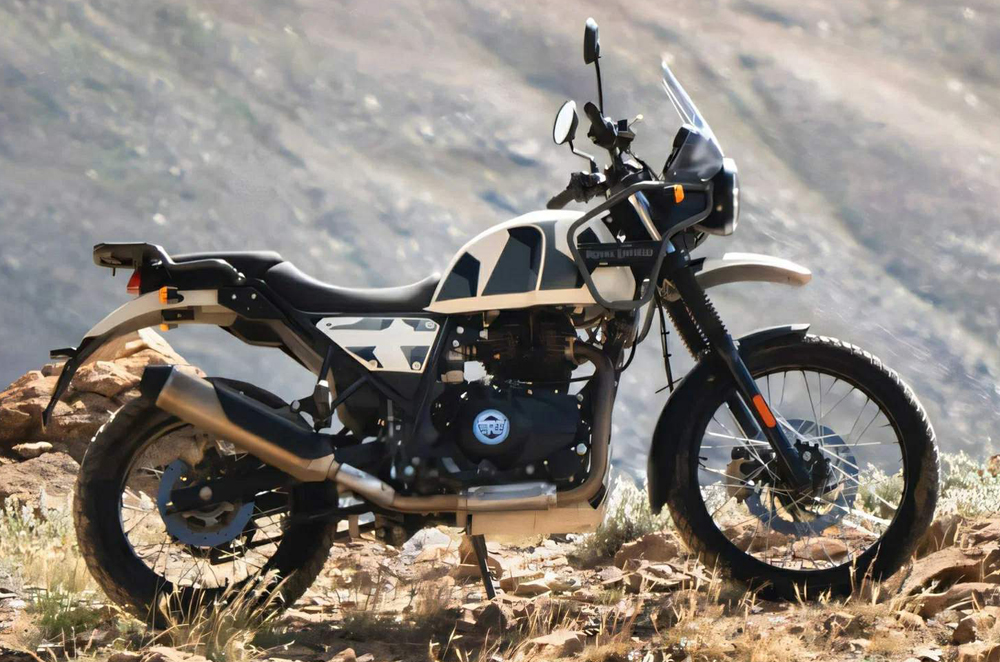
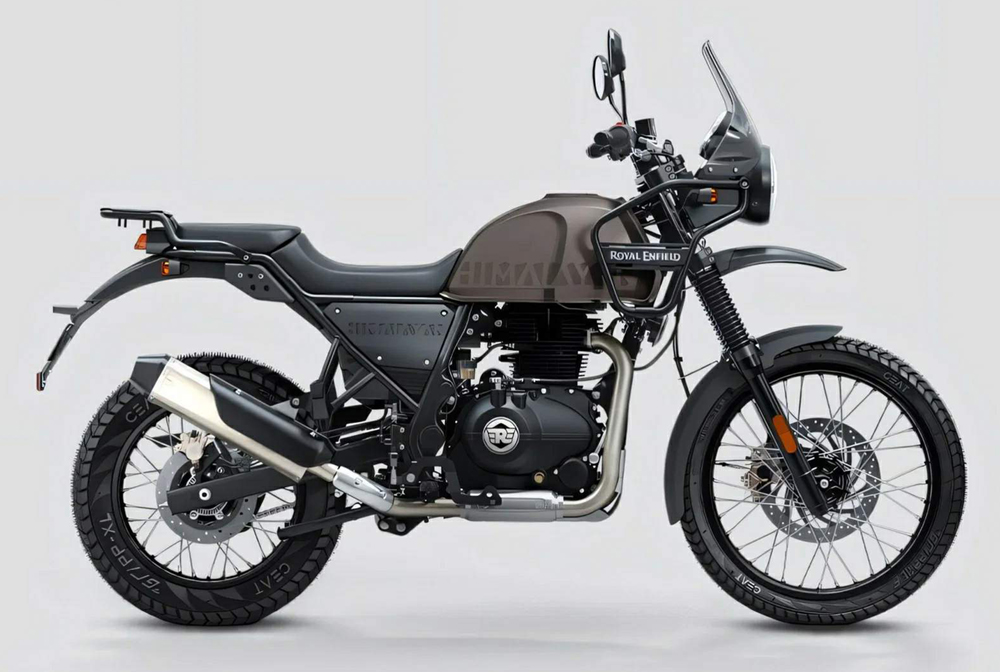
Royal Enfield Himalayan 440
Royal Enfield has revived the spirit of its original adventure motorcycle with the Himalayan 440, launched in India in early September 2026 to mark a decade of the Himalayan nameplate. Positioned as a simpler, more affordable alternative to the liquid-cooled Himalayan 450, this model draws heavily on the character of the discontinued Himalayan 411 while incorporating meaningful updates in engine, gearbox, and chassis. It slots into the lineup as an entry-level ADV focused on approachability, low-end usability, and rugged practicality rather than high-tech performance.
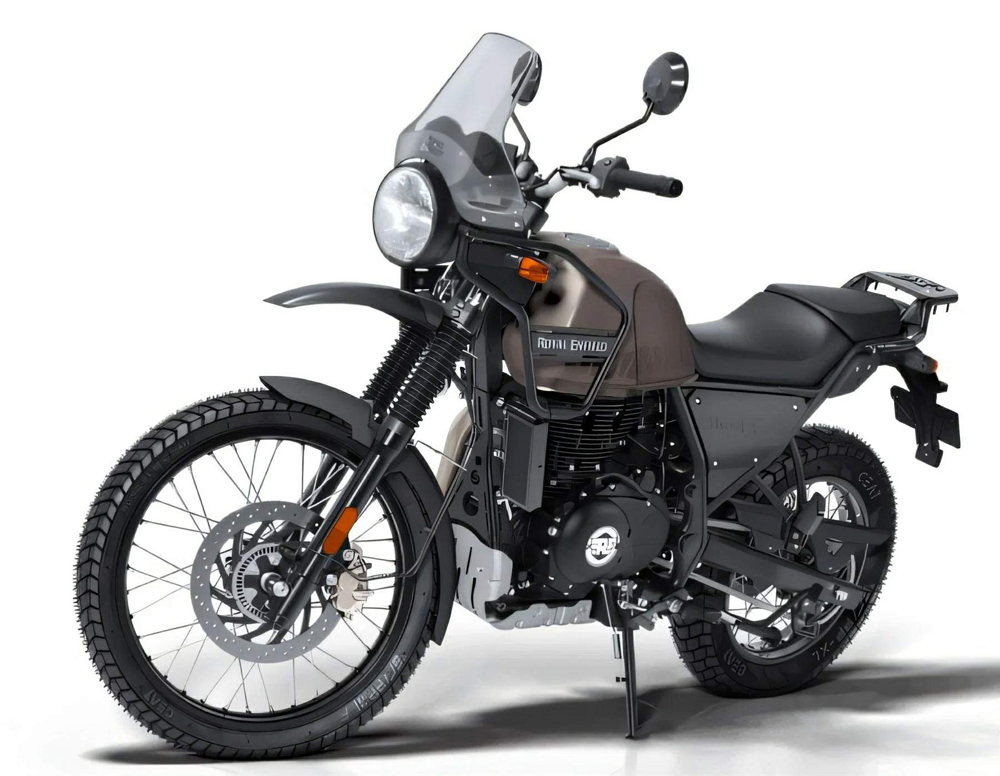
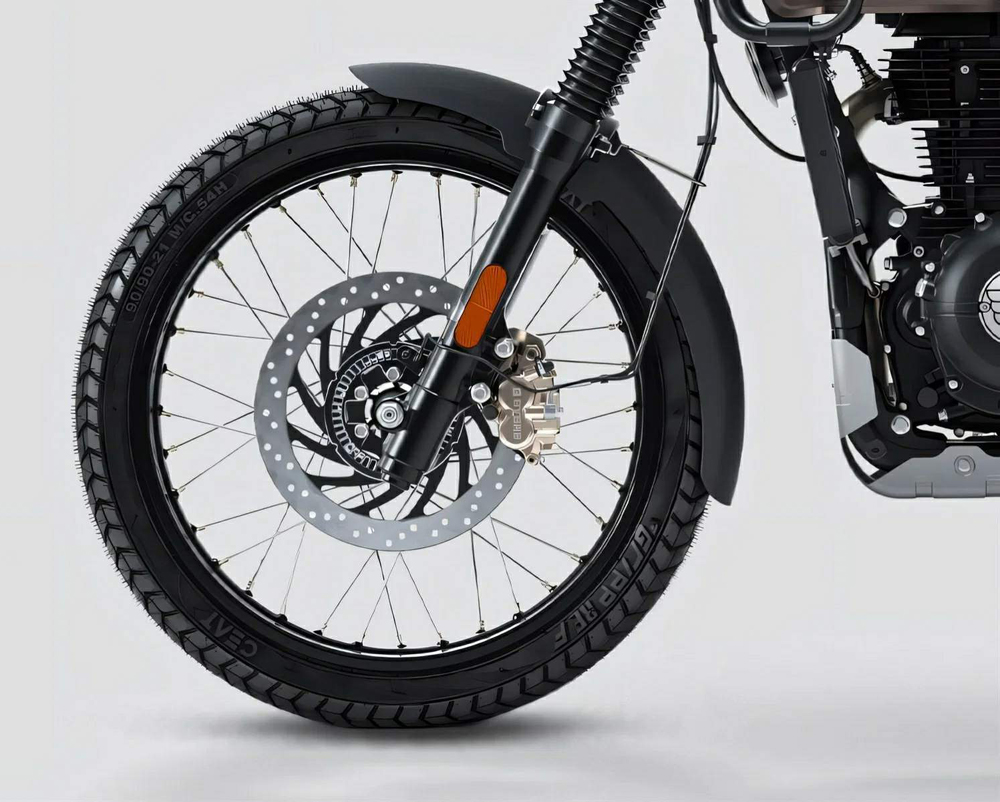
Design and Positioning Seat height is a fixed 800 mm (about 31.5 inches), notably lower and more accessible than the adjustable setup on the Himalayan 450. Ground clearance measures 220 mm, and the fuel tank holds 15 litres. Kerb weight is listed at around 199 kg. The bike rides on 21-inch front and 17-inch rear spoked wheels with tube-type tyres (typically 90/90-21 front and 120/90-17 rear), prioritising off-road capability over the more road-oriented setup of the related Scram 440.
Engine and Performance A six-speed gearbox replaces the five-speed unit of the old Himalayan. Ratios are tuned for easier low-speed control and more relaxed highway cruising in top gear. The engine uses electronic fuel injection and a wet multi-plate clutch. Expected real-world fuel efficiency sits in the low-to-mid 30 km/l range depending on conditions.
Braking hardware includes a 300 mm front disc with a two-piston floating caliper and a 240 mm rear disc, paired with dual-channel ABS that allows the rear ABS to be switched off for off-road use.
Features and Equipment
Who It’s For
|
|
|
Any corrections or more information on these motorcycles will be kindly appreciated. |

 Chassis,
Suspension, and Brakes
Chassis,
Suspension, and Brakes