|
|
|
|
Classic Bikes
Custom Bikes
Individual
Racing Bikes AJP
AJS
Aprilia
Ariel
Avinton / Wakan
Bajaj
Benelli
Beta
Bimota
BMW
Brough Superior
BRP Cam-Am
BSA
Buell / EBR
Bullit
Bultaco
Cagiva
Campagna
CCM
CF Moto
Combat Motors
Derbi
Deus
Ducati
Excelsior
Fantic
GASGAS
Ghezzi Brian
Gilera
GIMA
Harley Davidson
Hero
Highland
Honda
Horex
Husaberg
Husqvarna
Hyosung
Indian
Jawa
Kawasaki
KTM
KYMCO
Laverda
Lazareth
Magni
Maico
Mash
Matchless
Mondial
Moto Guzzi
Moto Morini
MV Agusta
MZ / MuZ
NCR
Norton
NSU
Paton
Peugeot
Piaggio
Revival Cycles
Roland Sands
Royal Enfield
Sachs
Sherco
Sunbeam
Suzuki
SWM
SYM
Triumph
TVS
Ural
Velocette
Vespa
Victory
Vincent
VOR
Voxan
Vyrus
Walt Siegl
Walz
Wrenchmonkees
Wunderlich
XTR / Radical
Yamaha
Zero
Video
Technical
Manufacturer List Contact
|
Royal Enfield Flying Flea
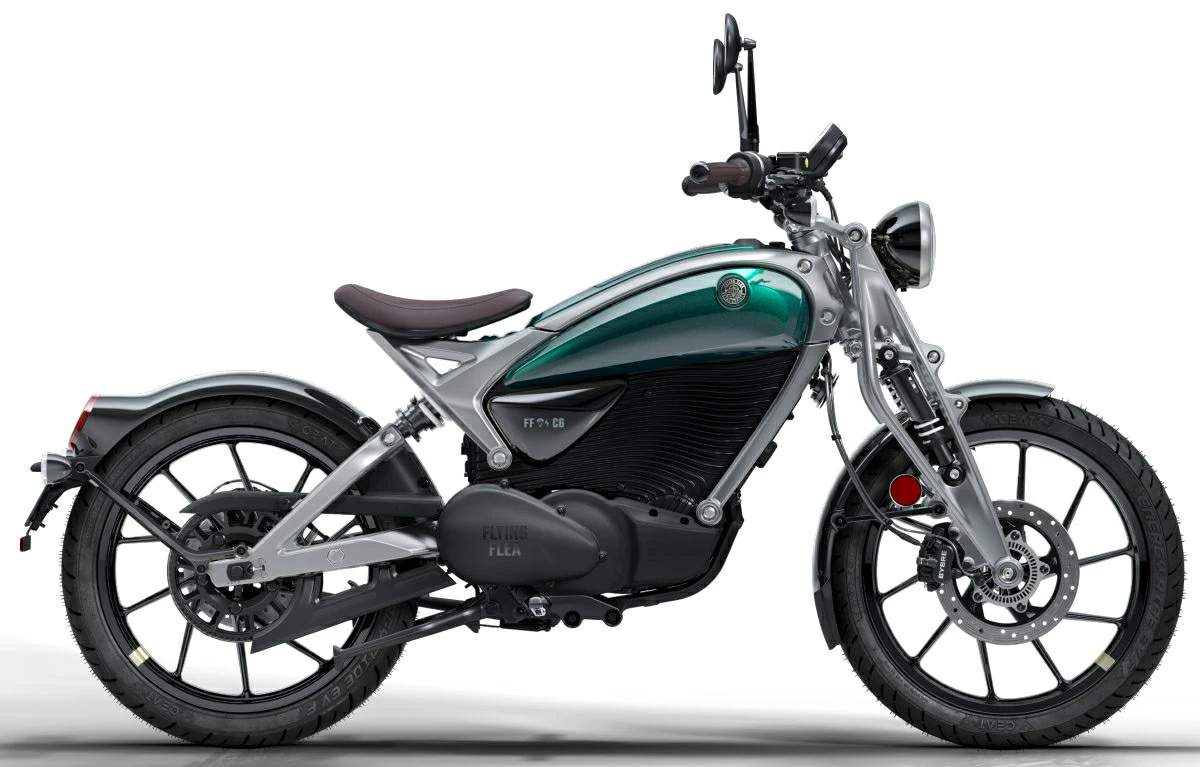
Royal Enfield has long drawn on its rich heritage for modern motorcycles, but the 2026 Flying Flea C6 marks a bold new chapter. It is the company’s first production electric motorcycle, launched under the dedicated Flying Flea sub-brand. Inspired by the legendary WWII-era WD/RE “Flying Flea” — a lightweight 125cc two-stroke designed to be parachuted into combat zones — the C6 reinterprets that spirit of agility, simplicity, and capability for today’s urban and peri-urban riders. Unveiled conceptually at EICMA 2024 and launched in India in April 2026 (initially in Bengaluru), the C6 expanded to Europe and the UK in September 2026, with deliveries starting in October. It is positioned as a “City+” machine: primarily for commuting but capable of venturing beyond city limits.
Design and Heritage
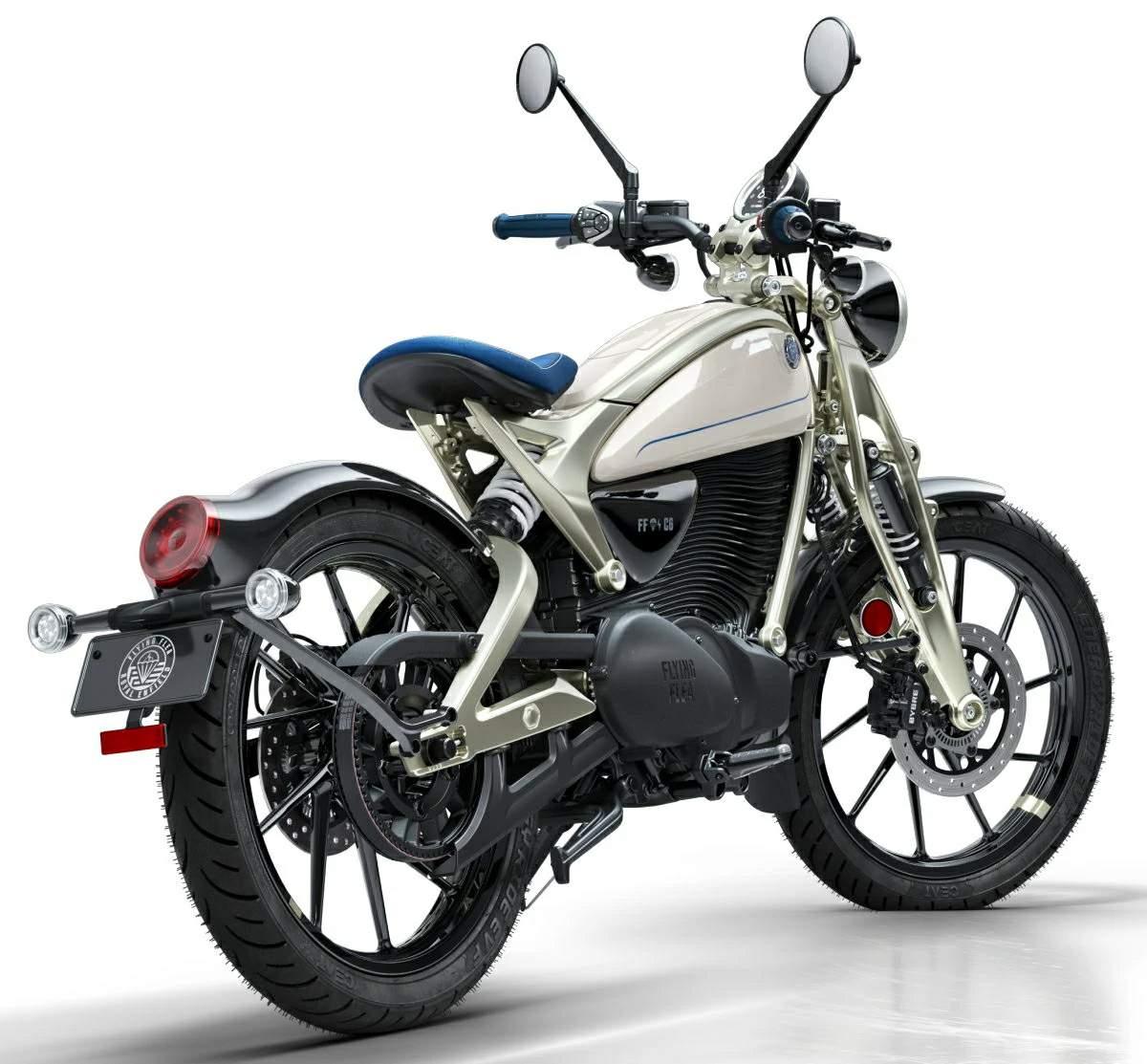
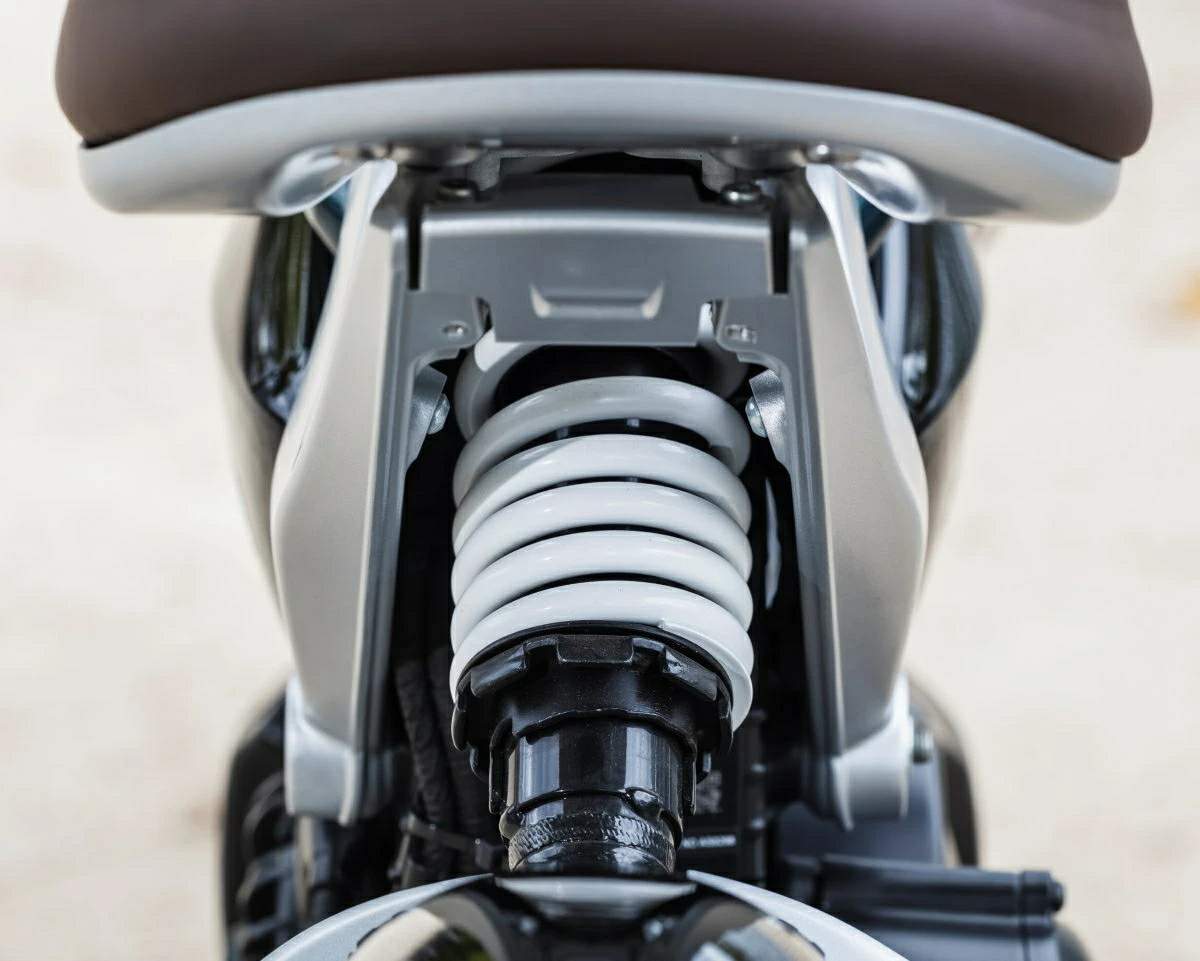
The modern C6 captures that essence with neo-retro styling.
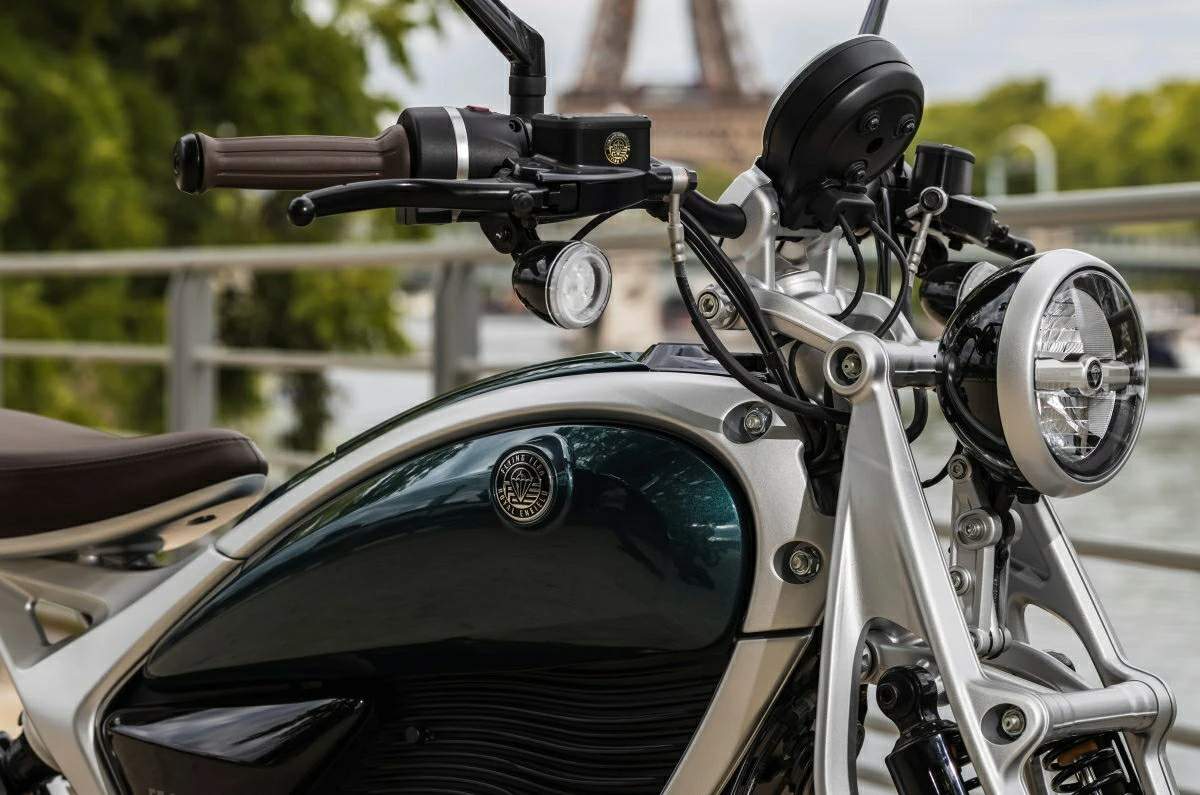
Standout features include a precision-forged aluminium
girder-style front fork (a modern hydraulic twin-suspension
evolution of the original’s design), an exposed forged aluminium
frame/exoskeleton reminiscent of the wartime drop cage, a
teardrop faux tank, round LED headlight with integrated
indicators, and a minimalist silhouette. The magnesium-alloy
battery casing with cooling fins adds both function and visual
interest. It rolls on 19-inch alloy wheels with narrow 90/90-19
tubeless tyres for lightness and efficiency. Colours include
Flea Green (the signature shade nodding to military roots),
Storm Black, and the newer Parachute White.
Powertrain, Performance and Range Charging uses an onboard charger (up to 2.2 kW) via a standard 16A wall outlet. 20–80% takes about 65 minutes; a full 0–100% charge takes roughly 2 hours 16 minutes under ideal conditions. The battery is not removable. Five riding modes are available: Rain, City, Highway, Sport, and Custom (allowing adjustment of throttle response, power, traction control, and regen). Lean-angle-sensitive dual-channel ABS (with adjustable sensitivity and switchable rear) plus traction control enhance safety.
Chassis, Riding Experience and Features
Reviewers praise the C6’s handling: featherweight agility,
precise steering, and surprising fun on twisty roads or hills,
far beyond pure city duties. Build quality is highlighted as
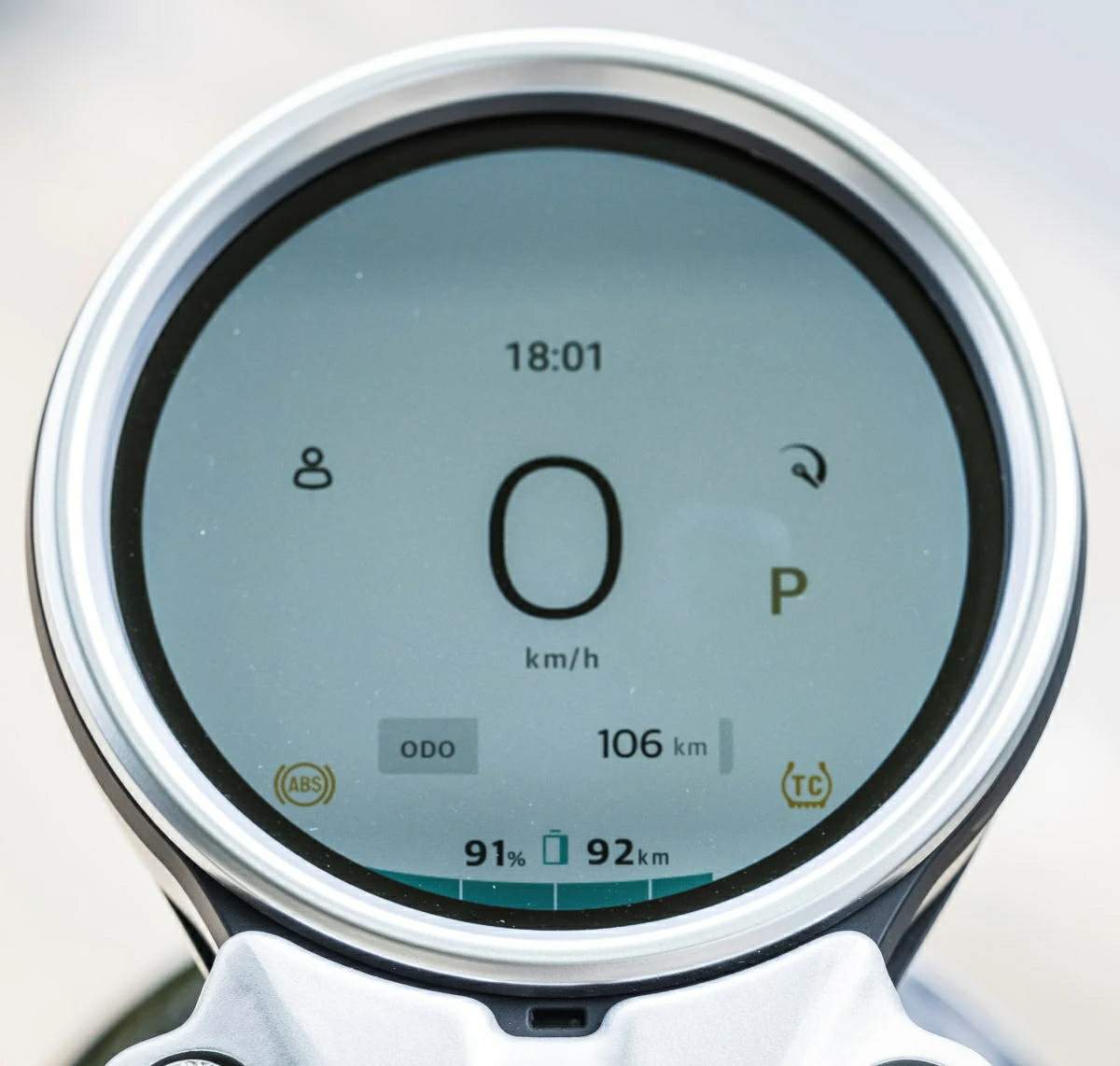
premium, with a solid, rattle-free feel. A 3.5-inch circular
colour TFT display offers connectivity (Bluetooth, navigation,
call/SMS alerts, ride telemetry), a 15W wireless phone charger,
electronic handlebar lock, and safety features like tip-over
alerts and location sharing. An optional removable pillion seat
is available. 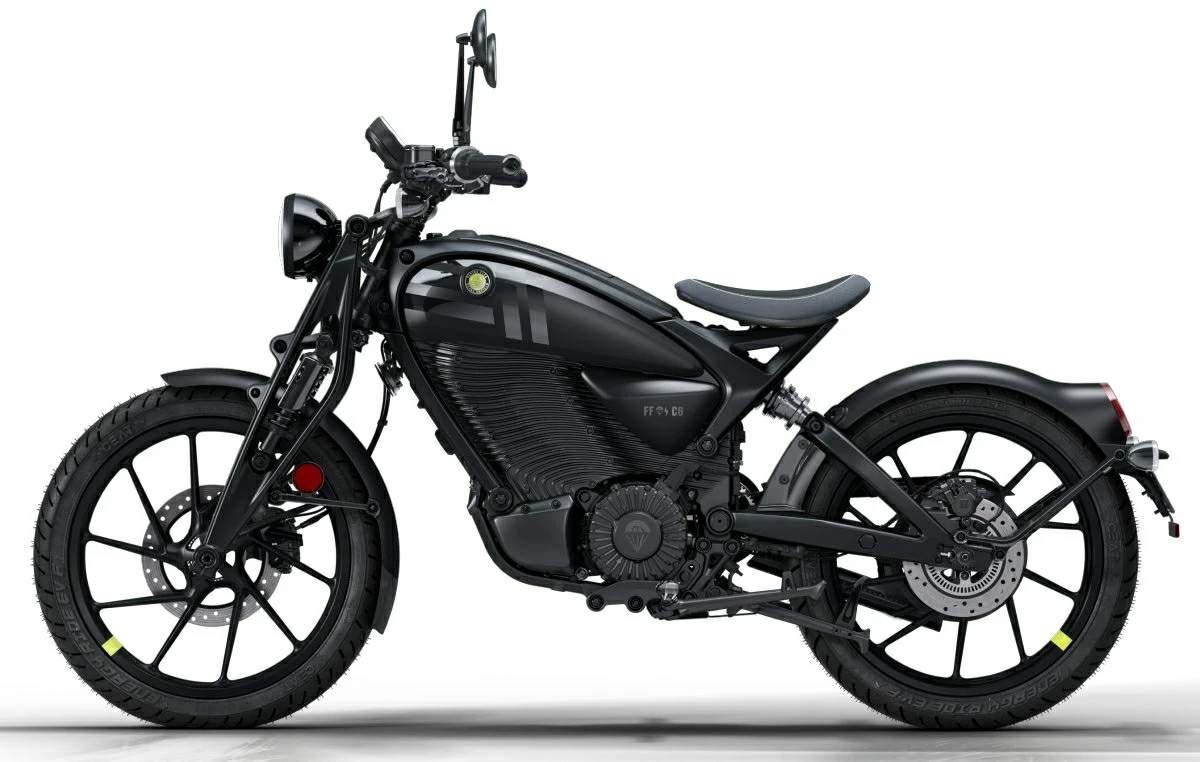
|
|
|
Any corrections or more information on these motorcycles will be kindly appreciated. |