|
|
|
|
Classic Bikes
Custom Bikes
Individual
Racing Bikes AJP
AJS
Aprilia
Ariel
Avinton / Wakan
Bajaj
Benelli
Beta
Bimota
BMW
Brough Superior
BRP Cam-Am
BSA
Buell / EBR
Bullit
Bultaco
Cagiva
Campagna
CCM
CF Moto
Combat Motors
Derbi
Deus
Ducati
Excelsior
Fantic
GASGAS
Ghezzi Brian
Gilera
GIMA
Harley Davidson
Hero
Highland
Honda
Horex
Husaberg
Husqvarna
Hyosung
Indian
Jawa
Kawasaki
KTM
KYMCO
Laverda
Lazareth
Magni
Maico
Mash
Matchless
Mondial
Moto Guzzi
Moto Morini
MV Agusta
MZ / MuZ
NCR
Norton
NSU
Paton
Peugeot
Piaggio
Revival Cycles
Roland Sands
Royal Enfield
Sachs
Sherco
Sunbeam
Suzuki
SWM
SYM
Triumph
TVS
Ural
Velocette
Vespa
Victory
Vincent
VOR
Voxan
Vyrus
Walt Siegl
Walz
Wrenchmonkees
Wunderlich
XTR / Radical
Yamaha
Zero
Video
Technical
Manufacturer List Contact
|
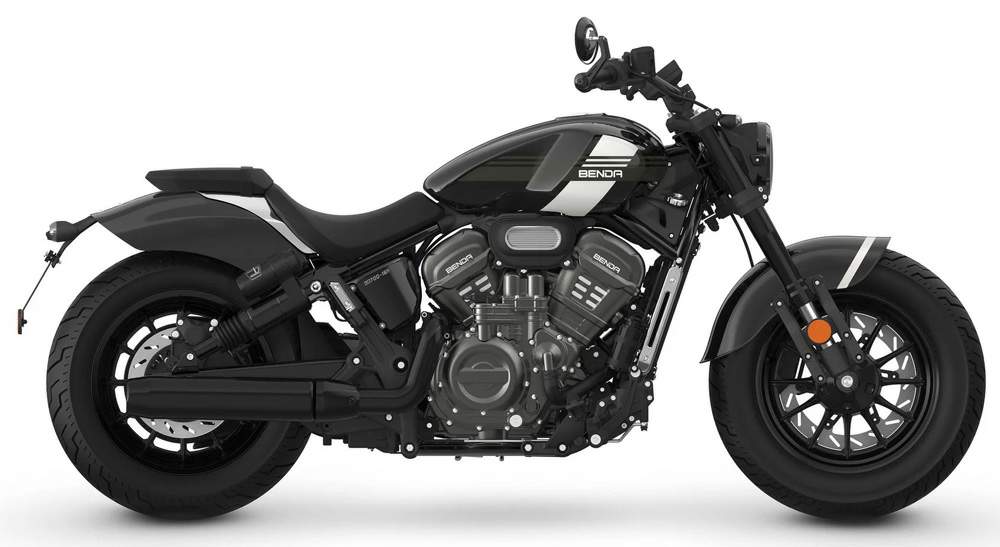
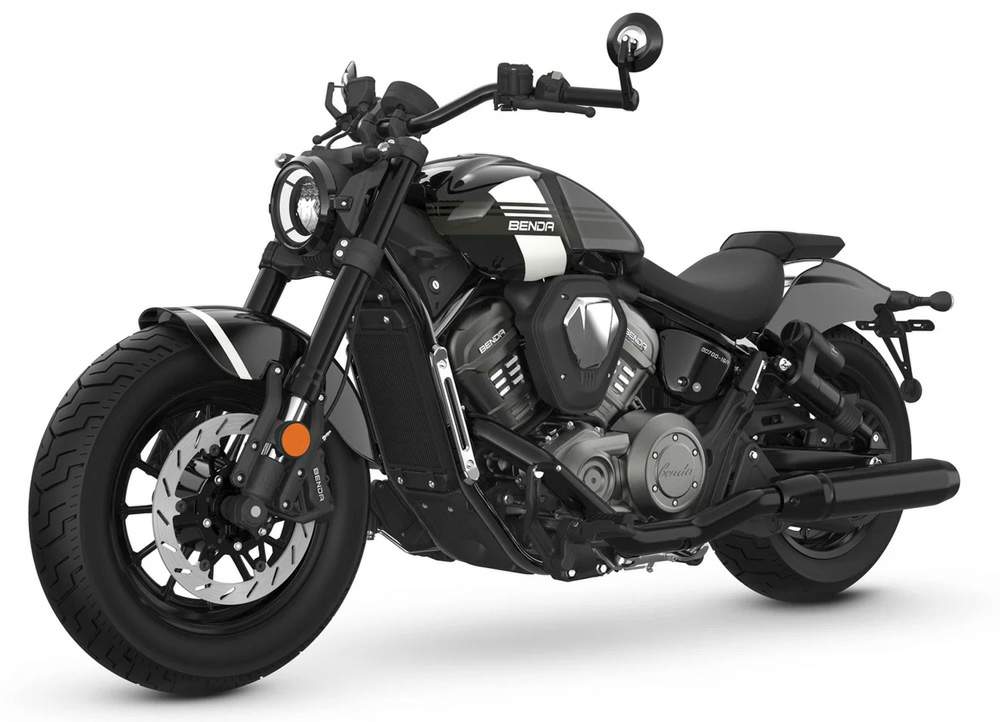
Benda Rock 707
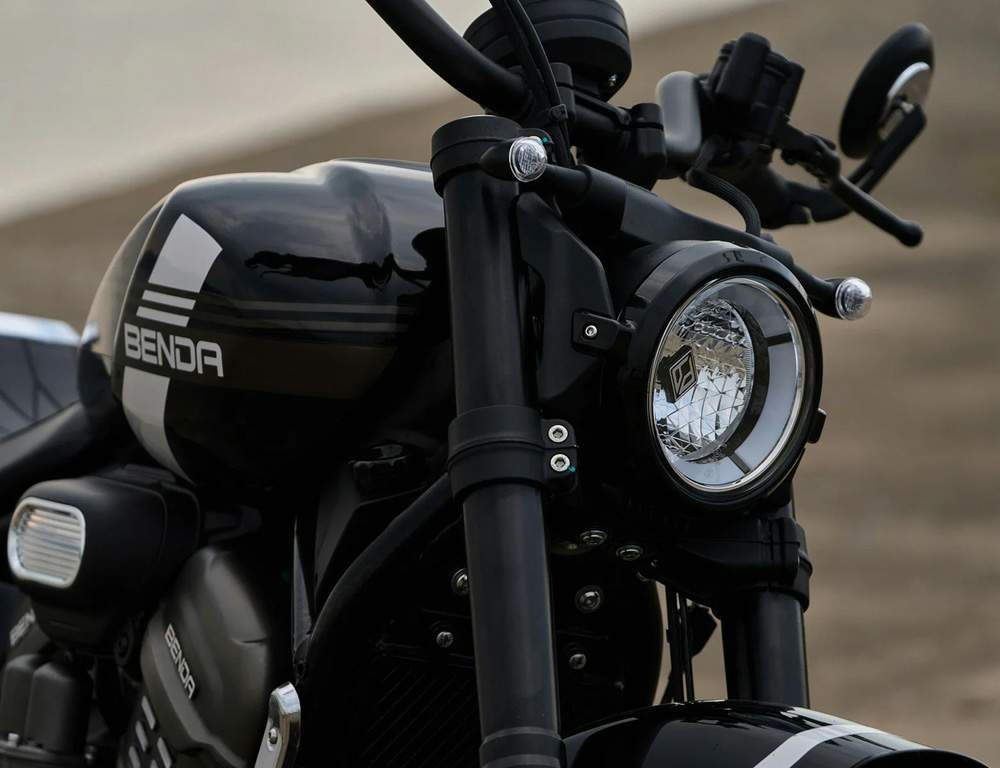
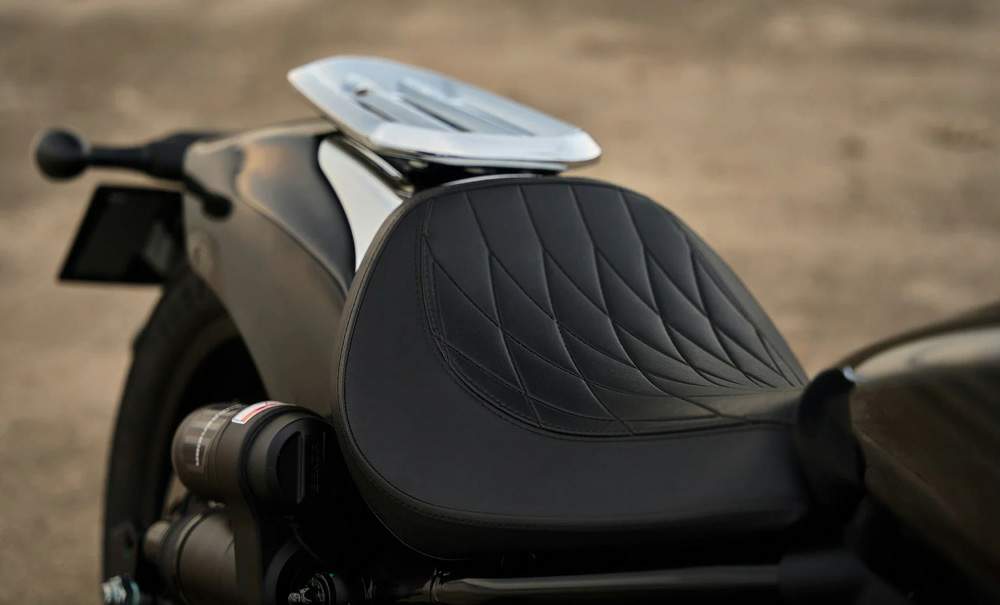
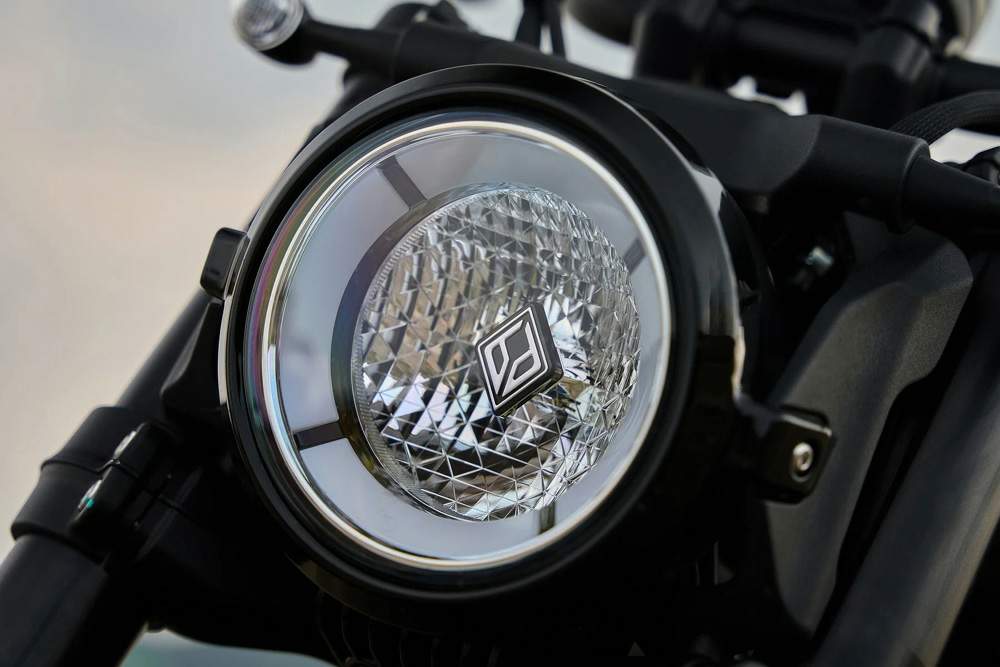
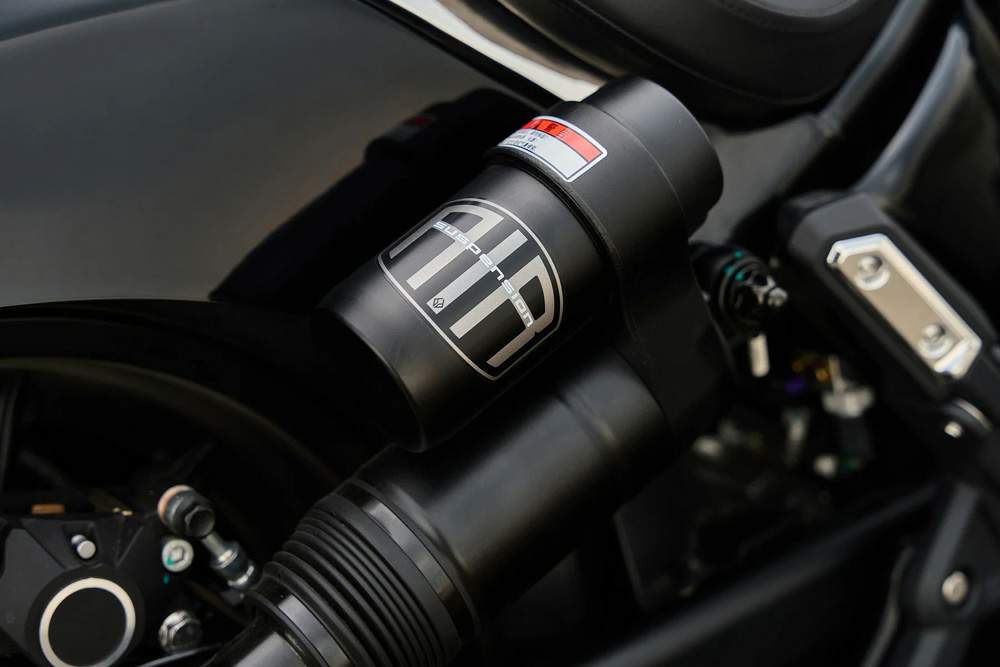
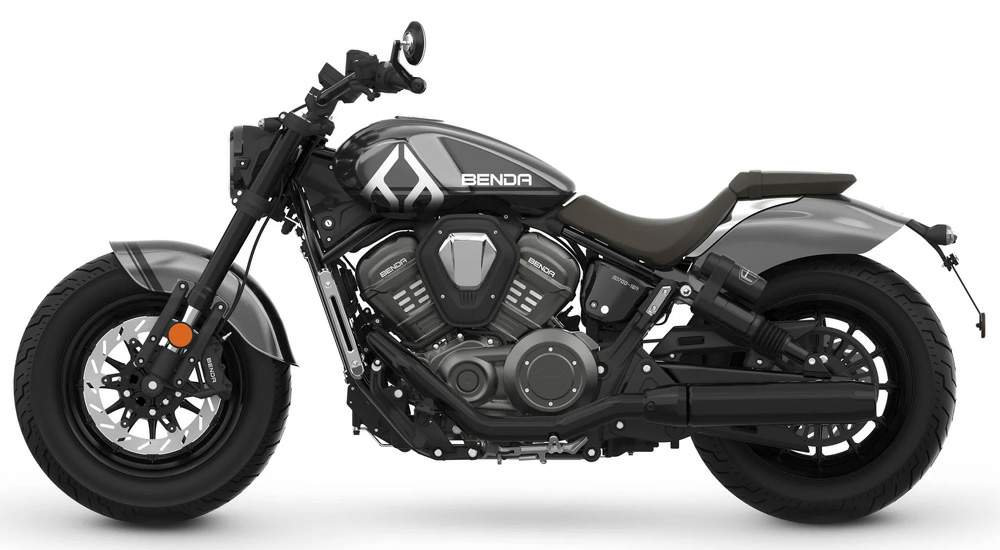
The 2027 Benda Rock 707 is a mid-size V-twin cruiser that stands out for its rider-friendly technology, including an electronic clutch and adaptive air suspension that automatically lowers the seat at a stop. Chinese manufacturer Benda positions it as an accessible, tech-enhanced alternative in the cruiser segment, combining classic low-slung styling with modern convenience features at a competitive European price.
Background The bike targets riders seeking traditional cruiser proportions and character without the usual drawbacks of high seat height or constant clutch use. It sits in the middleweight class, bridging smaller A2-friendly models and larger, heavier cruisers. Its standout features—electronic clutch and height-adjusting rear air suspension—aim to make it more approachable for shorter riders, beginners, and everyday use in traffic. Design and Ergonomics Forward controls and a relaxed riding position support the cruiser ethos. A pillion option is available depending on configuration.
Engine and Performance Benda tuned the engine for strong low- and mid-range torque rather than pure top-end power, making it suitable for relaxed cruising and responsive city riding. Power goes through a six-speed gearbox and belt final drive. Claimed top speed is around 180 km/h, with fuel consumption of about 5.3 L/100 km and a theoretical range exceeding 250 km. It meets Euro 5+ emissions standards (CO₂ around 125 g/km). Standout Technology: Electronic Clutch and Air Suspension Two features set the Rock 707 apart:
Chassis, Brakes, and Electronics Standard equipment includes: The Rock 707 suits riders who want classic cruiser looks and V-twin character but appreciate modern aids that reduce the physical demands of low-speed manoeuvring and shifting. The electronic clutch and lowering suspension make it particularly approachable for shorter or less experienced riders, while the power delivery and belt drive suit relaxed touring or commuting. Potential considerations include the mid-range power level (not a high-performance power cruiser), weight in the 230 kg class, and Benda’s still-maturing dealer and service network in some markets. In summary, the 2027 Benda Rock 707 differentiates itself
through practical technology packaged in traditional cruiser form at an
accessible price. It represents Benda’s push to offer feature-rich alternatives
in a segment often defined more by tradition than innovation.
|
|
|
Any corrections or more information on these motorcycles will be kindly appreciated. |