|
|
|
|
Classic Bikes
Custom Bikes
Individual
Racing Bikes AJP
AJS
Aprilia
Ariel
Avinton / Wakan
Bajaj
Benelli
Beta
Bimota
BMW
Brough Superior
BRP Cam-Am
BSA
Buell / EBR
Bullit
Bultaco
Cagiva
Campagna
CCM
CF Moto
Combat Motors
Derbi
Deus
Ducati
Excelsior
Fantic
GASGAS
Ghezzi Brian
Gilera
GIMA
Harley Davidson
Hero
Highland
Honda
Horex
Husaberg
Husqvarna
Hyosung
Indian
Jawa
Kawasaki
KTM
KYMCO
Laverda
Lazareth
Magni
Maico
Mash
Matchless
Mondial
Moto Guzzi
Moto Morini
MV Agusta
MZ / MuZ
NCR
Norton
NSU
Paton
Peugeot
Piaggio
Revival Cycles
Roland Sands
Royal Enfield
Sachs
Sherco
Sunbeam
Suzuki
SWM
SYM
Triumph
TVS
Ural
Velocette
Vespa
Victory
Vincent
VOR
Voxan
Vyrus
Walt Siegl
Walz
Wrenchmonkees
Wunderlich
XTR / Radical
Yamaha
Zero
Video
Technical
Manufacturer List Contact
|
Honda CB 1000R
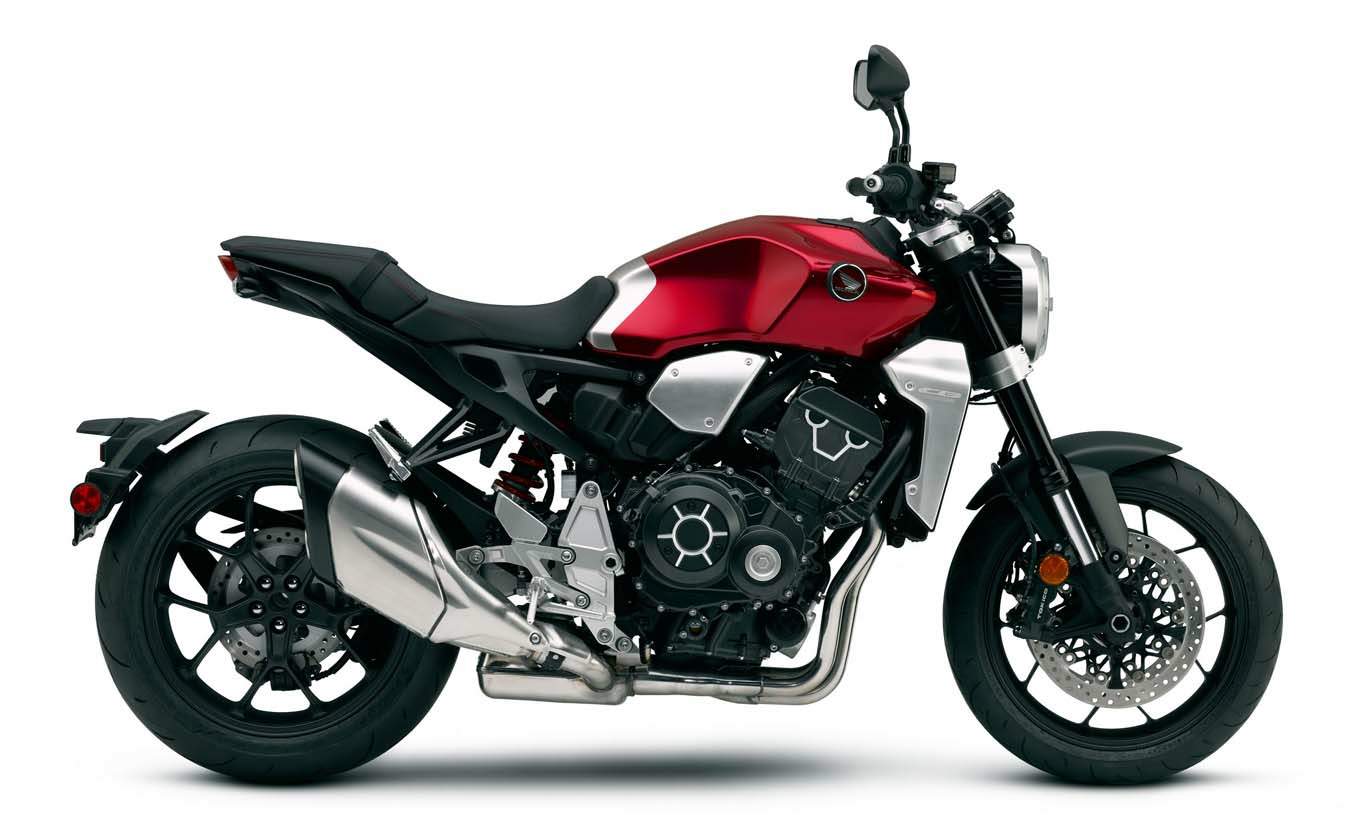
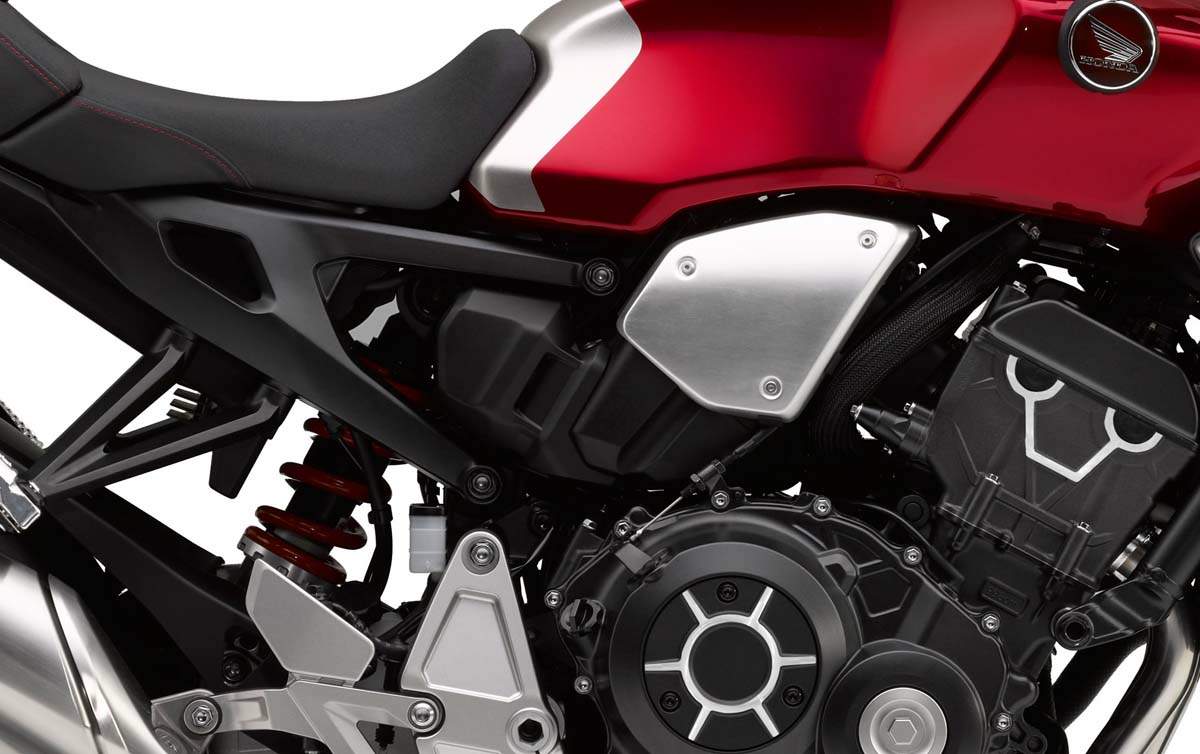
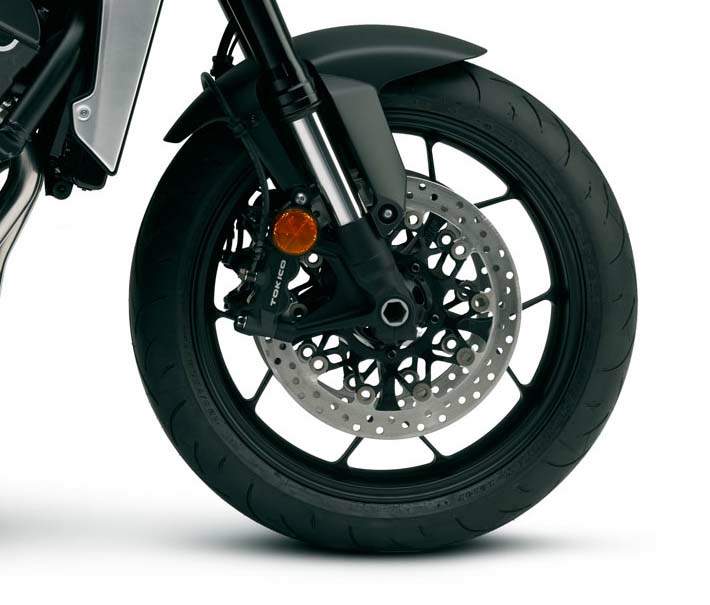
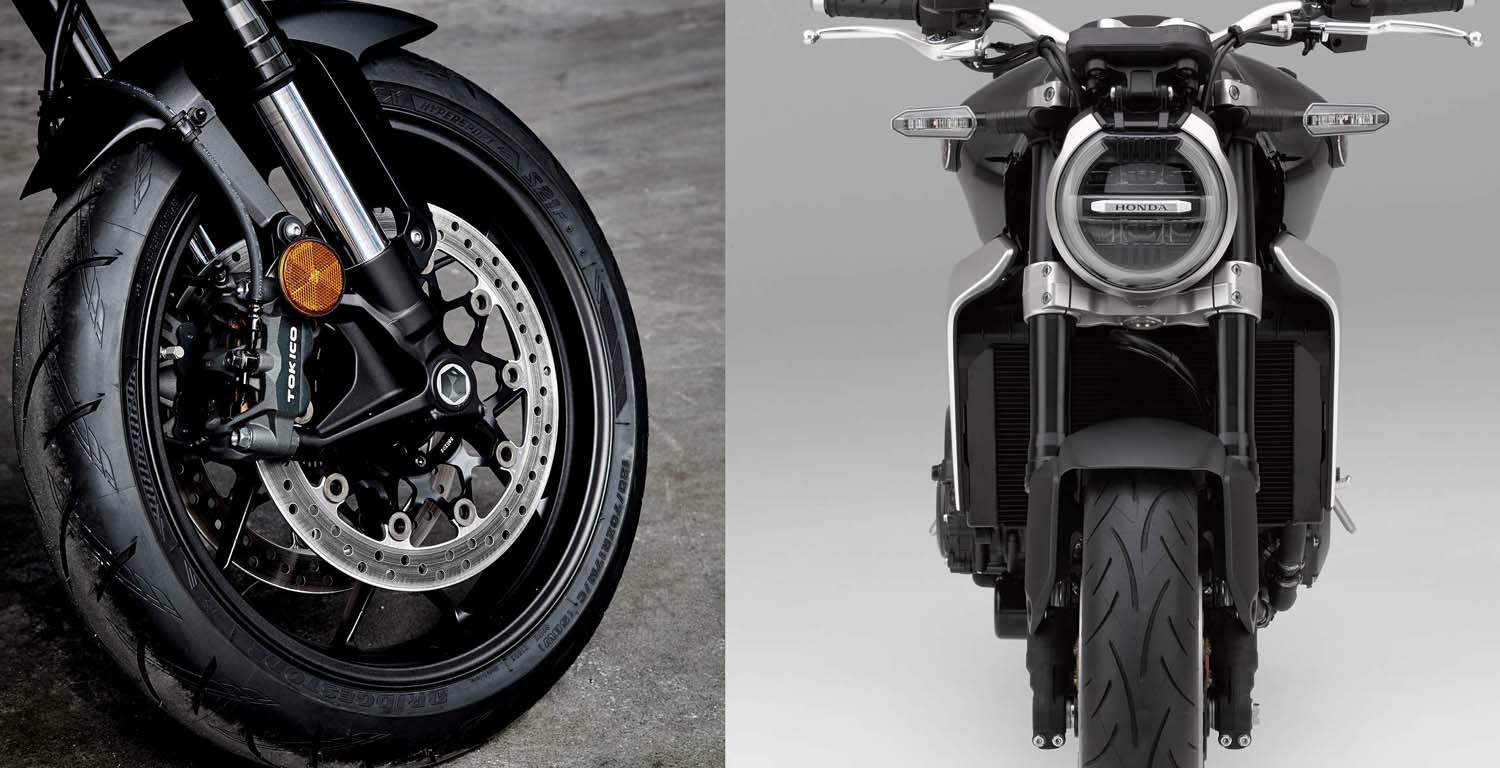
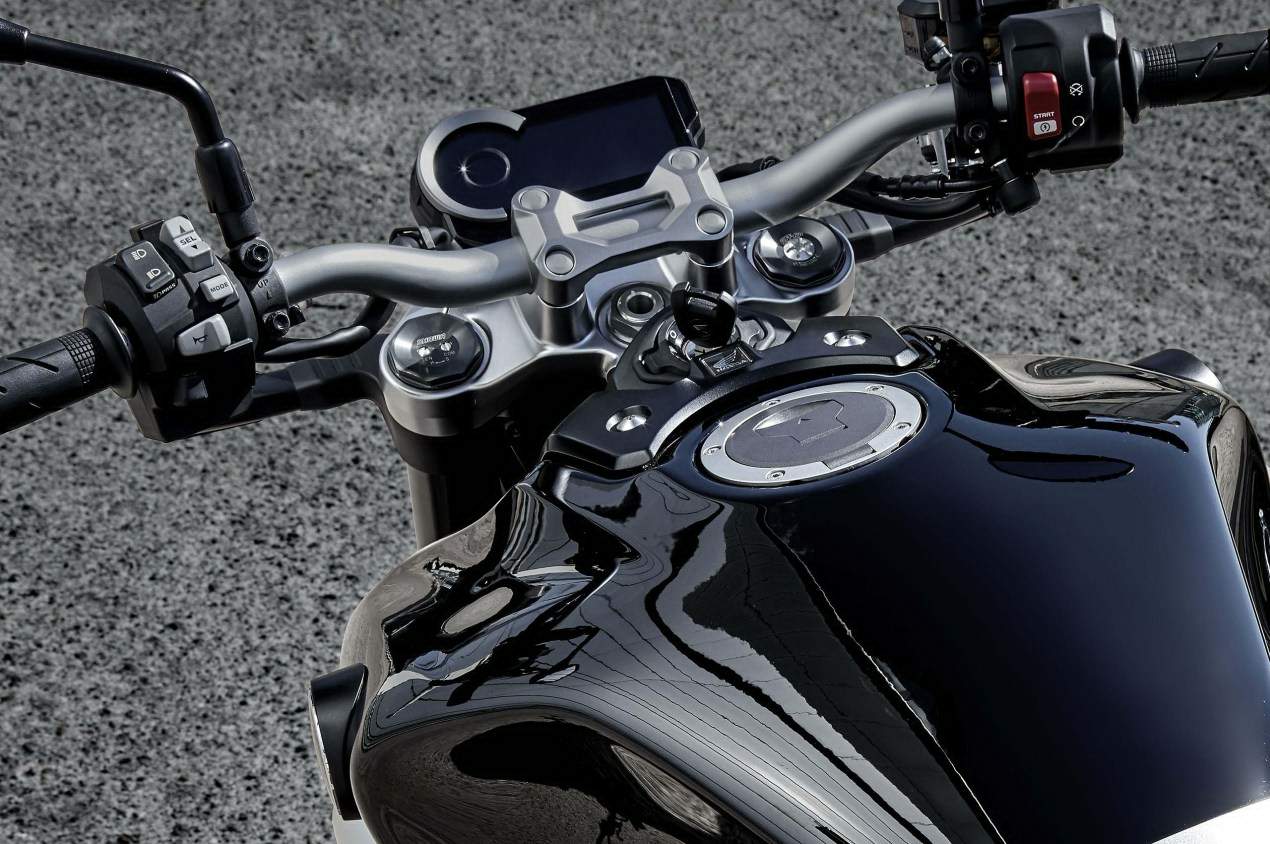
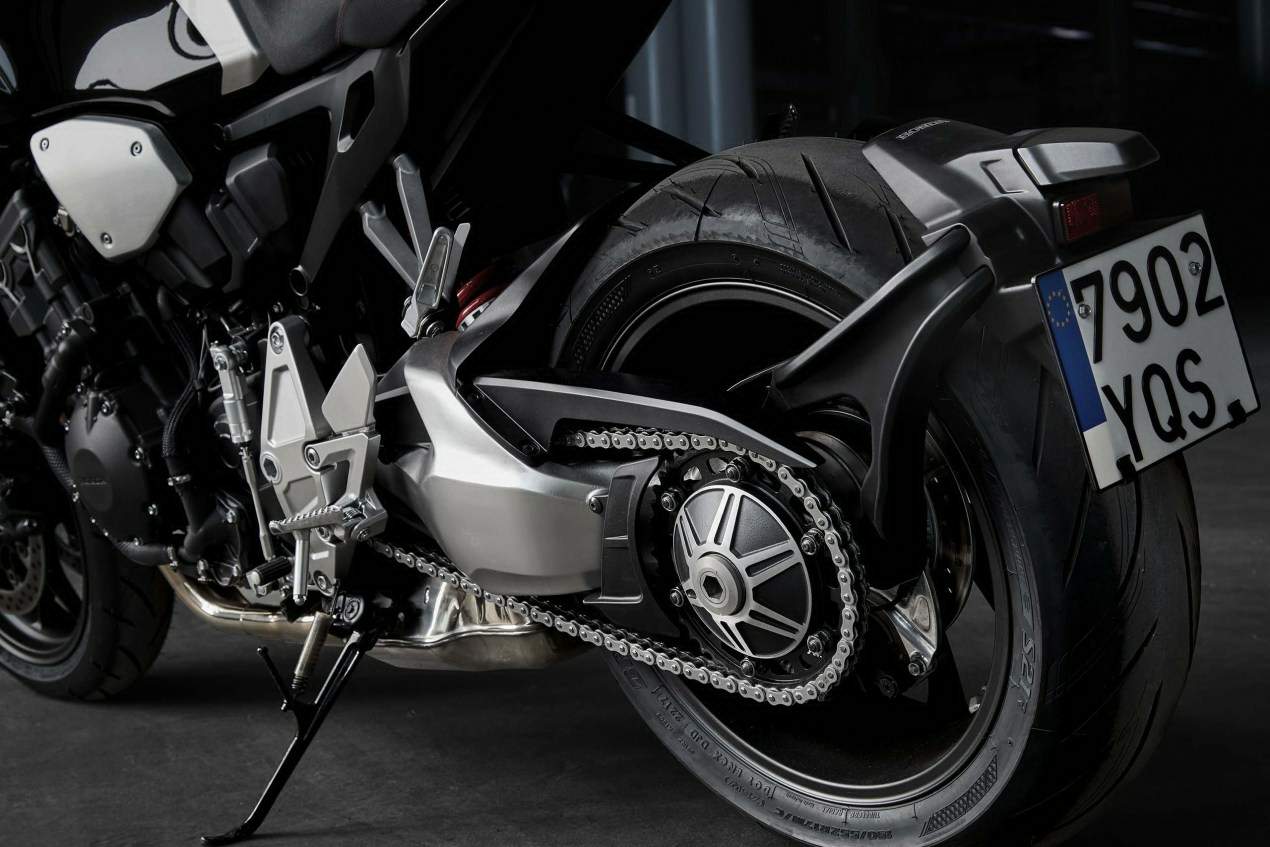
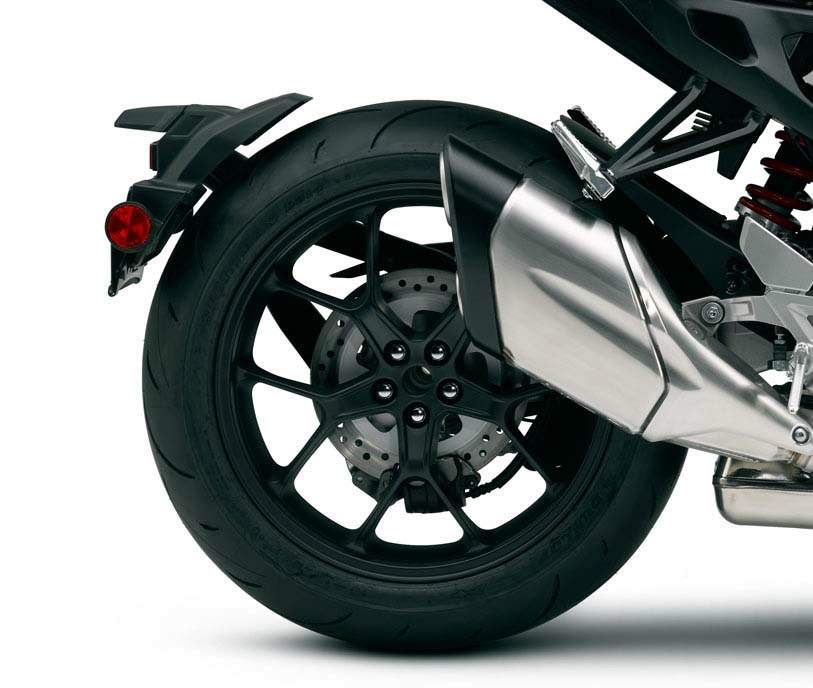
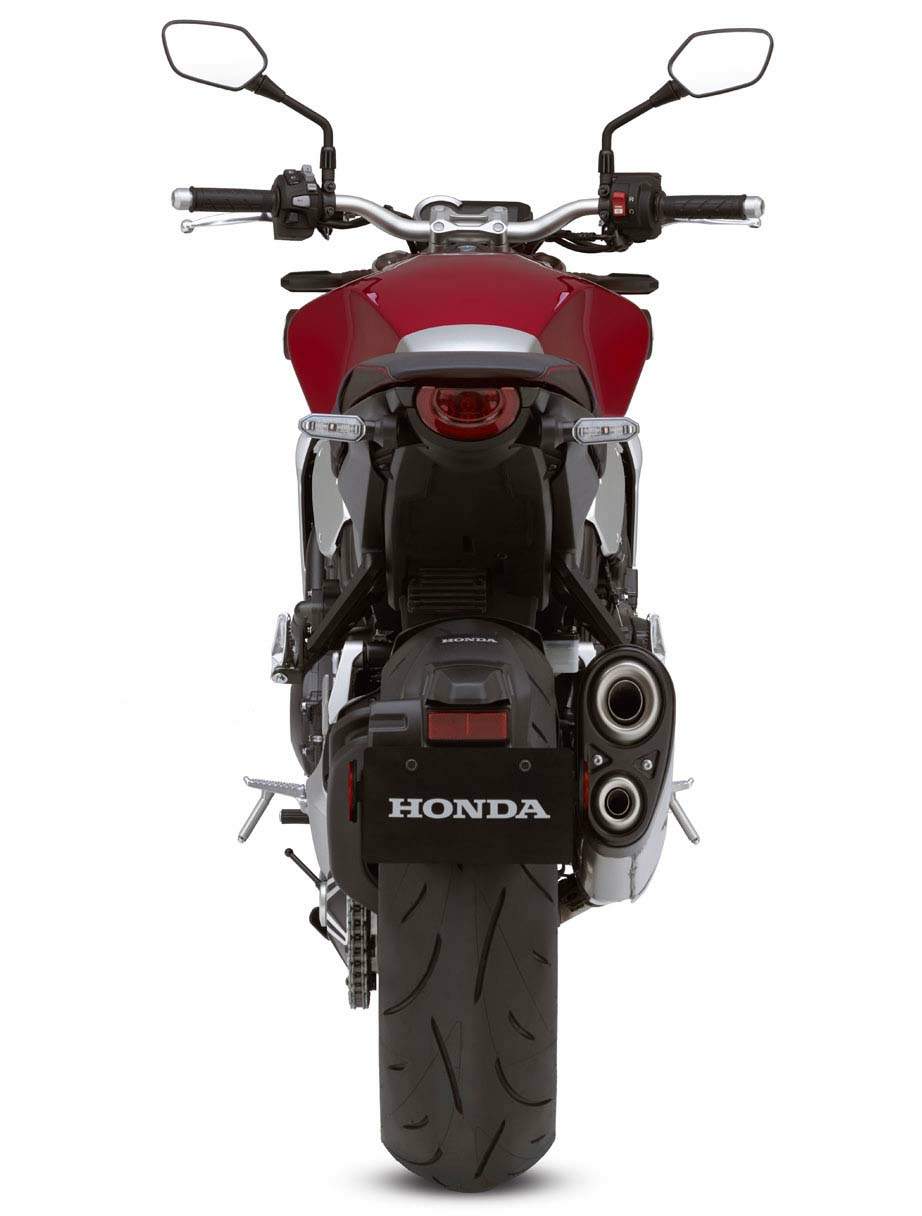
An inline-four streetbike is truly a thing of beauty. It’s all business, and you never get tired looking at it. Simply put, our CB1000R is the best open-class naked streetfighter we’ve ever produced. It has cutting-edge Neo-Sports Café styling, and a high-revving 998cc four-cylinder engine that’s specially tuned for midrange and top-end power. All in all, the CB1000R is light, powerful, responsive and an absolute blast to ride. So get ready to get noticed, on our 2019 CB1000R. Honda’s venerable CB1000R sport standard bridges the gap between performance and bare-boned Café Racer inspirations. The model boasts cutting-edge Neo-Sports Café styling, a capable chassis and an advanced electronics package—all characteristics that bolster performance while highlighting the importance of a strong, emotional connection between rider and machine. Originally introduced in Europe in 2007, the CB1000R has always been designed for versatility through the classic Honda formula of high performance in a naked four-cylinder machine. It embraces retro-inspired design through a compact and aggressive layout, satisfying the needs of a growing audience—customers who desire a motorcycle that performs aptly but also features retro-minimalist looks that inspire emotion. DESIGN Only six exterior parts are constructed from plastic, the largest being the svelte front mudguard. By contrast, what really makes its presence felt is the use of premium metal finishes throughout, drawing on the long café-racer tradition—parts such as the burnished-aluminum radiator shroud and airbox cover; machined engine cases, cylinder head, and sprocket hub; and flangeless steel fuel tank. All lighting is LED, and the thin, round headlight employs a horseshoe-shaped light ring, as well as a distinctive two-bar light signature. The rear light is also a semicircular light bar that fills in solid when the brakes are applied. The T-shaped instrument panel integrates into the top triple clamp, minimizing bulk, and the ignition switch is positioned at the front of the fuel tank. The rider triangle is relaxed, with a natural crouch afforded by the tapered aluminum handlebar. The flangeless fuel tank is broad-shouldered but features distinct cutaways to allow plenty of knee room. CHASSIS Front suspension is an adjustable Showa Separate Function Fr Fork Big Piston unit (SFF-BP). All of the damping function is contained in one leg for minimal weight, and the fork delivers compliance, comfort, and control across a broad range of riding conditions. The Showa shock has adjustable spring preload, compression damping, and rebound damping. Dual radial-mount four-piston front calipers bite 310mm floating rotors while the twin-piston rear caliper squeezes a 256mm rear rotor, and two-channel ABS is standard. A 190/55 ZR17 rear tire sits on a 6.0 inch rim, replacing the 180/55 ZR17 from the outgoing model. The front tire is still a 120/70 ZR17.
ENGINE The engine has been tuned to deliver its torque with strong character, especially in the 6,000-8,000 rpm range, where it generates an exciting and engaging riding experience. The character is ideal for rapid roll-on acceleration in real-world overtaking conditions. Redline begins at 11,500 rpm, and the rev limiter cuts in at 12,000 rpm. A 44mm diameter throttle body feeds large-diameter inlet ports. The airbox, ducting, and air filter present a simple, smooth route for airflow into the engine, reducing pressure loss all the way from the outer ducts to the throttle body. The assist/slipper clutch offers light lever pull and helps manage aggressive downshifts. A 4-2-1 design exhaust system helps the CB1000R’s midrange muscle, and a link pipe joins the two main pipes just before the catalyzers, boosting torque at 5,000 rpm and above. The system is light at just 24.7 pounds, and as engine speed rises past 5,500 rpm, the machine takes on a deep, raw tone. TECHNOLOGY There are three levels of Engine Power (P), Engine Brake (EB), and Honda Selectable Torque Control (HSTC) available; HSTC can also be switched off. The three individual riding modes offer different combinations of each parameter. RAIN mode employs the lowest Power setting, medium EB, and high HSTC. The lower levels of power and torque are focused on the first three gears. STANDARD mode uses the middle setting for Power, HSTC, and EB. It reduces output a bit in first and second gears and uses a power curve that sits just below that of SPORT mode, with reduced torque at partial throttle openings. It also allows for small rear-wheel slides and the front wheel leaving the ground. SPORT uses high Power and lowest levels of EB and HSTC to deliver 100% power through all six gears, maximum torque at all throttle positions, and minor intervention from HSTC. The USER mode allows the rider to choose between the three settings for each parameter and save the setting for future use. |
|
|
Any corrections or more information on these motorcycles will be kindly appreciated. |