|
|
|
|
Classic Bikes
Custom Bikes
Individual
Racing Bikes AJP
AJS
Aprilia
Ariel
Avinton / Wakan
Bajaj
Benelli
Beta
Bimota
BMW
Brough Superior
BRP Cam-Am
BSA
Buell / EBR
Bullit
Bultaco
Cagiva
Campagna
CCM
CF Moto
Combat Motors
Derbi
Deus
Ducati
Excelsior
Fantic
GASGAS
Ghezzi Brian
Gilera
GIMA
Harley Davidson
Hero
Highland
Honda
Horex
Husaberg
Husqvarna
Hyosung
Indian
Jawa
Kawasaki
KTM
KYMCO
Laverda
Lazareth
Magni
Maico
Mash
Matchless
Mondial
Moto Guzzi
Moto Morini
MV Agusta
MZ / MuZ
NCR
Norton
NSU
Paton
Peugeot
Piaggio
Revival Cycles
Roland Sands
Royal Enfield
Sachs
Sherco
Sunbeam
Suzuki
SWM
SYM
Triumph
TVS
Ural
Velocette
Vespa
Victory
Vincent
VOR
Voxan
Vyrus
Walt Siegl
Walz
Wrenchmonkees
Wunderlich
XTR / Radical
Yamaha
Zero
Video
Technical
Manufacturer List Contact
|
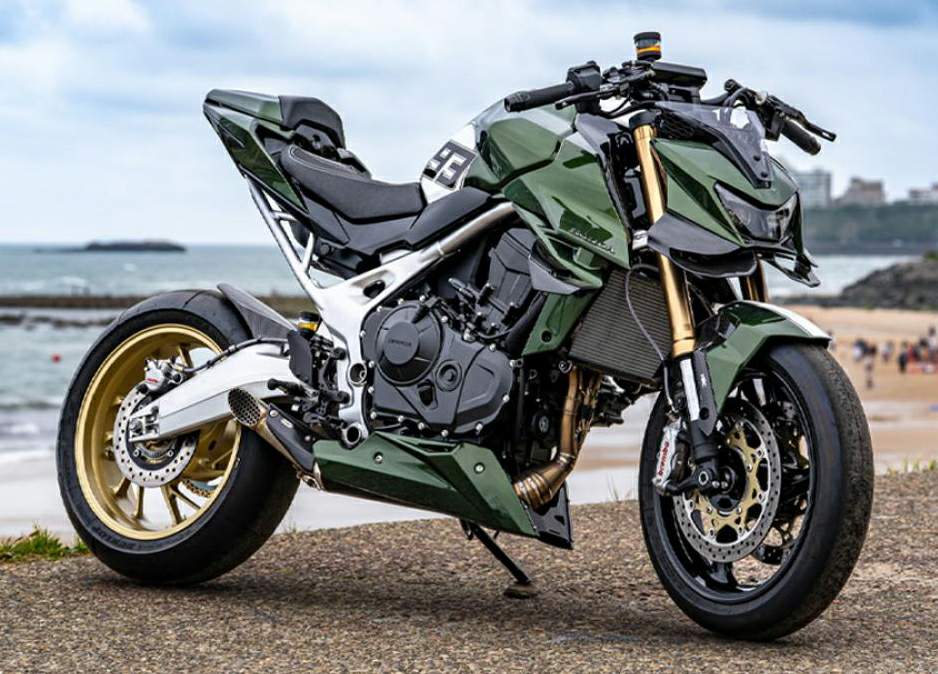
Honda CB750 'Mugen' Hornet Custom by Mototrofa
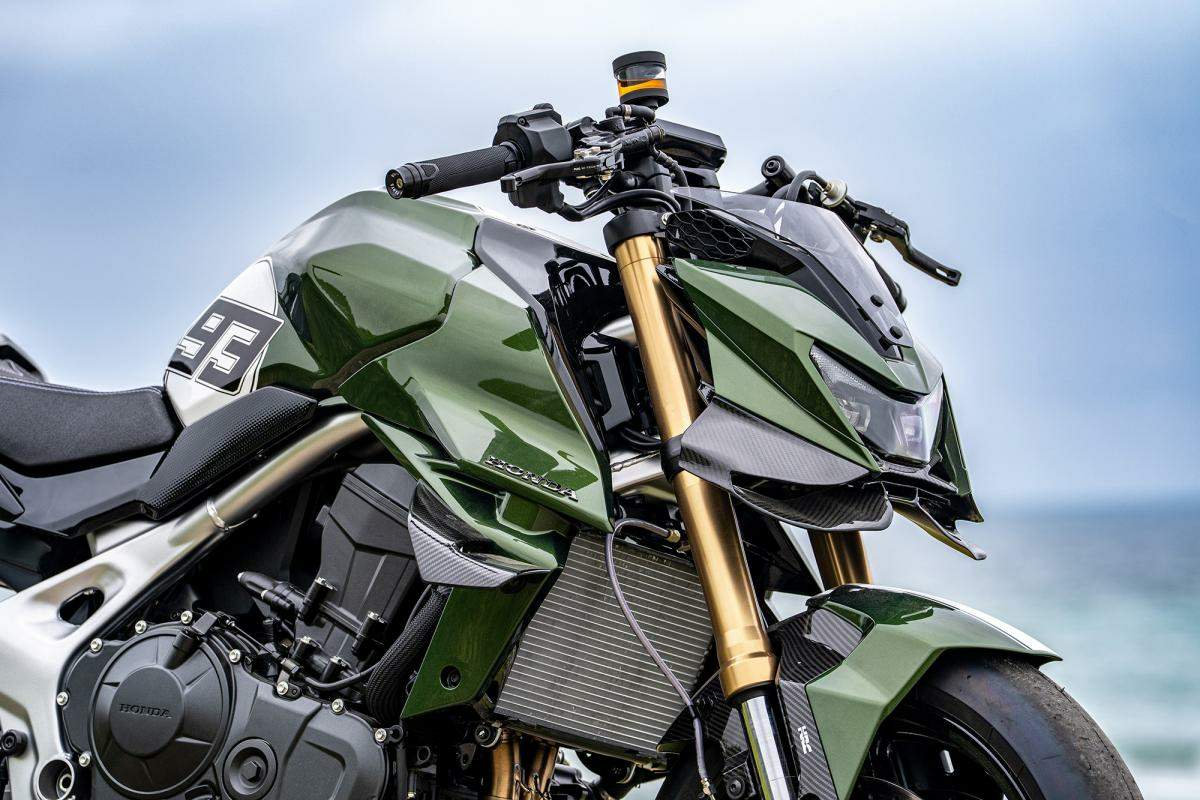
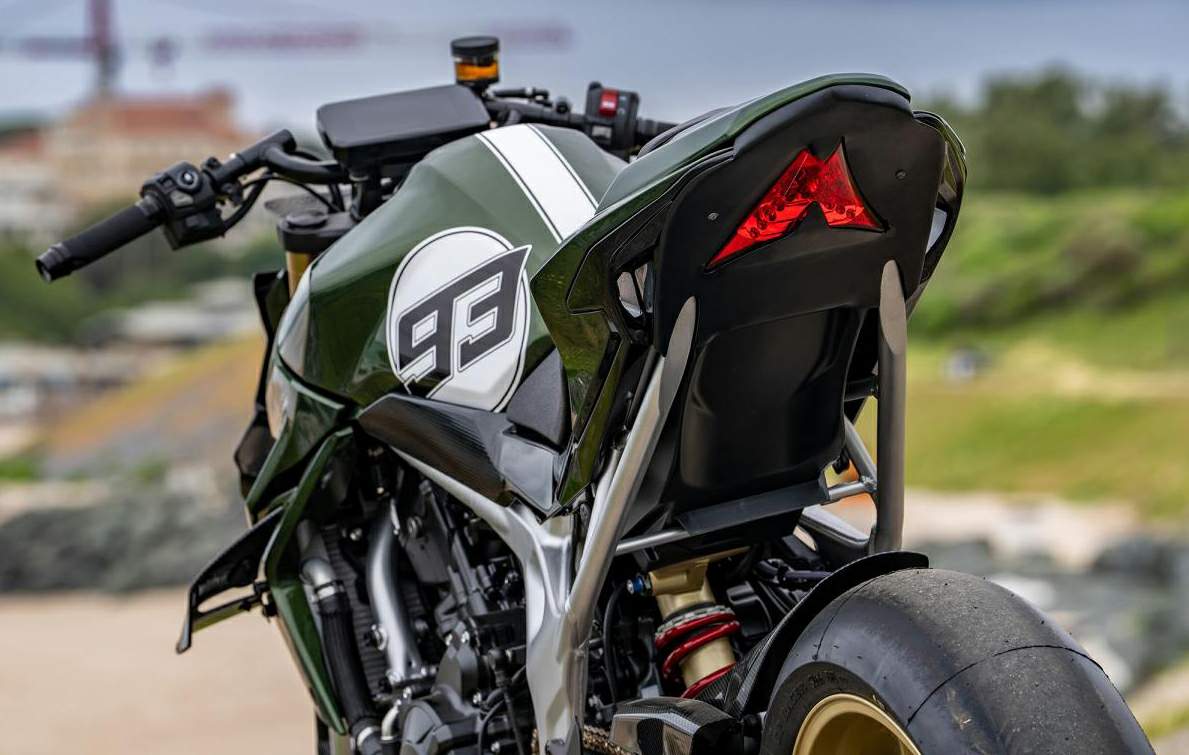
Honda announced that Portuguese dealer Mototrofa became its second two-time winner of the Hondacustoms.com contest. Its bespoke creation ‘Mugen’, based on the 27YM Honda CB750 Hornet, leaned into Honda’s heritage, the Hornet’s streetfighter aesthetic, and oozed high-quality custom components from front to back. The cohesive vision and timeless style found favour with fans, with the striking green machine taking 24% of the total 42,000+ votes cast. The creative team from Mototrofa talk us through their story with ‘Mugen’, and how that led to a second victory at Honda’s increasingly popular custom build contest.
What does it mean to win the Hondacustoms.com
competition for the second time? It carries a strong personal significance for all the people in Mototrofa. Having two winning projects in a European competition of this scale is something that makes us genuinely proud, especially because behind every project there is a team, countless hours of work, discussion, attention to detail, and above all, a great deal of dedication. This victory is also a recognition of all those efforts. Knowing that a creation developed by us in Portugal was chosen from among so many excellent projects across Europe makes us extremely happy and proud. With that in mind, we would like to take this opportunity to thank everyone who, in one way or another, was part of this journey. A special thank you to Paulo Ferreira, who once again took on the creative direction of this project and to Guilherme Silva for his tireless support in communications and throughout the creative process, accompanying the project from start to finish. To Ivaldo Lima and Flávio Ferreira for their outstanding work in the workshop and their relentless pursuit of excellence. They never delivered anything less than perfection in execution. And of course, our gratitude extends to everyone who voted for us and believed in us from day one. It truly means a great deal to us.
What was the inspiration behind ‘Mugen’, and how
did it influence the final build? From that starting point, we set out to elevate every aspect of the concept to the next level of performance. The aggressive stance, the colour scheme, the graphic details, and the sense of movement were all carefully adapted to the Hornet’s character. The goal was for every modification to have a clear purpose and contribute to a sportier and more dynamic overall image. At the same time, we wanted this bike to feature an impeccable level of finish, with a premium and elegant look. In the end, I believe that became one of the project's most important achievements. Despite all the modifications, you can still look at the motorcycle and immediately recognise it as a Honda CB750 Hornet.
What was the most challenging element to
incorporate, and how did you overcome it? The paint scheme is what immediately defines a motorcycle’s personality, and in this case, it had to establish a connection with ‘Mugen’, convey a sense of performance and, at the same time, respect the Hornet’s lines and identity. Eventually, we reached a point where we realised that less could be more. From there, we kept refining the design until we found the right balance between colour, graphics, proportions and the motorcycle’s surfaces. We knew it would be a risk not to create the most radical-looking bike in terms of colour schemes, as it could attract less attention at first glance. On the other hand, we also felt that this restraint would make it stand out in a different way. That is why it made sense to follow our instincts. The challenge was to find the right visual language and, just as importantly, to know when to stop. Looking back, we believe it was precisely that decision that ultimately gave the ‘Mugen’ the identity we were searching for.
What’s your favourite part of ‘Mugen’? Can you
walk through a specific detail?
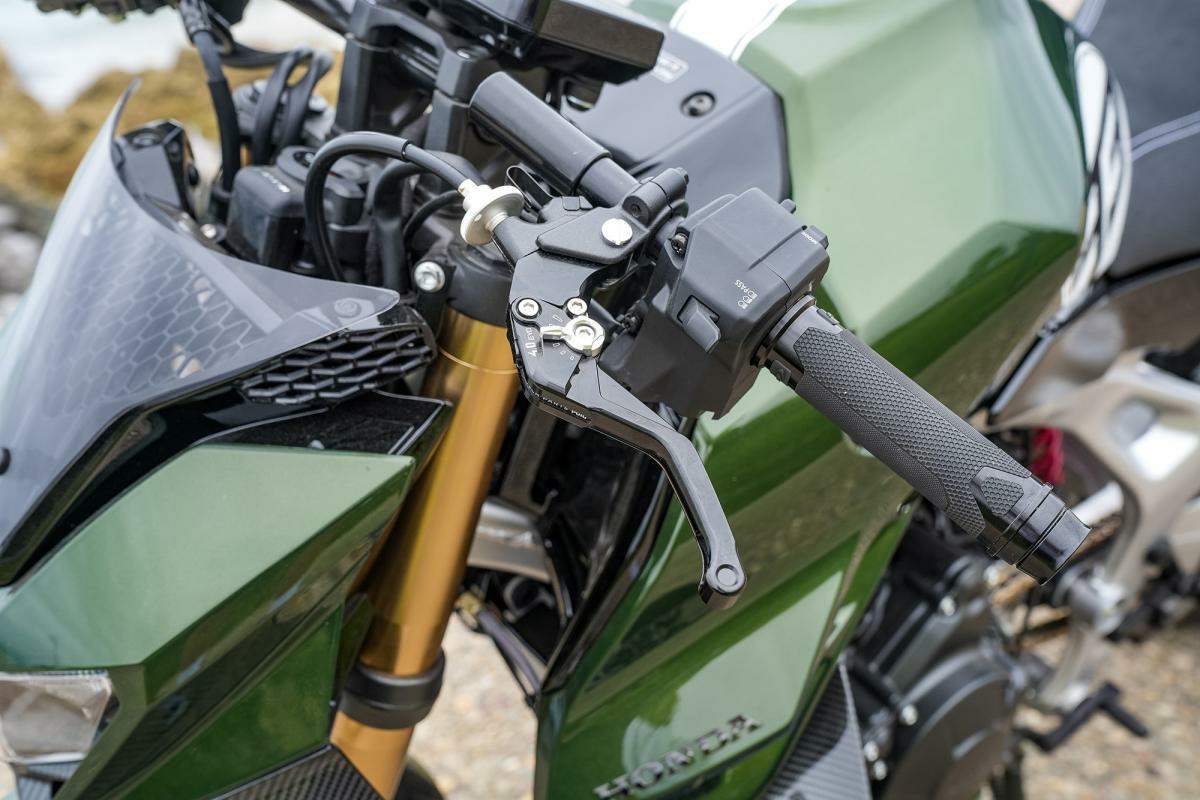
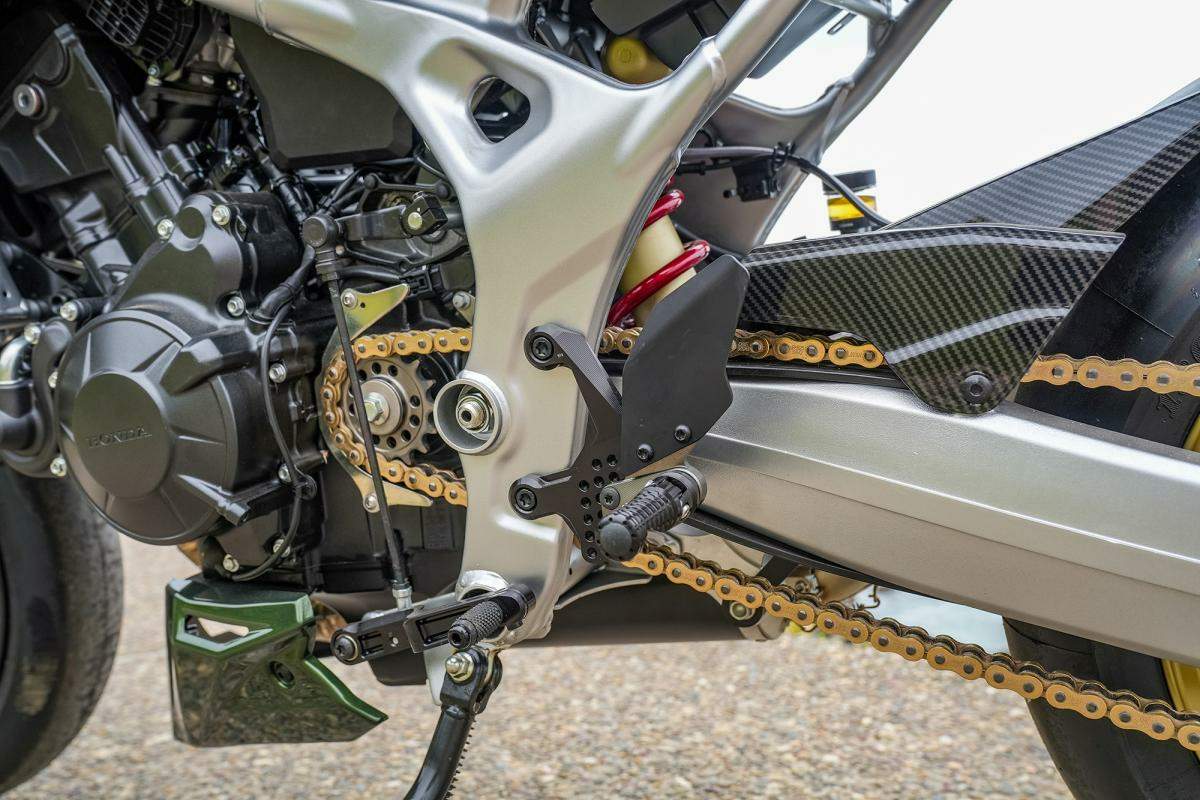
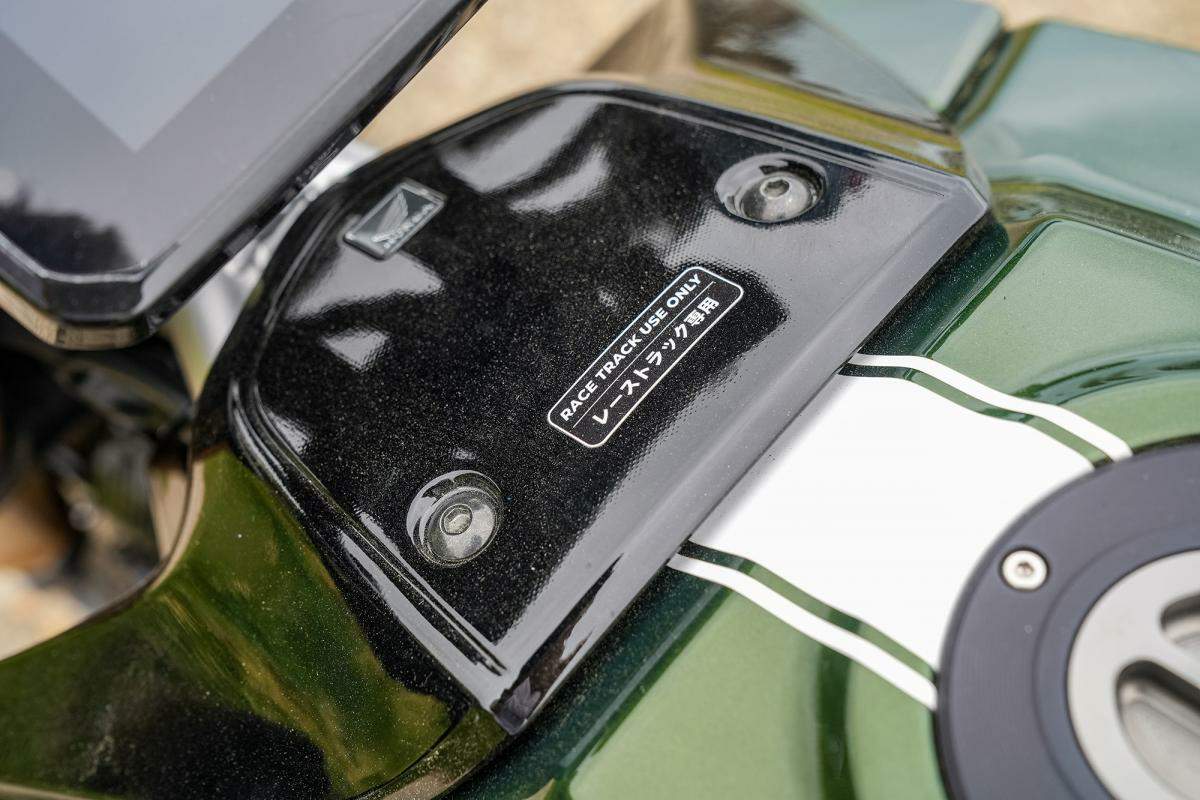
From the paintwork and graphics, which were perhaps
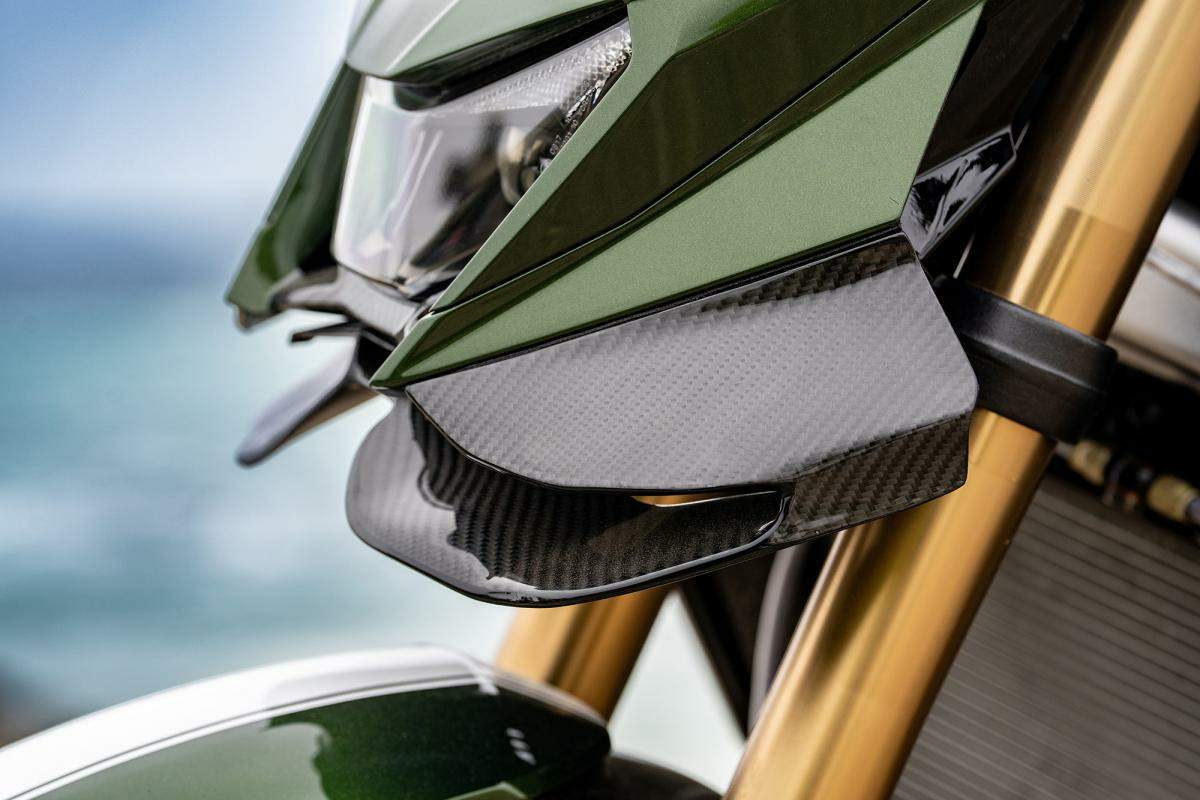
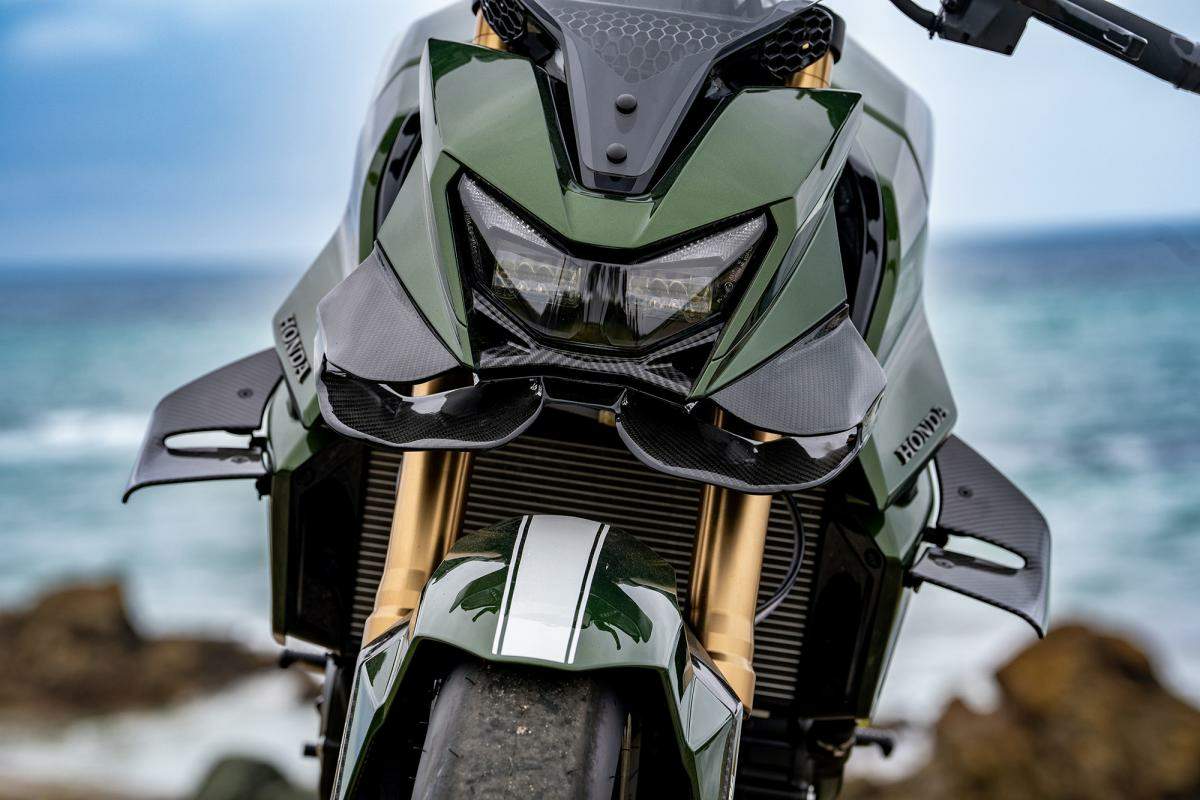
the most challenging aspects to define, to the aerodynamic appendage
beneath the main headlight that was designed from scratch and
manufactured in real carbon fibre; from the suspension modifications
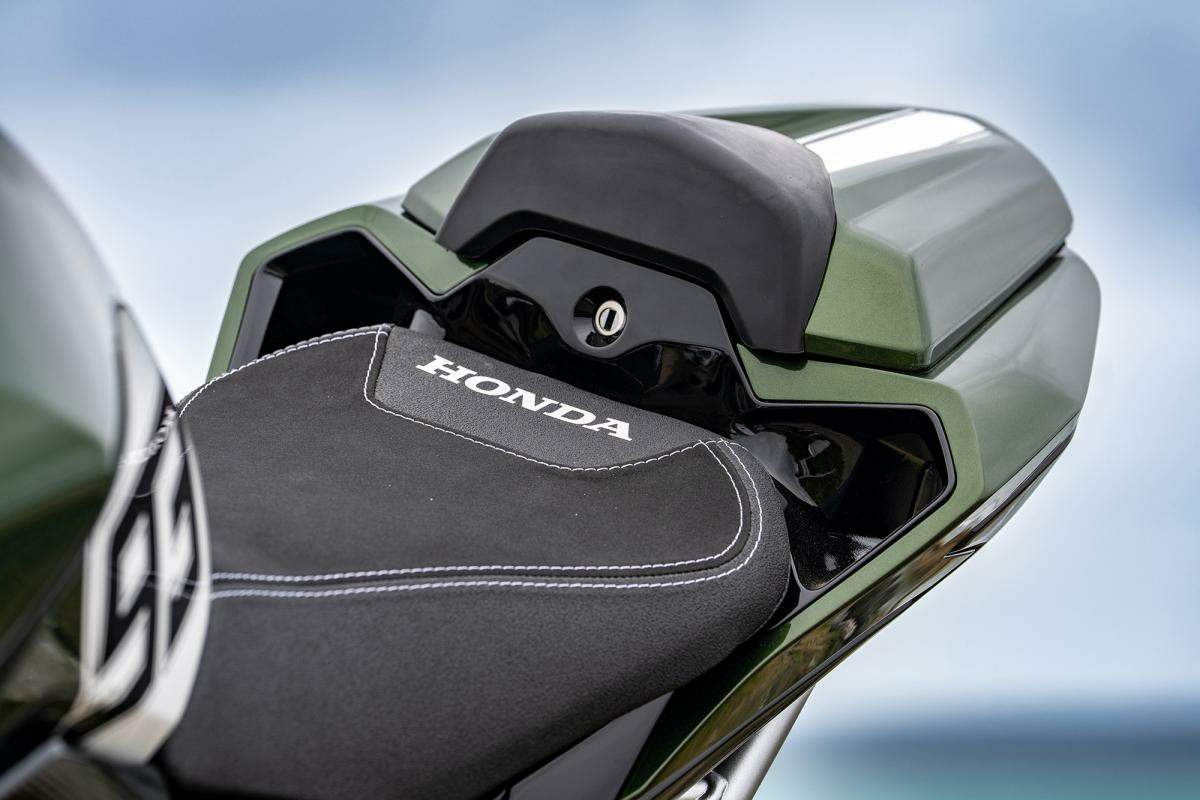
and rear brace adjustments to the redesigned tail section and its
refined finishing touches; from the repositioning of the main
instrument cluster to the smallest details, everything was conceived
to work together as one cohesive whole. Perhaps that is ‘Mugen’’s most special feature: there is no single detail that defines the project. What truly defines it is the way all the elements come together. In the end, you look at the motorcycle and feel that everything is exactly where it should be.
How long did the entire build take from concept to
completion, and were there any unexpected twists along the way? Naturally, there were several changes and unexpected twists along the way. Without a doubt, our biggest challenge was time. We wanted to incorporate several unique components that required time to be designed, manufactured and delivered. In addition, several parts had to be modified throughout the build. We had to adjust, test different solutions and, at certain stages, rethink some of our original ideas. Looking back, we believe the experience gained from the Fénix project was a significant advantage. At the same time, it makes this victory even more special: we were able to develop a completely new motorcycle in just six weeks and take it all the way to another European title. It was a true team effort, and, despite the constant time pressure, we managed to stay focused on the end result from start to finish.
‘Mugen’ was built under the mantra of ‘Form should
follow function, not the other way round’ - How do you balance form
and function in a custom build? With the ‘Mugen’, we started by defining the message we wanted the bike to convey, and from there made decisions about the different elements. Even when a modification served a primarily aesthetic purpose, we ensured that it respected the Hornet’s lines and proportions and had a clear reason for being part of the overall package.
At the same time, we never wanted functionality to
limit creativity too much. The real challenge lies in finding
solutions that are functional while also contributing to the bike’s
character and personality.
Does the CB750 Hornet make a good base for a
custom build? That is precisely what attracted us to this project. We never felt the need to completely transform the Hornet to create something special. On the contrary, we liked the idea of starting from what the bike already was and exploring how far we could take it through our own vision and craftsmanship.
The ‘Mugen’ ultimately became a very personal
interpretation of what an ideal Hornet would look like.
What would your dream build be from the current
Honda line-up? And what form would it take? After completing two Honda Customs projects, it would also be an exciting challenge to create something completely different from both the ‘Mugen’ and the Fénix.
We think the CB1000F provides plenty of opportunities
to explore new directions, whether in terms of aesthetics,
proportions or even the story behind the build. That possibility of
starting from a different concept and expressing a new vision is
what makes a project like this so appealing for us.
|
|
|
Any corrections or more information on these motorcycles will be kindly appreciated. |