|
Husqvarna WR 250

|
Make Model |
Husqvarna WR 250 |
|
Year |
2007-09 |
|
Engine |
Liquid cooled, two stroke, single cylinder, HTS
Power Valve |
|
Capacity |
239 |
|
Bore x Stroke |
66.4 x 72mm |
|
Compression Ratio |
8.4:1 |
|
Induction |
38mm Mikuni TMX |
|
Ignition /
Starting |
CDI / kick |
|
Max Power |
|
|
Max Torque |
|
|
Transmission /
Drive |
5 Speed / chain |
|
Gear Ratio |
1st: 20,220 2nd: 16,513 3rd: 13,564
4th: 11,422 5th: 9,932 |
|
Frame |
Steel single tube cradle (round tubes); rear
frame in light alloy |
|
Front Suspension |
45mm Marzocchi “Upside Down” telescopic
hydraulic fork with
advanced axle; compression and rebound stroke adjustment |
|
Rear Suspension |
320mm Sachs Progressive “Soft Damp” type with
single hydraulic shock absorber; spring preload adjustment, compression and
rebound adjustment (compression stroke; double adjustment) |
|
Front Brakes |
Single 260mm disc |
|
Rear Brakes |
Single 220mm disc |
|
Front Tyre |
90/90 -21 |
|
Rear Tyre |
140/80 -18 |
|
Dry-Weight |
108 kg |
|
Fuel Capacity |
9.5 Litres |
Looking for fun in the woods is by now synonym
with the Husqvarna WR 250 as people who already got a feel of it can’t get
enough. And it is all due to the fact that this maker decided that it is better
to rely on the good old two-stroke “hit” and make a good and pretty unique
impression on a market dominated by four-stroke engines packed with technology
in order to equal what the powerplant of this Husky already achieved.
But hey, that’s technology evolution and we’re not going to argue with it,
but simply get the best out of the WR 250 and put it on your screen.
One of the longest living models in Husqvarna’s
lineup, the WR 250 was first produced in 1969 and followed a great success all
through the 70s as it was a cheap and easy to live with machine characterized
through a two-stroke engine, good suspensions and drum brakes, kind of like all
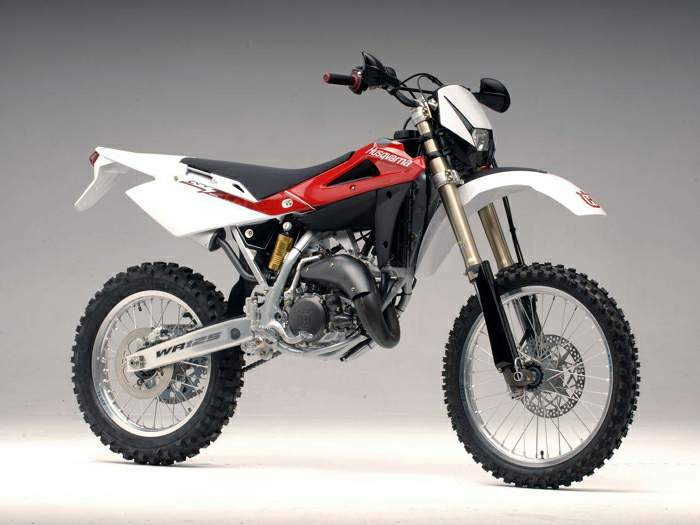
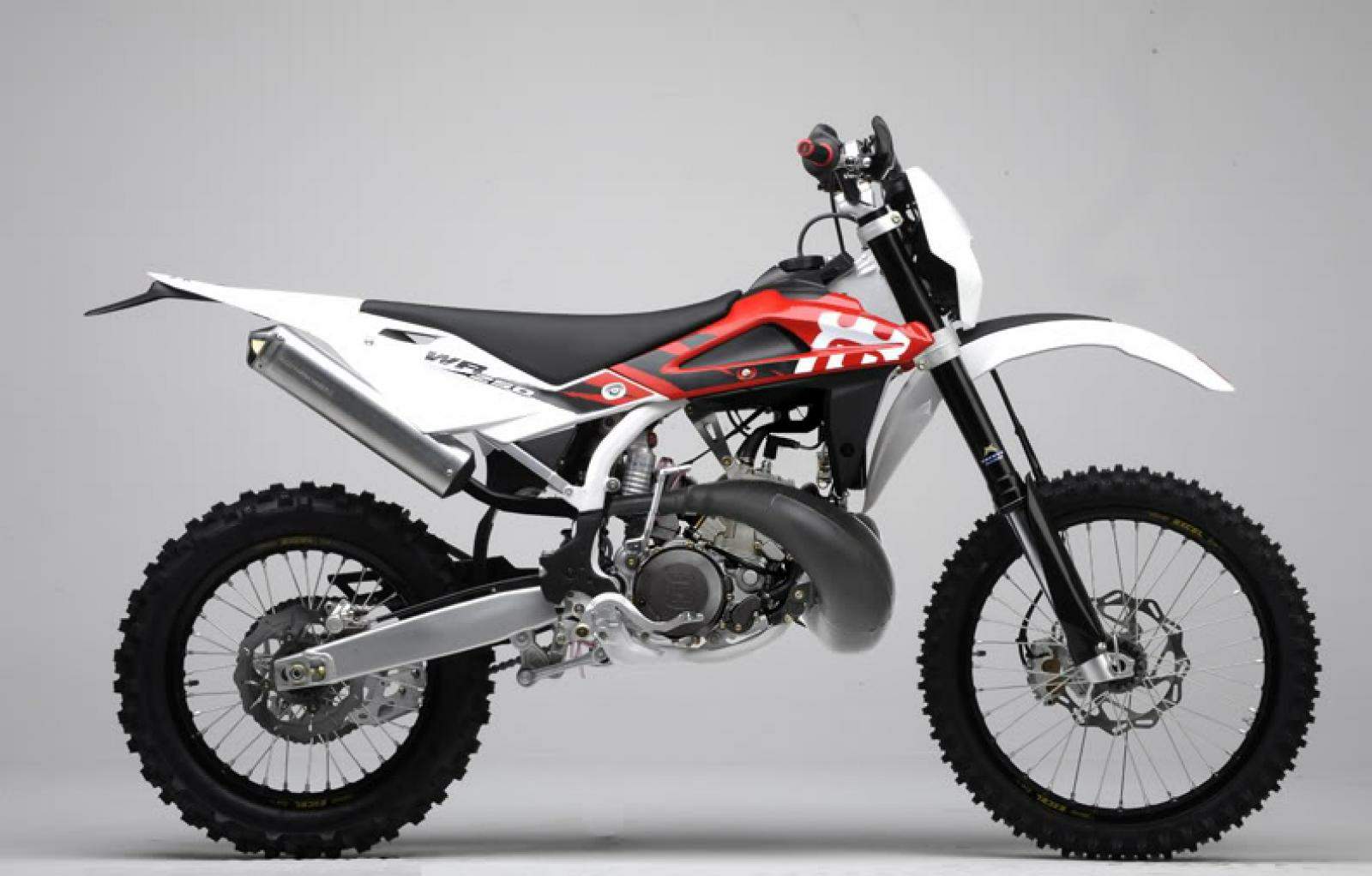
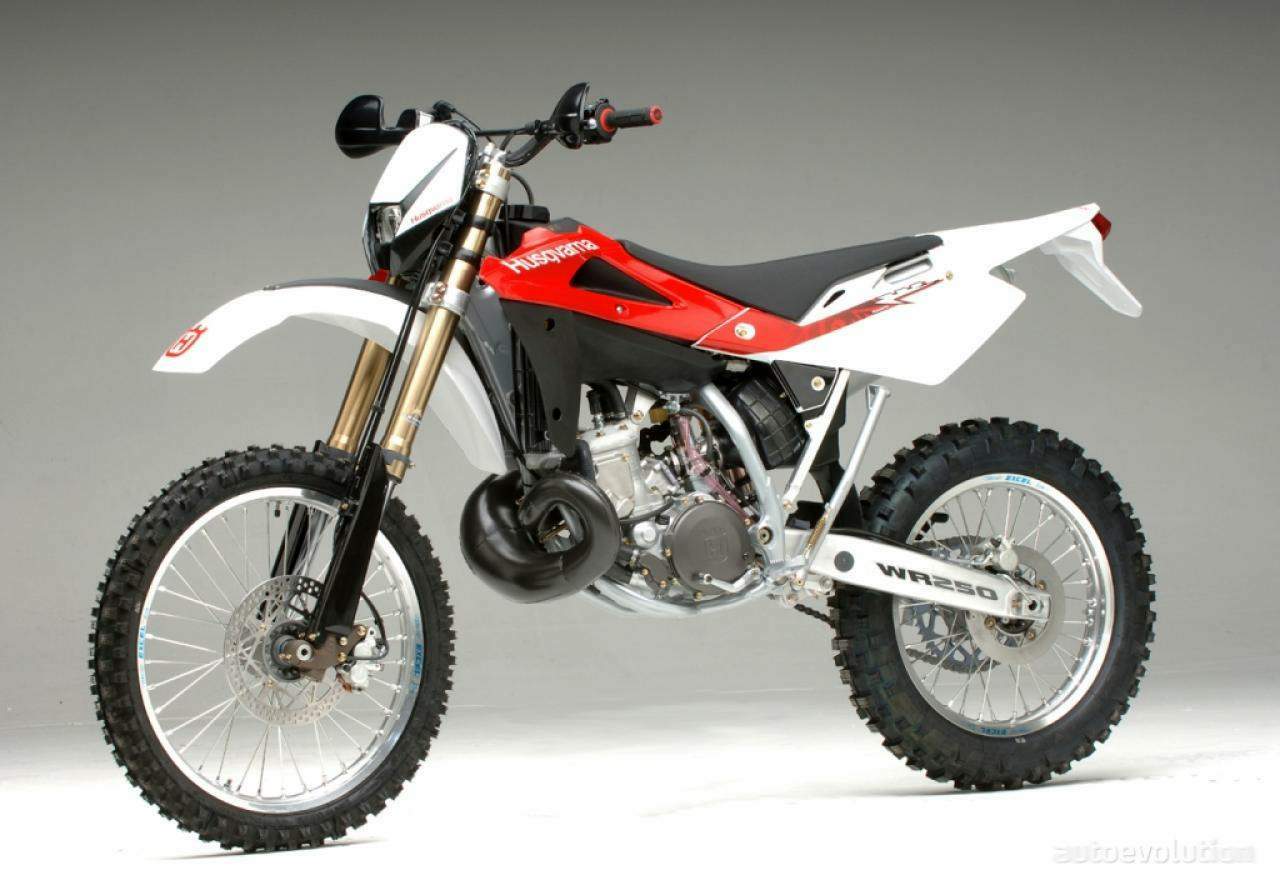
the bikes of the time, but what you will notice in the pictures are the color
schemes. This is testimony of the fact that Husqvarna comes back to its roots.
Things evolved together with the arrival of the 1980s and the bike would
have looked a little more up to date thanks to its square headlight and the
addition of as much plastic as possible. It so ended up looking like a trail
ride that had stepped-up to the challenge and boy it did! The 80s had a great
impact on the Husqvarna name and the WR had much to do with that. With the years
passing by, the manufacturer oriented on keeping the weight down so they removed
the unneeded plastic, making the bike look a little more athletic.
The mechanics had evolved a lot so the engine was living the days of glory
of the two-stroke generation.
The early 1990s gave a green
light to stylistic and mechanical upgrade so you will identify a 1992 model
and say “it’s a husky” with no doubts. Disc brakes were the key and the
engine revved higher than ever before. It is also the year when they went
for the Blue and Yellow color schemes which were changed all through the
90s, with their reintroduction together with the new millennium.
Until 2006, minor changes were done to the bike as the manufacturer planned
a major revamp for 2007 model year. Riders could now enjoy a new seat, new
tank and new panels and the red and white cover was added. Fitted with new
instrumentation and redesigned handlebars, the WR 250 was a totally new and
yet filled with history motorcycle.
One filled with heritage
motorcycle that proves able to be taken even further for 2008 model year as
it receives its bag of goodies happily and makes no compromise when it comes
to exploiting the hell out of them. This is the bike that made us thrilled
when hearing about testing a Husqvarna model and I reckon there will be many
more.
Source Top Speed |