|
|

|
|
|
|
Classic Bikes
Custom Bikes
Individual
Racing Bikes AJP
AJS
Aprilia
Ariel
Avinton / Wakan
Bajaj
Benelli
Beta
Bimota
BMW
Brough Superior
BRP Cam-Am
BSA
Buell / EBR
Bultaco
Cagiva
Campagna
CCM
CF Moto
Combat Motors
Derbi
Deus
Ducati
Excelsior
GASGAS
Ghezzi Brian
Gilera
GIMA
Harley Davidson
Hero
Highland
Honda
Horex
Husaberg
Husqvarna
Hyosung
Indian
Jawa
Kawasaki
KTM
KYMCO
Laverda
Lazareth
Magni
Maico
Mash
Matchless
Mondial
Moto Guzzi
Moto Morini
MV Agusta
MZ / MuZ
NCR
Norton
NSU
Paton
Peugeot
Piaggio
Revival Cycles
Roland Sands
Royal Enfield
Sachs
Sherco
Sunbeam
Suzuki
SWM
SYM
Triumph
TVS
Ural
Velocette
Vespa
Victory
Vincent
VOR
Voxan
Vyrus
Walt Siegl
Walz
Wrenchmonkees
Wunderlich
XTR / Radical
Yamaha
Zero
Video
Technical
Complete Manufacturer List
|
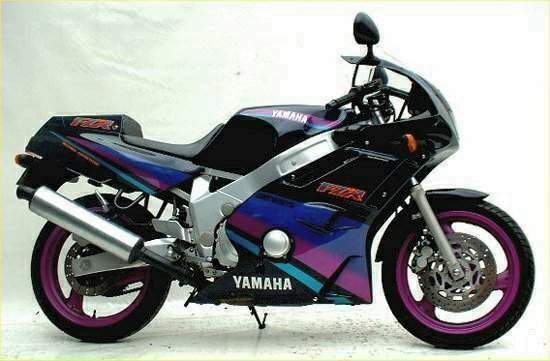
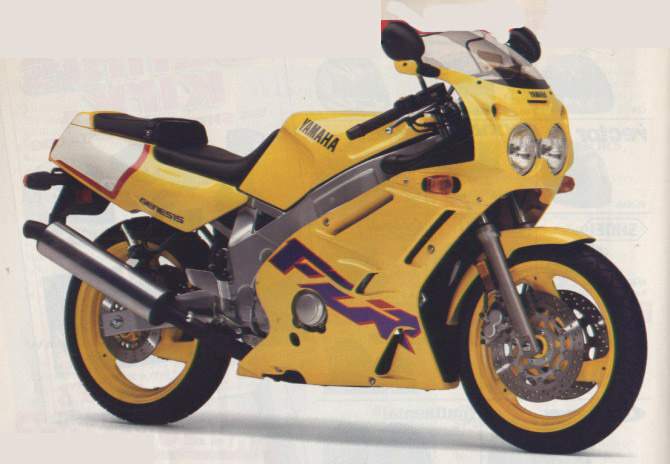
Yamaha FZR 600
There are two types of FZR600's, pre and post Dec
'93. They're completely different animals. The FZR was considered by many to be the best 600 available when it was introduced in 1989. There have been no major revisions to the FZR's design with the exception of substituting a single headlight in the '91 and '92 years and adding 4 pot brake calipers, a spin on type oil filter and a bit wider rear tire after '89. The key features of the FZR600 is the Deltabox frame. Although made of heavy steel, it is a frame design that evenly distributes the weight of the bike giving it incredible handling characteristics, now heavily copied by every other sportbike manufacturer. Some FZR600's, and all those sold in California, USA, have an EXUP valve. The EXUP maintains high back pressure at low RPM's and opens fully at high RPM's yielding excellent midrange and no loss of top end, most exhaust tuners find the Yamaha EXUP valve design "hard to beat." Therefor it is recommended to only add a full exhaust system on a 49 state FZR600 as it requires you to lose the EXUP valve (just get a good slip-on). The only problem with the stock FZR for performance riding is the under dampened rear shock and soft fork springs. Öhlins and FOX both make replacements for the rear that make a world of difference and Race Tech springs for the front are the preferred choice. The FZR is an excellent machine that will run circles around inexpensive Ninja's, Katana's, and the like. The popularity of this bike makes it easy to find parts and used ones between $2000-$4000. Reliablity is excellent under normal riding, but the weak Yamaha clutch and tranny does not take kindly to abuse, repair work should you destroy yours is aprox. $1000. Source The FZR Archives
|
|
|
Any corrections or more information on these motorcycles will be kindly appreciated. |