|
|

|
|
|
|
Classic Bikes
Custom Bikes
Individual
Racing Bikes AJP
AJS
Aprilia
Ariel
Avinton / Wakan
Bajaj
Benelli
Beta
Bimota
BMW
Brough Superior
BRP Cam-Am
BSA
Buell / EBR
Bultaco
Cagiva
Campagna
CCM
CF Moto
Combat Motors
Derbi
Deus
Ducati
Excelsior
GASGAS
Ghezzi Brian
Gilera
GIMA
Harley Davidson
Hero
Highland
Honda
Horex
Husaberg
Husqvarna
Hyosung
Indian
Jawa
Kawasaki
KTM
KYMCO
Laverda
Lazareth
Magni
Maico
Mash
Matchless
Mondial
Moto Guzzi
Moto Morini
MV Agusta
MZ / MuZ
NCR
Norton
NSU
Paton
Peugeot
Piaggio
Revival Cycles
Roland Sands
Royal Enfield
Sachs
Sherco
Sunbeam
Suzuki
SWM
SYM
Triumph
TVS
Ural
Velocette
Vespa
Victory
Vincent
VOR
Voxan
Vyrus
Walt Siegl
Walz
Wrenchmonkees
Wunderlich
XTR / Radical
Yamaha
Zero
Video
Technical
Complete Manufacturer List
|
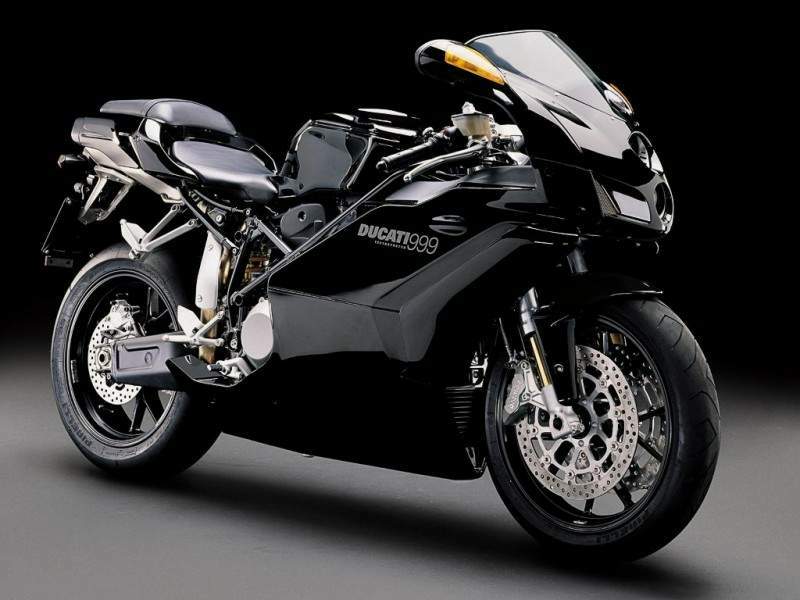
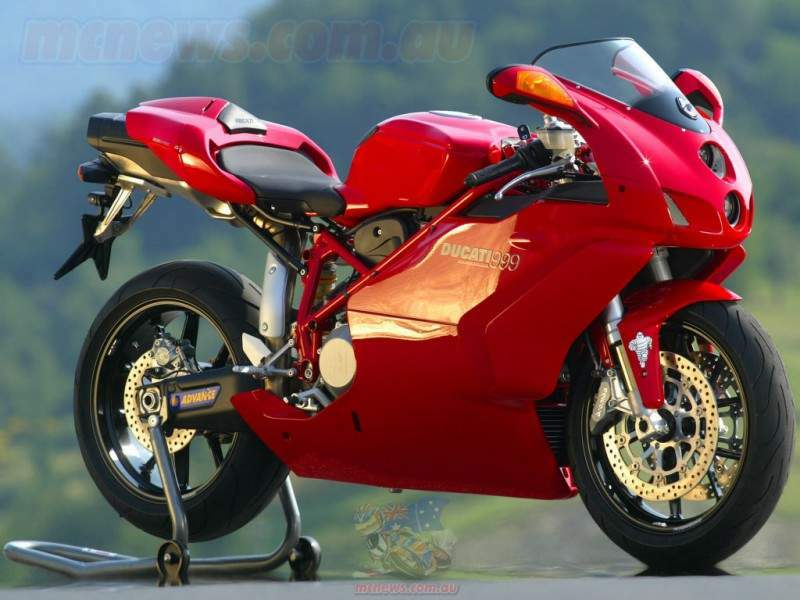
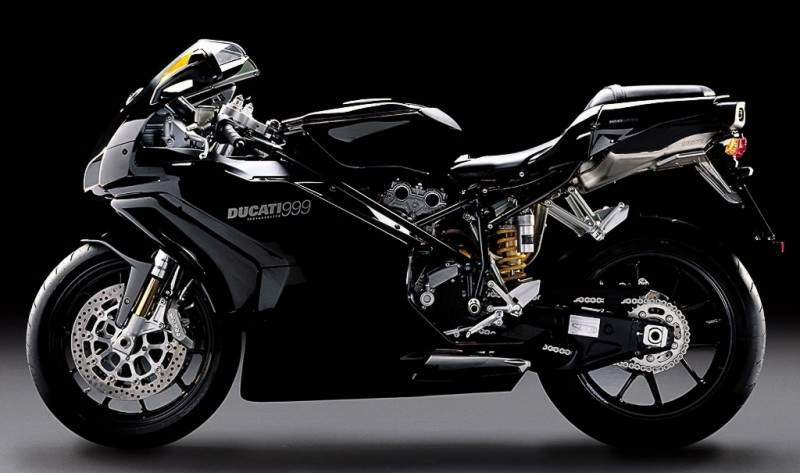
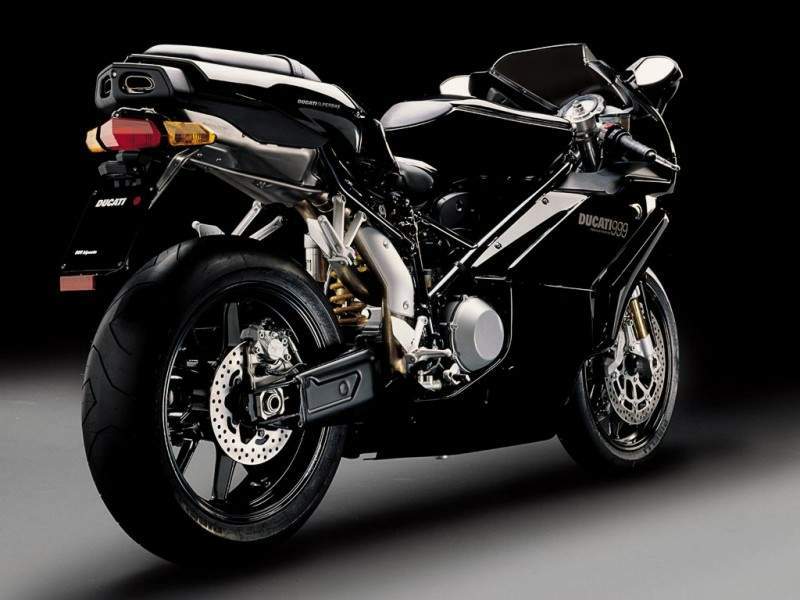
Ducati 999
Hailed by the press as the best Twin ever produced, the new
999 has proved to its riders its power to win on tracks around the world.
The innovative and cool design immediately draws attention to this dynamic
machine. The Ducati 999 seems to be in motion even when at rest. And a look under its fairing confirms the 999’s state-of-the art technology. 2005 has been an exceptional year for Ducati Superbikes, the range having been completely rEVOlutionised with a series of stylistic and functional refinements and, above all, with a general upward shift in terms of power ratings and performance in both engine displacements and all versions. The 749 and 999 machines have been made more aggressive, edging closer to the dividing line between the street bikes and the official machine used on the world's racetracks.
For the Superbikes manufactured in Borgo Panigale, 2006 will be dedicated to digesting the generational shift, which has taken place just two years from the launch of the new series, with the numerous innovations and refinements introduced in 2005. The decision to rEVOlutionise the machines was driven by the return of
Ducati to the North American AMA Superbike Championship, which has more
stringent rules than European championships with regard to modifications to
mechanical parts and chassis: the new model is a result of the efforts aimed
at creating a machine that would be race-ready straight off the production
line, with a large number of adjustments for attitude and riding position,
while also being suitable for use on the road. The result is a superbly
contemporary range that is highly sophisticated and able to meet the most
demanding sports rider with the basic equipment of the 749 and 999, and
gradually approaching the S and R versions in a series of EVOlutionary
steps. This brings us to the current state of the art, with the top of the
range position occupied by a 999R packing a massive 150 HP, proposed for
2006 also in a Xerox replica version, sporting the colours of the "official"
SBK ridden by James Toseland and Regis Laconi. There's also one final detail worthy of note: fore-aft adjustment of the
seat-tank unit on single-seater versions of the machines. These unique
features make the 749 and 999 the production machines that, of all the bikes
currently on the market, are the closest to the thoroughbred race versions. The basis of the current Superbike family, the incredible balance of this machine never fails to impress. The styling is nothing short of iconic and the 140 HP engine is at ease with any type of riding style or road conditions. This bike offers an incredibly attractive mix of features, designed to appeal to riders of all types, even those who are approaching the racetrack for the first time, offering the ability to achieve truly excellent lap times. Style All aesthetic developments start from this package, which is what happened 12 months ago with the launch of the current edition, identifiable because of the revised proportions of the upper fairing and windscreen, which are now more protective, and the elimination of the vertical air intakes that distinguished the first 999s. The current model is aesthetically very similar to the official Testastretta bikes in terms of bodywork and technical details, such as the striking box-section aluminium swingarm.
Chassis Among the most appealing elements on the machine, the box-section swingarm combined with the tubular trellis frame is one of the key features of the 999 chassis because it combines ultra lightweight with remarkable resistance to twisting and flex. Consequently, road handling is extremely precise in all riding conditions, which cover a very wide range of situations for the 999, from the racetrack to the motorway, or winding mountain roads, with a solo rider or with a passenger. The "standard" 999 features numerous ergonomic solutions, which are also found on the more sports-oriented versions. This machine features adjustments to alter the distance of levers from the handlebars, footrests with five position adjustments and a variable rake steering head, complete with a steering damper equipped with eccentric attachment system to adapt rapidly to fork angle adjustments. The sophisticated chassis of the 999 is completed by Showa suspension front and rear, with full adjustment for preload and hydraulic damping. The front fork even includes TiN slider coating for racing performance and superb handling. Powerplant The Testastretta engine of the 999 twin packs an impressive punch.
|
|
|
Any corrections or more information on these motorcycles will be kindly appreciated. |