|
|

|
|
|
|
Classic Bikes
Custom Bikes
Individual
Racing Bikes AJP
AJS
Aprilia
Ariel
Avinton / Wakan
Bajaj
Benelli
Beta
Bimota
BMW
Brough Superior
BRP Cam-Am
BSA
Buell / EBR
Bultaco
Cagiva
Campagna
CCM
CF Moto
Combat Motors
Derbi
Deus
Ducati
Excelsior
GASGAS
Ghezzi Brian
Gilera
GIMA
Harley Davidson
Hero
Highland
Honda
Horex
Husaberg
Husqvarna
Hyosung
Indian
Jawa
Kawasaki
KTM
KYMCO
Laverda
Lazareth
Magni
Maico
Mash
Matchless
Mondial
Moto Guzzi
Moto Morini
MV Agusta
MZ / MuZ
NCR
Norton
NSU
Paton
Peugeot
Piaggio
Revival Cycles
Roland Sands
Royal Enfield
Sachs
Sherco
Sunbeam
Suzuki
SWM
SYM
Triumph
TVS
Ural
Velocette
Vespa
Victory
Vincent
VOR
Voxan
Vyrus
Walt Siegl
Walz
Wrenchmonkees
Wunderlich
XTR / Radical
Yamaha
Zero
Video
Technical
Complete Manufacturer List
|
Bimota SB2
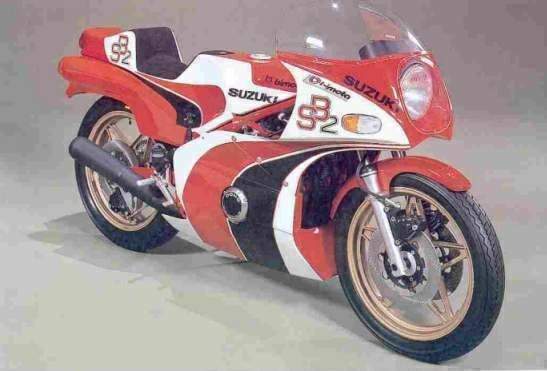
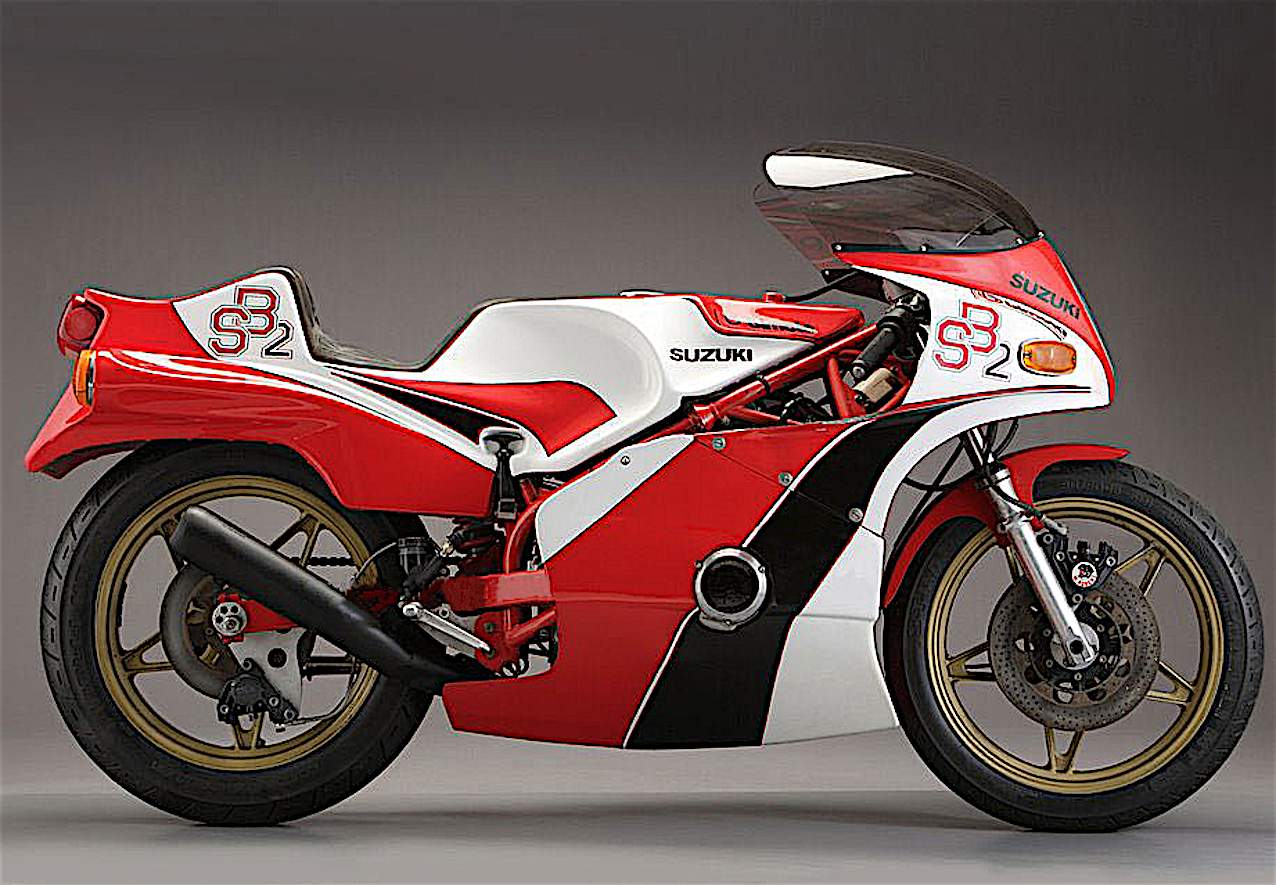
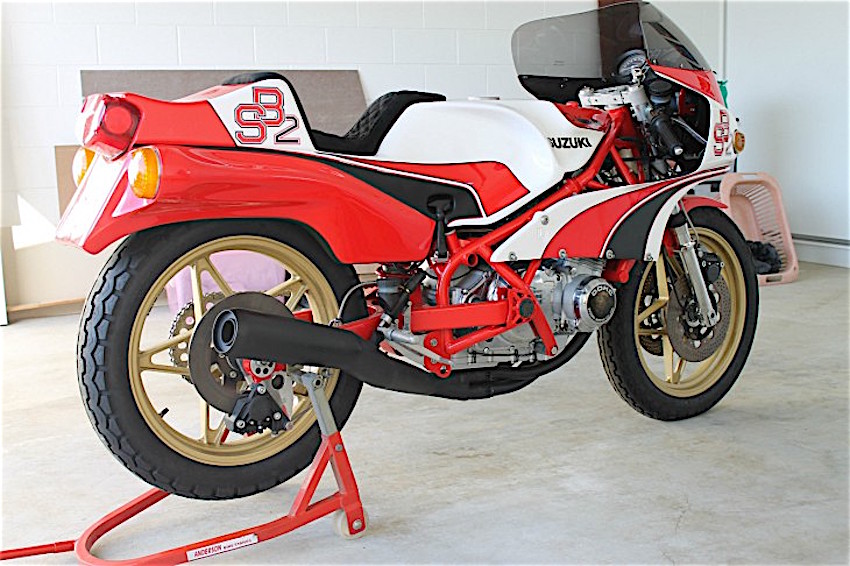
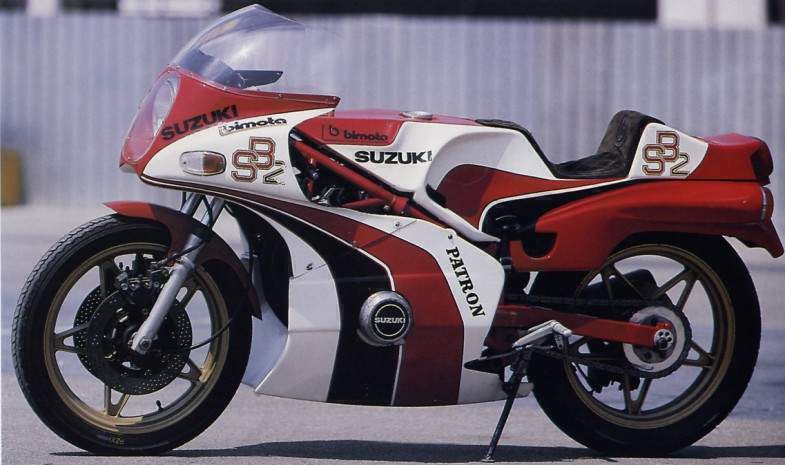
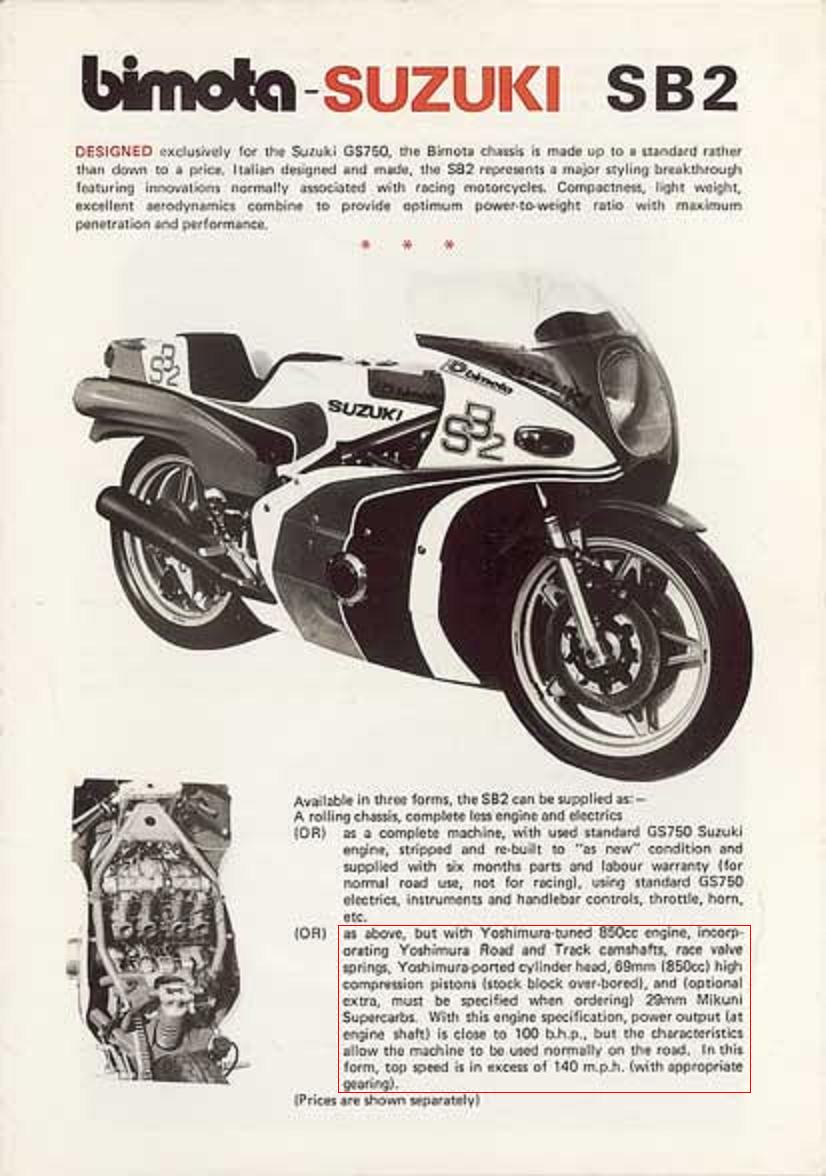
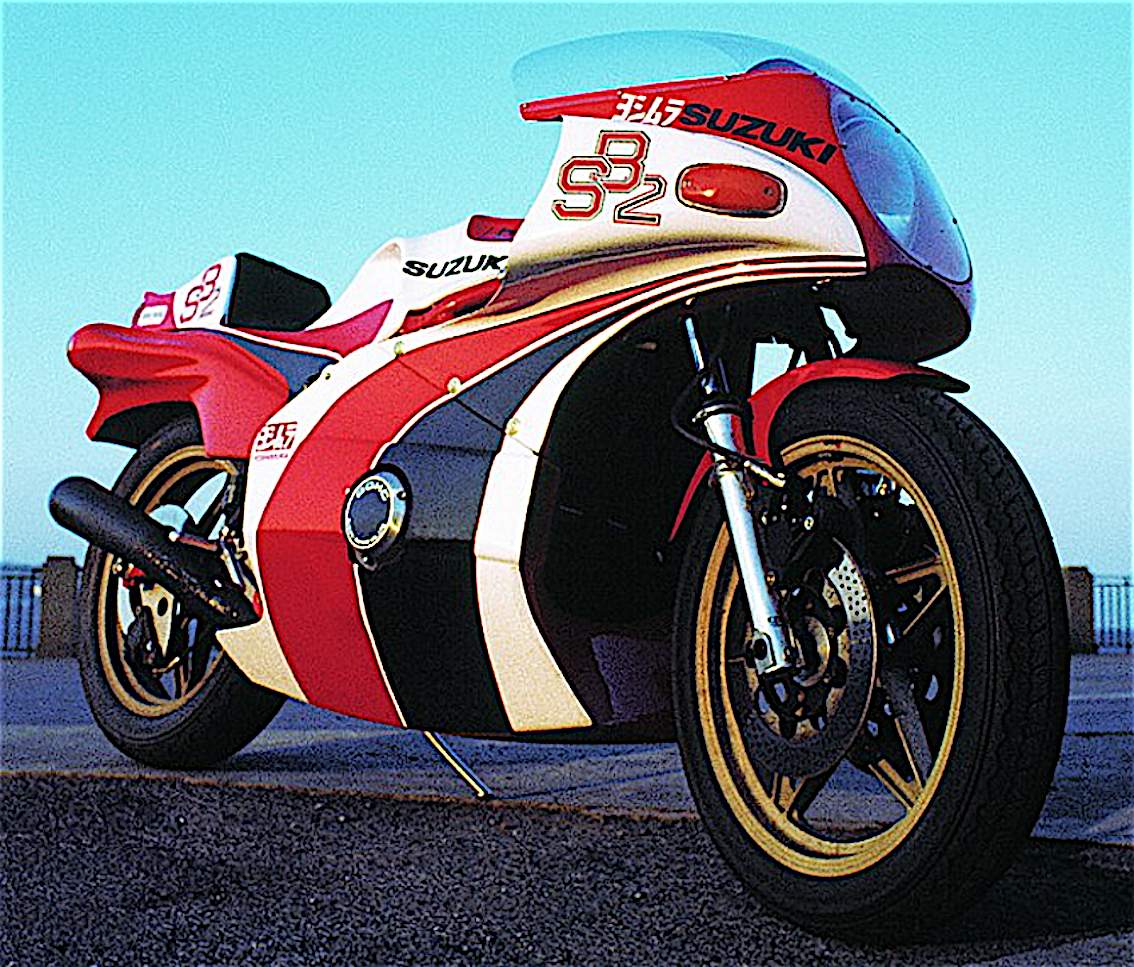
Chasing the setting sun to get the SB2 home before dark provided an excuse for a last, a fast ride—and the perfect opportunity for the Bimota to show its class. It carved through the narrow, winding lanes with great ease. Then, when the road opened out, the bike showed its pure power, pushing me back in the single seat as it stormed toward a speed of over 130 mph (209 km/h). The miles flew past and the SB2 was back with its owner, just as the sun dipped below the horizon. Such performance is nothing special by modern standards, but my reveling was very different in 1977. She is just a dream—unless you were one of the fortunate few owners of an SB2. Created with pure performance its only criterion, that Bimota was the most exotic and advanced sporting roadster of the SB2's brilliance is more easy to understand when you realize it is the first ever Bimota streetbike, was designed by none other than Massimo Tamburini, architect of the Ducati 916 and MV Agusta 750 F4. Tamburini was then the "Ta" of Bimota, the Rimini firm that he had founded in 1966 (initially to make heating and air-conditioning units) with Messrs Bianchi and Morri. The maestro's signature is plain in the SB2. The Bimota's styling is as dramatic, if less sleek, as that of the 916 and F4. And like those bikes, the SB2, powered by the four-cylinder engine from Suzuki's GS750, backs up its radical look with a beautiful and advanced chassis incorporating steel frame tubes, state-of-the-art cycle parts, and an abundance of stylish details. Chassis engineering was Bimota's specialty from its earliest motorcycling days. The first ever Bimota bike, the HB1 of 1972, was a Honda CB750-powered machine built for that year's Imola 200-mile (322 km) race. The firm provided the chassis for the Yamaha on which Johnny Cecotto won the 350cc world championship in 1975, and the Harley-Davidsons that Walter Villa rode to both 250 and 350cc titles in the following season.
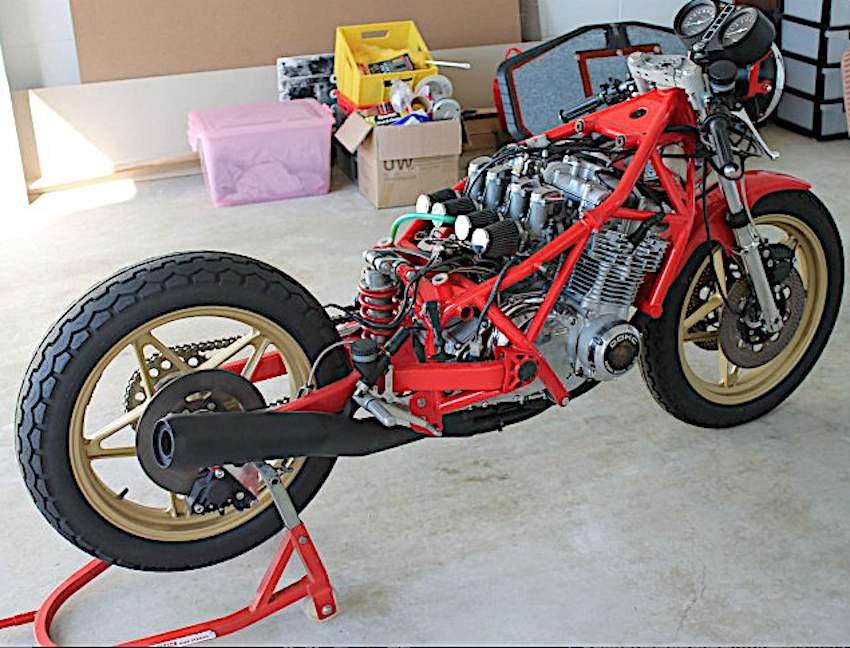
Tamburini's SB2 frame was made of chrome-molybdenum steel tubing of varying diameters. It had a heavily braced steering head area, used the engine as a stressed member, weighed just 10 kg (22 lb), and featured conical couplings that enabled the front and rear frame sections to be split, allowing rapid engine removal. Steering geometry could be adjusted by rotating eccentric bearings in the yokes. The Bimota also held its fork legs at a different angle to the steering head (28 degrees the forks, 24 the head) to reduce the change in trail under braking. Bold engineering was equally in evidence at the rear of the chassis, where the Bimota was among the first roadbikes to use a single-shock rear suspension system. The swingarm was a long, box-section steel structure that curved outward to pivot concentric with the final Final Final Final Drive sprocket, maintaining constant chain tension. Fork yokes, foot controls, and rear brake caliper carrier were machined from aircraft-grade aluminum alloy. Tamburini also spared no expense in his specification for the cycle parts, which included 35 mm Ceriani forks with internals modified by Bimota, five-spoke magnesium wheels in 18-inch diameters, drilled Brembo discs gripped by twin-piston calipers, and a De Carbon rear shock. If the Bimota's chassis was advanced, then its sculpted tank/seat unit was no less so. In the style of a modern grand prix racebike, the SB2's rear section is self-supporting, requiring no subframe. Release two rubber straps, unplug an electrical connector and the fuel pipe, and it can be lifted off, its weight giving away the fact that it's made not of carbon fiber but of fiberglass lined with aluminum. Even so, the Bimota weighed just 198 kg (436 lb) with an empty tank—almost 30 kg (66 lb) less than the standard GS750. This bike also had considerably more power, thanks to tuning modifications that were typical of the time. Unfiltered, 29 mm Mikuni carbs replaced the standard 26 mm units; the exhaust system was a free-breathing four-into-one.
The motor was bored out to 850cc and fitted with high-compression Yoshimura pistons. A gas-flowed cylinder head and Yoshimura Stage 3 camshafts helped increase rear-wheel output to a dyno-tested peak of 78 BHP at 9000 RPM, compared to about 60 BHP from the standard Suzuki. It was the SB2's chassis that made the most vivid impression, though, from the moment I threw a leg over the brown suede seat. The Bimota is compact by Seventies standards, with a short wheelbase, low clip-on bars, and high, rear-set footrests. Even with its headstock in the steeper of its two positions, the SB2 was not quick-steering by modern standards, but it flicked through a left-right sequence given only moderate pressure on the dip-ons. The response was very neutral, and the Bimota's firm, well-controlled suspension kept the bike stable as the pace got hotter. Braking from the pair of drilled front Brembos was good, too, albeit lacking the power of most modern systems. This bike wore Dunlop K391 Endurance tires, which gave plenty of grip when I began exploring the generous ground clearance that Tamburini provided by raising its engine 25 mm higher than in the standard GS750. The modified Suzuki motor provided enough punch to make life interesting on the straights, too. Power output dipped at around 5000 RPM, but once into its stride the Yoshimura-tuned engine sent the Bimota howling forward. An indicated 100 mph (160 km/h) was effortless, thanks partly to the efficient fairing. On a twisty road it was easy to keep the SB2 pulling hard by flicking through the five-speed gearbox. Sadly for enthusiasts in 1977, the Bimota's price matched its performance and exotic nature all too well. It cost as much as three standard GS750s, with the result that fewer than 70 SB2s were built. Subsequent Bimota roadsters, notably the 21000-engined KB1 released a year later, featured plainer bodywork a slightly less elaborate chassis to reduce costs. All of which only goes to make this, the first and most out rageous Bimota Sportster of all, even more special. It's doubt whether Massimo Tamburini or anyone else has ever created roadster with quite such a purposeful nature as the SB2. Review Source: Super Bikes of the Seventies by Roland Brown
|
|
|
Any corrections or more information on these motorcycles will be kindly appreciated. |