|
|
|
|
Classic Bikes
Custom Bikes
Individual
Racing Bikes AJP
AJS
Aprilia
Ariel
Avinton / Wakan
Bajaj
Benelli
Beta
Bimota
BMW
Brough Superior
BRP Cam-Am
BSA
Buell / EBR
Bullit
Bultaco
Cagiva
Campagna
CCM
CF Moto
Combat Motors
Derbi
Deus
Ducati
Excelsior
Fantic
GASGAS
Ghezzi Brian
Gilera
GIMA
Harley Davidson
Hero
Highland
Honda
Horex
Husaberg
Husqvarna
Hyosung
Indian
Jawa
Kawasaki
KTM
KYMCO
Laverda
Lazareth
Magni
Maico
Mash
Matchless
Mondial
Moto Guzzi
Moto Morini
MV Agusta
MZ / MuZ
NCR
Norton
NSU
Paton
Peugeot
Piaggio
Revival Cycles
Roland Sands
Royal Enfield
Sachs
Sherco
Sunbeam
Suzuki
SWM
SYM
Triumph
TVS
Ural
Velocette
Vespa
Victory
Vincent
VOR
Voxan
Vyrus
Walt Siegl
Walz
Wrenchmonkees
Wunderlich
XTR / Radical
Yamaha
Zero
Video
Technical
Manufacturer List Contact
|
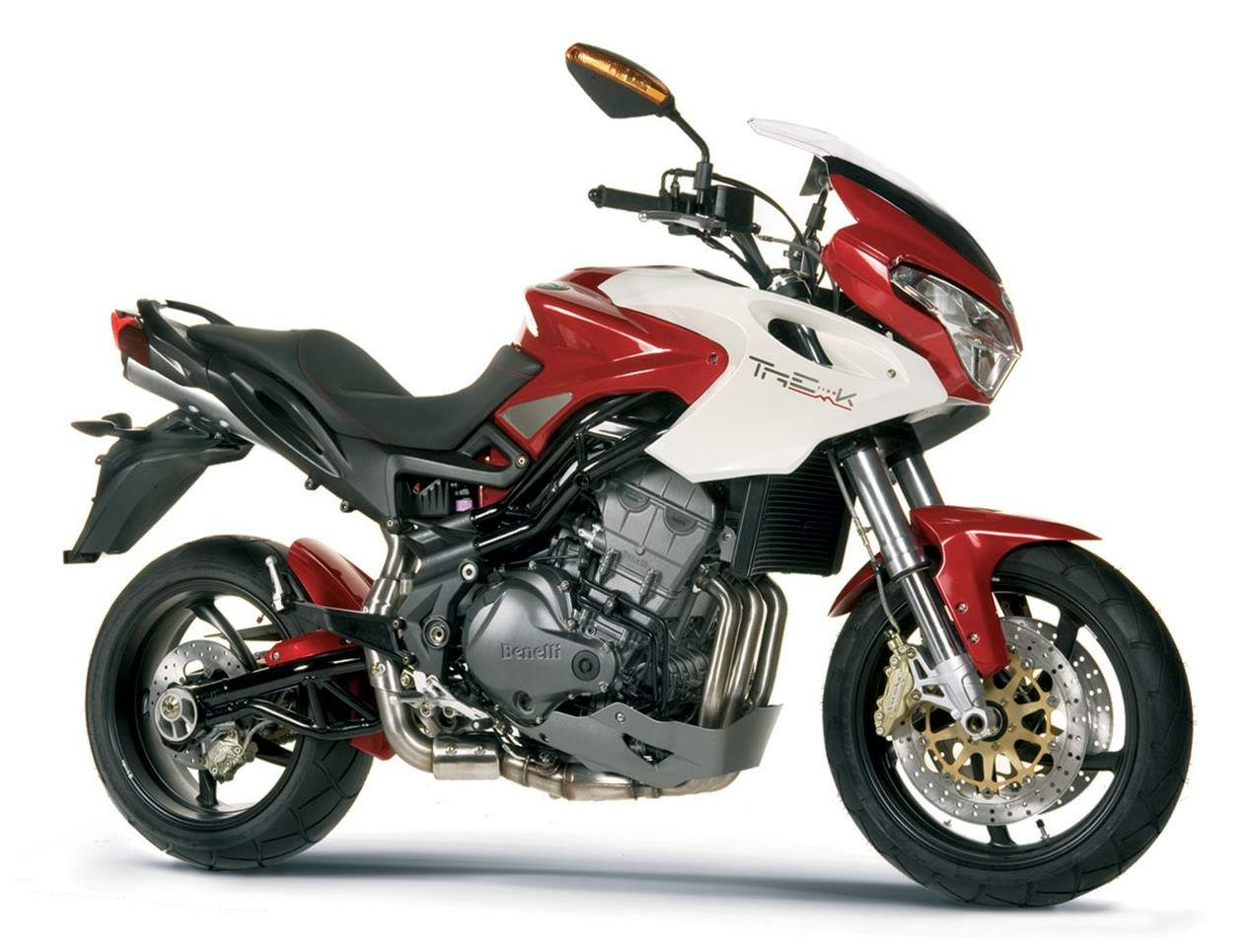
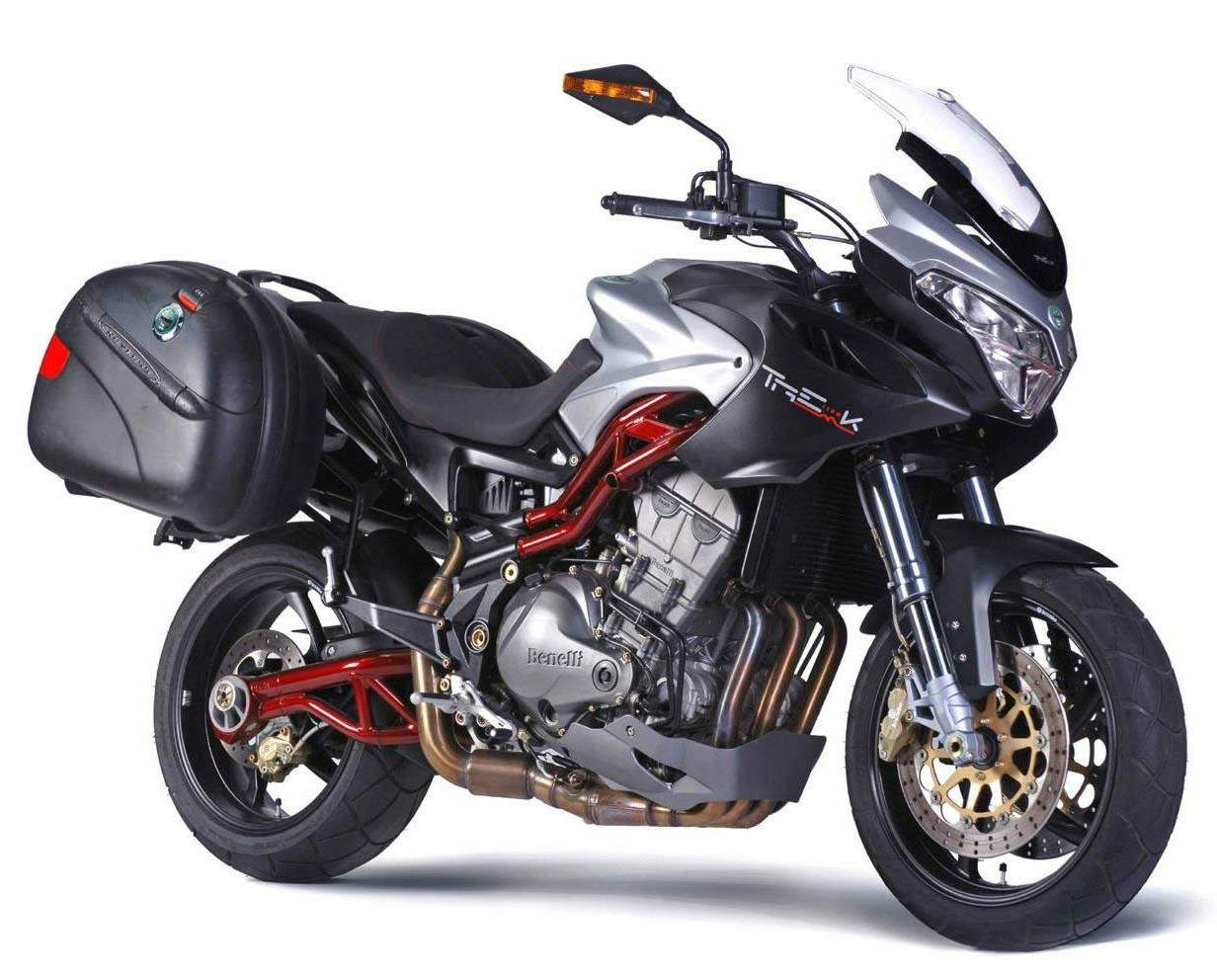
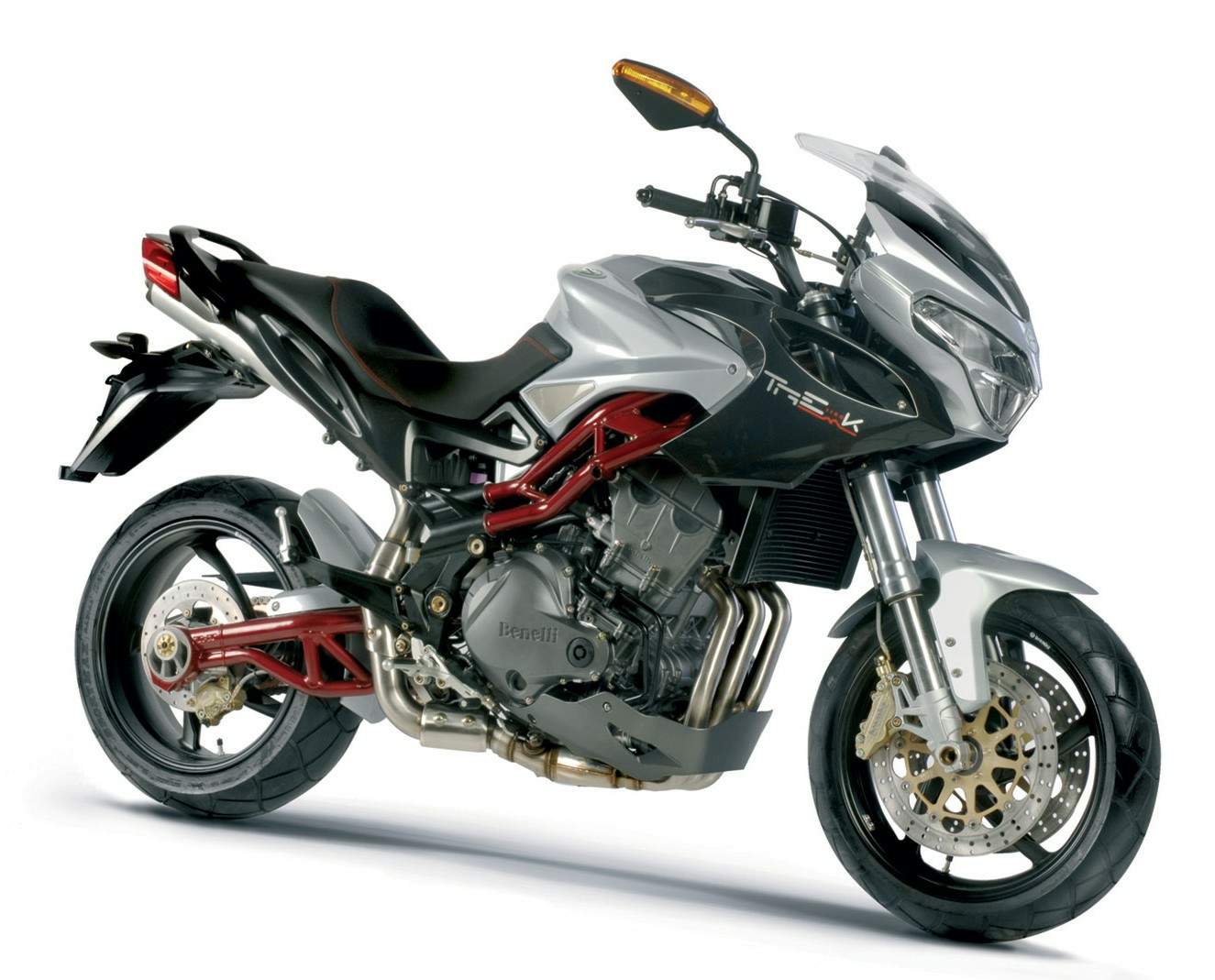
Benelli Tre-K 1130
Outside the known limits". A new bike for a new way of riding. The frame was designed for an easy ride and sensitivity to reactions, to resist every shock in any situation. The new position of the radiator allows high thermal exchanges at low speeds and for off road use too. As for the new frame, the new shape guarantees an easy ride and ride neutrality, both being unique features for a bike in this class. The rear suspension was designed to guarantee the best stability, without losing comfort or suspension reaction. The TRE K 1130 is safe to ride in any condition. When Benelli Moto was acquired by Chinese conglomerate
Zhejiang Qianjiang, Benelli already had plans to develop a full range of models
based on their mainstay three-cylinder engine. The new Chinese management gave
the bright-green light and now the range of Benelli models has grown from the
previous two—the Tornado sportbike and the naked TNT—to no less than six. A new
chassis has been developed to give life to a new generation of models, including
the TreK 1130.
Both bikes are powered by the mildest and
most flexible edition of the Benelli Triple, producing a claimed
125 hp at 9000 rpm, with 82.6 ft.-lbs. of peak torque at just
5000 rpm. There is an excellent span of revs separating peak
torque from peak power, making the motor flexible and very
appropriate for an adventure-bike like the TreK.
The engine is very impressive and motivates
the bike with ease. Solid oomph is available from as low as 2500 rpm and you can
cruise on a twisty, hillside road in fifth gear just feathering the throttle and
letting the big torquey Triple burp along. When the mood strikes, a handful of
throttle will instantly produce very impressive forward thrust. Downshifting
isn’t mandatory, but exploring the tachometer’s high-rev territory is still
rewarding.
|
|
|
Any corrections or more information on these motorcycles will be kindly appreciated. |