|
|

|
|
|
|
Classic Bikes
Custom Bikes
Individual
Racing Bikes AJP
AJS
Aprilia
Ariel
Avinton / Wakan
Bajaj
Benelli
Beta
Bimota
BMW
Brough Superior
BRP Cam-Am
BSA
Buell / EBR
Bultaco
Cagiva
Campagna
CCM
CF Moto
Combat Motors
Derbi
Deus
Ducati
Excelsior
GASGAS
Ghezzi Brian
Gilera
GIMA
Harley Davidson
Hero
Highland
Honda
Horex
Husaberg
Husqvarna
Hyosung
Indian
Jawa
Kawasaki
KTM
KYMCO
Laverda
Lazareth
Magni
Maico
Mash
Matchless
Mondial
Moto Guzzi
Moto Morini
MV Agusta
MZ / MuZ
NCR
Norton
NSU
Paton
Peugeot
Piaggio
Revival Cycles
Roland Sands
Royal Enfield
Sachs
Sherco
Sunbeam
Suzuki
SWM
SYM
Triumph
TVS
Ural
Velocette
Vespa
Victory
Vincent
VOR
Voxan
Vyrus
Walt Siegl
Walz
Wrenchmonkees
Wunderlich
XTR / Radical
Yamaha
Zero
Video
Technical
Complete Manufacturer List
|
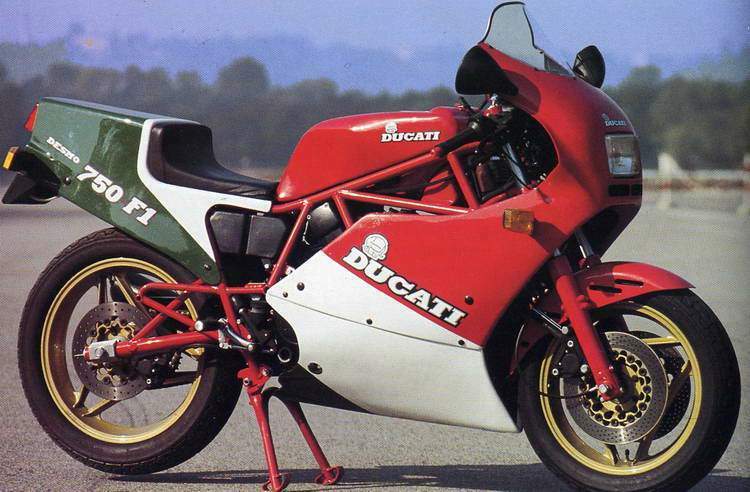
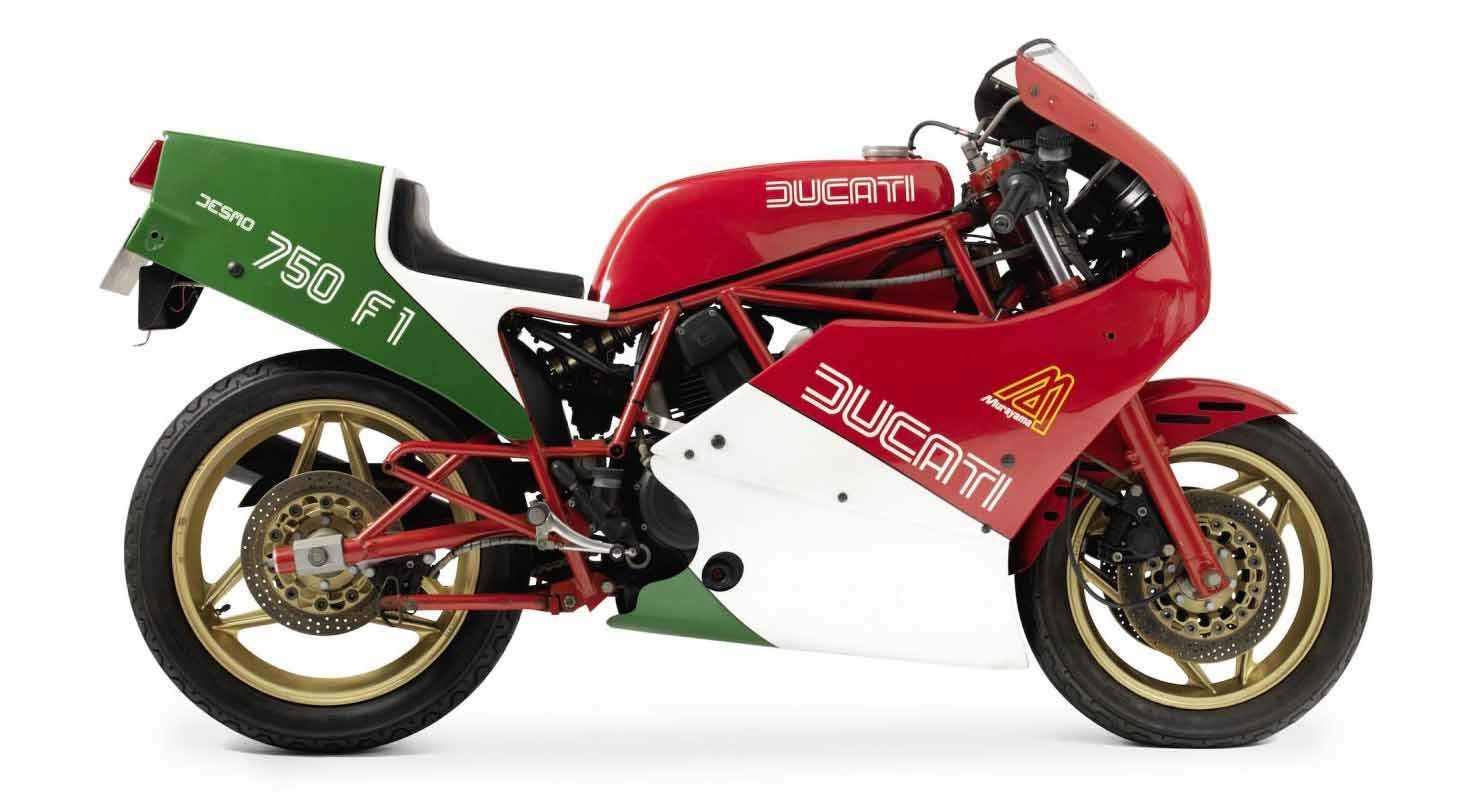
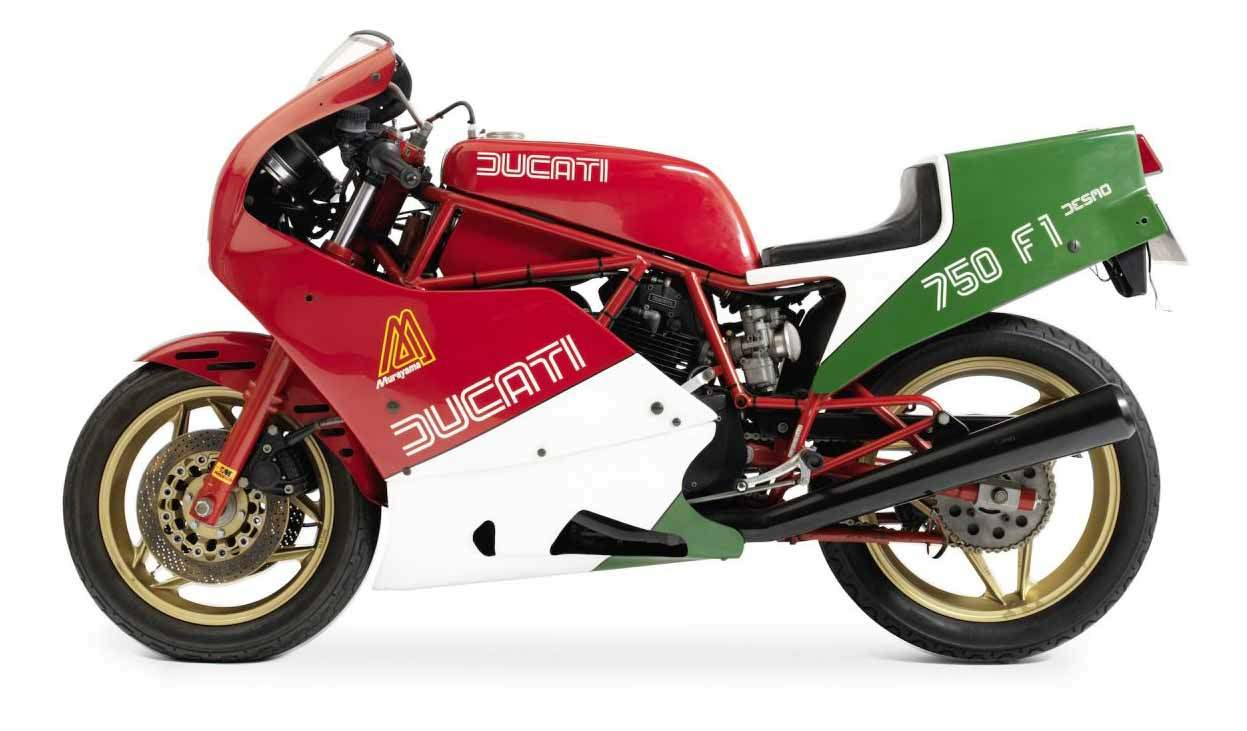
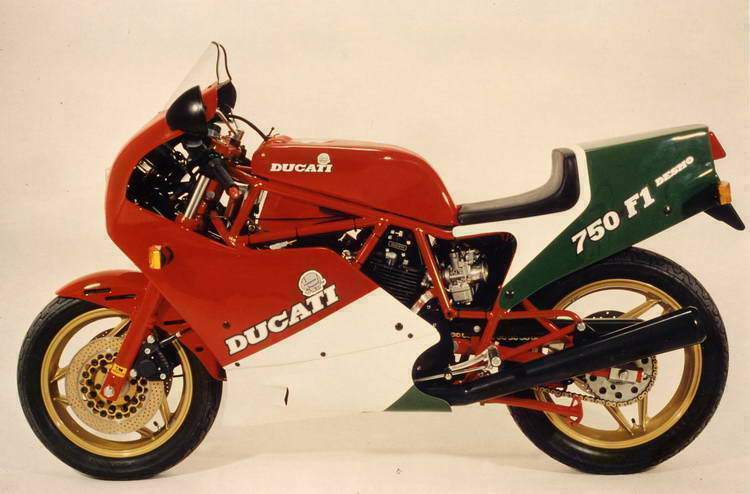
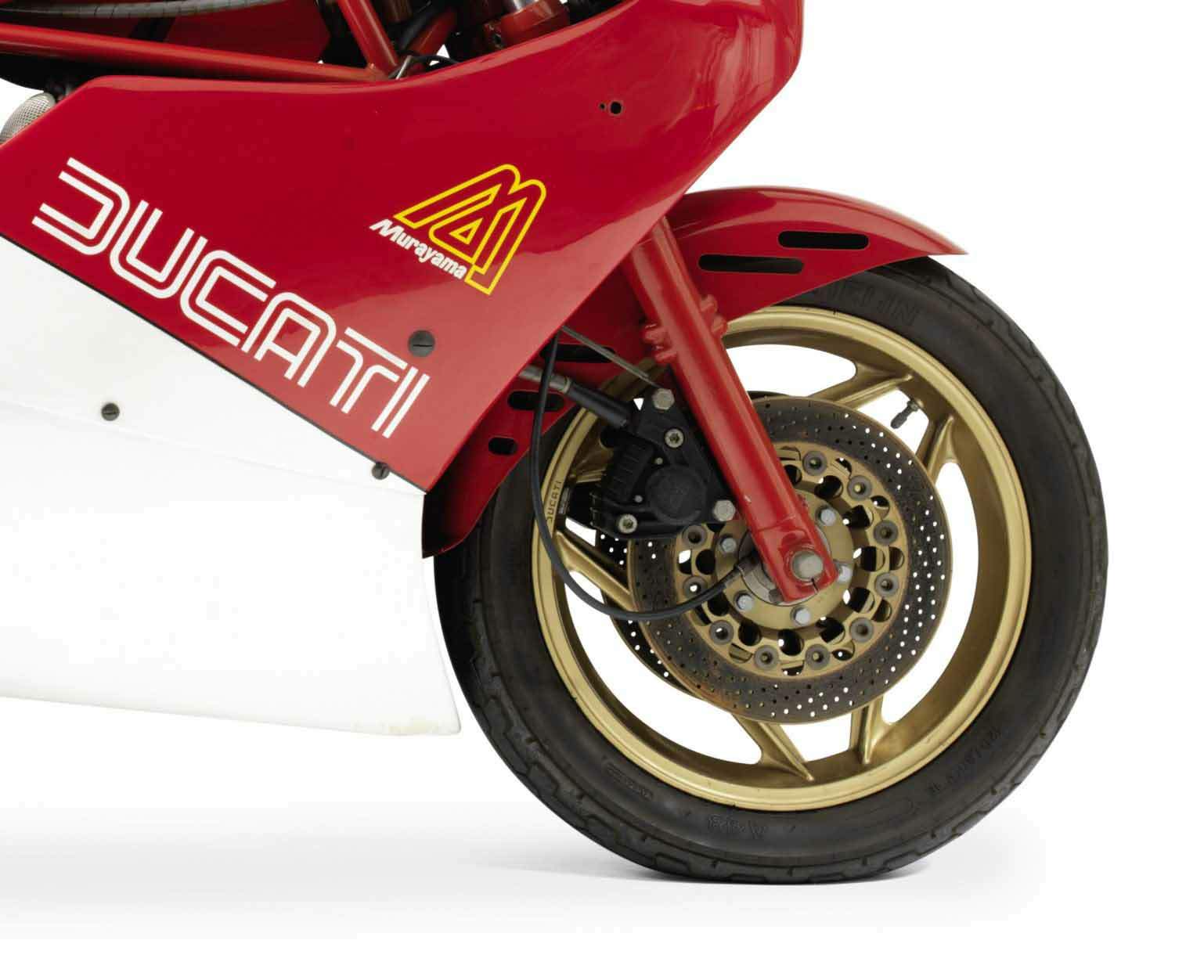
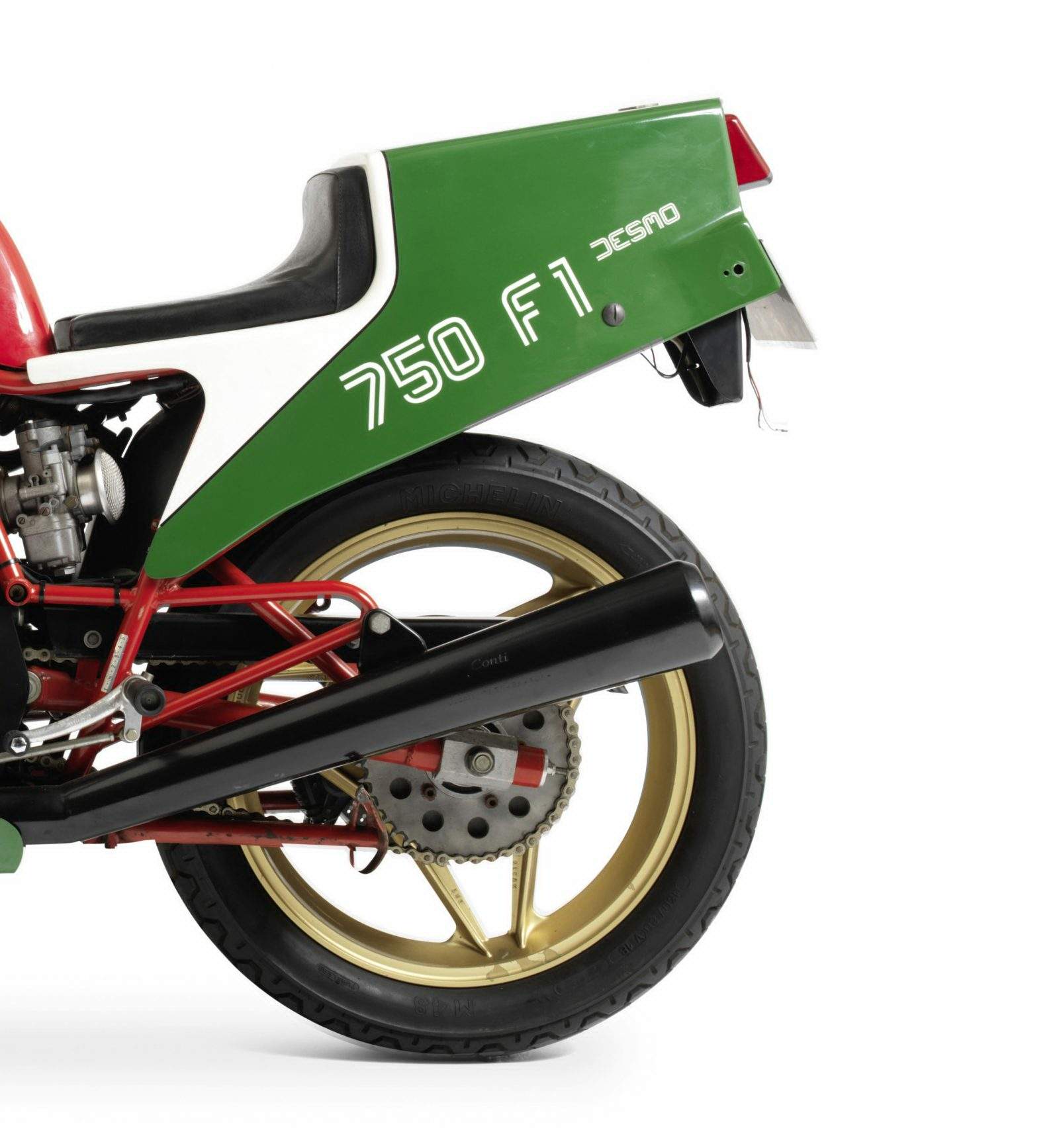
Ducati 750 F1 Desmo
The Ducati F1A and F1B were true race replicas, street-going versions of the first of the "rubber band racers," the four-time world champion 600ccTT2. The TT2 was built for the 1981 Formula 2 World Championship. With British racer Tony Rutter on board, they won not only the 1981 championship, but the 1982, 1983 and 1984 championships as well. In 1982, Fabio Taglioni, chief of design, and Franco Fame, race team boss, decided to develop concurrently a 750cc racer to compete in Formula 1. While the 750 was never as competitive in Formula 1 as its smaller stablemates had been in Formula 2, it soon proved to be the hot set for the newly formed and very popular "Battle of the Twins" class. The bikes did exceptionally well in both club races and world championship events. Before long, enthusiasts began to clamor for a road-going version of the race bikes, preferably the 750. At the same time, Ducati street bikes had lost their edge; they were no longer the sharply focused sport bikes they had once been. In fact, they were shadows of their former selves and losing more ground on the sales floor to the Japanese every day. In 1985, Ducati decided to build the machine that would ultimately put it back on top - the racer-replica F1A. Unfortunately, 1985 saw Ducati caught between a rock and a hard place. The company was having financial trouble; poor management had taken its toll. It was still in business, making engines for the fast-growing Cagiva concern. But outside of its race bikes and the new Fl, it really had nothing left. The Fl was seen by many as a final act of defiance, a dying gladiator's wave to the crowd, a last message to the motorcycle world: "Look what you'll be missing when we're gone." Fortune, however, smiled on the company, and early in 1985 Cagiva purchased what was left of Ducati. (It would actually take over in May of that year, but that's another story.) In the interim, Marco Lucchinelli rode an F1A to second place at Daytona's Battle of the Twins, beaten only by the sheer horsepower of Gene Church's 1000cc Harley-Davidson, the famed "Lucifer's Hammer. (In 1986, on an 850 version, he would win it outright.)
The American "Baltic of the twins" series soon became a Ducati benefit. Racetrack successes sold bikes. Wins at Laguna Seca (California), the Barcelona 24-hour and the opening round of Formula 1 (in Italy) all helped renew interest in the marque. In 1986, the FIB was released, which was essentially the same as the A model. For those who wanted something a bit more exotic - and 25 percent more expensive - Ducati offered a series of hand-built limited-production versions of the F series. These bikes - the Montjuich (1986), the Laguna Seca (1987) and the Santa Monica (1988) - had about 10 mph over a standard F (137 mph vs. 127 mph) and were intended solely for the track (although many were set up for the street). In 1987, the 750 Paso was released. Based on the F1's engine, the Paso was a bit more mainstream than the tacer-teplica Fl series. It was also a great seller, especially by Ducati standards. As the profits flowed in, new and innovative designs were produced, culminating in outstanding motorcycles such as the 851 Sport (1991), the 900 Superlight (1993) and the 916. The F series, intended as a "going-away present," revitalized an on-the-ropes Ducati, and that may well be its greatest contribution to motorcycling.
|
|
|
Any corrections or more information on these motorcycles will be kindly appreciated. |